


Quick Summary: Retail Interest Moderate as NSE Prepares for BSE Listing
- NSE stock is expected to debut with a modest 2.5% to 4.5% premium — analysts see it as a long-term investment.
- The IPO is priced between Rs 1,700 to Rs 1,785 — a strategic move to attract institutional investors.
- NSE holds a dominant 93.05% share in India’s cash market — reinforcing its market strength.
- The IPO’s retail portion was subscribed 1.33 to 1.35 times — indicating moderate retail interest.
- Major firms like Goldman and Fidelity plan to invest — showing confidence despite valuation concerns.
Source: Open external resource
Source: Read original article
The much-anticipated NSE stock debut is finally here, but it’s not the explosive start many had hoped for. With a predicted premium of only 2.5% to 4.5%, the excitement has cooled. Yet, analysts are urging investors to look beyond the initial buzz and consider the stock’s long-term potential.
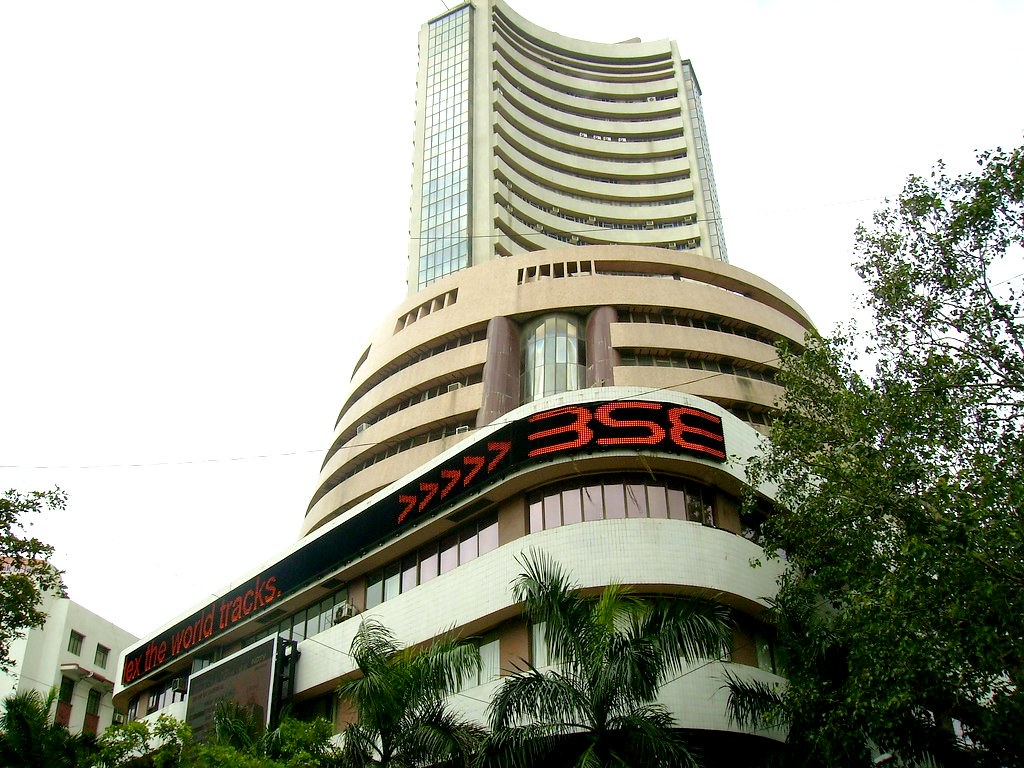
The IPO’s pricing strategy, set between Rs 1,700 to Rs 1,785, was a deliberate choice to make it more appealing to institutional buyers. This move, however, has created a rift between public-market investors and those who invested in the unlisted market at higher prices. The tension is palpable as the stock prepares to list on the BSE, not its own exchange, due to regulatory restrictions.
NSE’s market dominance is undeniable, holding a 93.05% share in India’s cash market and commanding nearly total control in other sectors. This strength is why heavyweight investors like Goldman and Fidelity are keen on the IPO, despite the subdued listing expectations. The real question is whether the stock can prove its worth as a long-term investment, beyond the initial modest gains.
The NSE stock’s journey to listing has been a decade in the making, and its performance will be a litmus test for investor sentiment. Will the market reward its operational strength, or will it falter under the weight of lofty expectations? The opening trade will set the tone, but the focus will soon shift to the company’s ability to sustain its market dominance and justify its valuation.
48 percent in equity options, and 100 percent in exchange-traded currency futures and options for the three months ended June 2026. Moneycontrol reported on September 8 that NSE was likely to price its IPO at Rs 1,700 to Rs 1,785 per share, below an earlier marketed range of Rs 2,000 to Rs 2,100.
This dominance is why firms including Goldman, Templeton and Fidelity were reported by Moneycontrol on September 15 to be planning purchases in the IPO despite the valuation debate. Economic Times said many such investors may now face losses if the stock lists near the offer price, a striking reversal for a stock that had become a prestige pre-IPO trade.
5 percent premium at listing even as analysts still pitch the stock as a longer-term bet on the country’s capital-markets boom. That lower-than-expected pricing is now central to the story: it helped make the deal more digestible for institutional buyers, but it also exposed a tension between public-market investors and those who bought shares in the unlisted market at richer prices.
Indian Express, in a report published about two weeks ago, similarly described NSE as commanding around 93 percent of cash market turnover, nearly the entirety of futures premium, and roughly 75 percent of options premium. 35 times, suggesting that “3 in 4 retail applicants” were likely to receive allotment.
The issue is still large by any measure: PTI, cited by Moneycontrol, had pegged the offer at nearly Rs 30,000 crore, making it one of the biggest public issues of the year. What happens next is immediate and concrete: NSE is scheduled to list on September 24 on the BSE, not on its own exchange, because Indian regulations bar an exchange from listing on itself.
05% share in India’s cash market and commanding nearly total control in other sectors. 48 percent in equity options, and 100 percent in exchange-traded currency futures and options for the three months ended June 2026.
5% premium — analysts see it as a long-term investment. 05% share in India’s cash market — reinforcing its market strength.
This dominance is why firms including Goldman, Templeton and Fidelity were reported by Moneycontrol on September 15 to be planning purchases in the IPO despite the valuation debate. This move, however, has created a rift between public-market investors and those who invested in the unlisted market at higher prices.
The IPO is priced between Rs 1,700 to Rs 1,785 — a strategic move to attract institutional investors. The IPO’s pricing strategy, set between Rs 1,700 to Rs 1,785, was a deliberate choice to make it more appealing to institutional buyers.
That lower-than-expected pricing is now central to the story: it helped make the deal more digestible for institutional buyers, but it also exposed a tension between public-market investors and those who bought shares in the unlisted market at richer prices. Indian Express, in a report published about two weeks ago, similarly described NSE as commanding around 93 percent of cash market turnover, nearly the entirety of futures premium, and roughly 75 percent of options premium.
The scale and speed of this development has caught many observers off guard. Each new update adds another dimension to a story that is still unfolding, and the full picture will only become clear as more verified details emerge from the people and institutions directly involved.
Analysts who have tracked this issue closely say the current moment represents a genuine turning point. The decisions made in the coming weeks are expected to set the direction for months ahead, with ripple effects likely to extend well beyond the immediate actors in the story.
For those directly affected, the practical impact is already visible. People navigating this fast-changing situation are dealing with real consequences while new information continues to reshape what is known and what remains open to interpretation.
Historical parallels offer some context, though experts caution against drawing too close a comparison. Similar situations have played out before, but the specific combination of pressures, personalities, and timing here makes this moment distinct in ways that matter for how it ultimately resolves.
The political and economic dimensions of this story are deeply intertwined. What appears as a single event on the surface is in practice the convergence of multiple pressures that have been building quietly over a longer period than most public reporting has captured.