


Quick Summary: Government Faces Opposition Scrutiny Over Operation Sindoor in Upcoming Session
- The central debate is whether the government can control the framing of Operation Sindoor during the Monsoon Session or if the opposition can force uncomfortable questions.
- India Today’s July 24 school-assembly roundup highlights a planned 16-hour parliamentary discussion on Operation Sindoor, marking a political confrontation.
- The scheduled 16-hour discussion in Parliament shifts the focus from policy to accountability and political narrative.
- The article is a “10 important headlines” package, emphasizing issues editors believe students should hear first thing in the morning.
- The July 29 debate could redefine the political meaning of Operation Sindoor and shape the Monsoon Session’s tone.
Source: Open external resource
Source: Read original article
The July 24 school assembly news headlines are more than just a daily briefing; they represent a critical snapshot of India’s political landscape. A standout feature is the planned 16-hour parliamentary discussion on Operation Sindoor during the Monsoon Session, scheduled for July 29.
This development is significant as it transitions the debate from mere policy discussions to a broader battle of accountability and political narrative. The government and opposition are poised for a showdown, with the opposition likely to use this platform to raise uncomfortable questions.
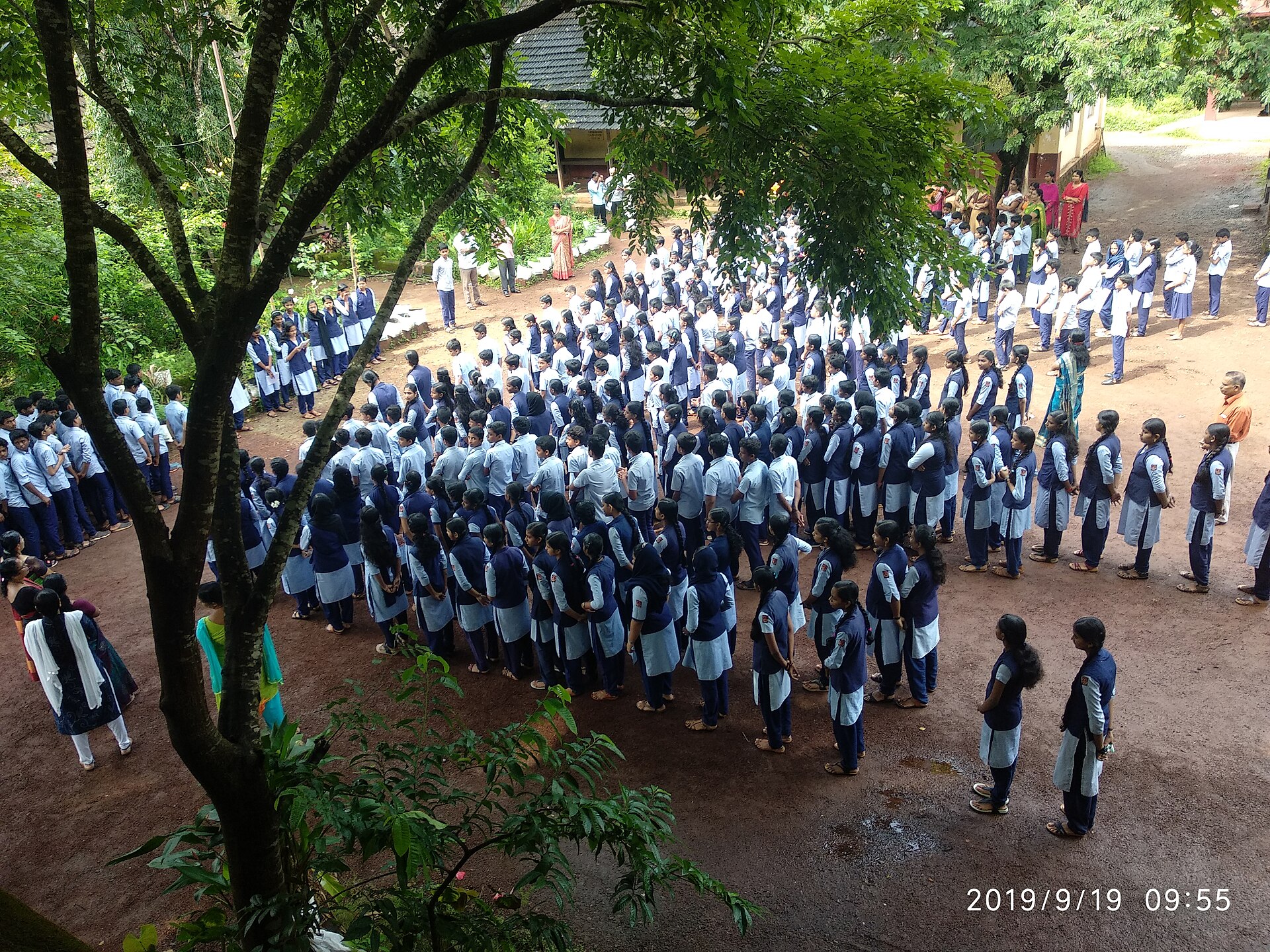
India Today structured the article as a “10 important headlines” package, spanning national, international, and sports developments, curated for students preparing for morning assemblies. This format underscores the editors’ intent to highlight what they deem most consequential for young audiences.
The upcoming July 29 debate promises to be a pivotal moment, potentially redefining the political significance of Operation Sindoor and setting the tone for the entire Monsoon Session. The 16-hour allocation is a clear indicator of the issue’s escalating importance.
The clearest news peg in the latest India Today item, published on July 23, 2025 for use in assemblies on July 24, is that the government had allotted 16 hours in both Houses for debate on Operation Sindoor beginning July 29, turning what might have been a routine student news digest into a marker of a coming parliamentary confrontation. The piece was curated by Yash Wardhan Singh and dated July 23, 2025, for presentation on July 24, 2025.
What is visible is enough to establish the immediate timeline: the roundup was posted on July 23, 2025; students were expected to use it on July 24; and the next major milestone identified in the report was July 29, when Parliament was set to take up the 16-hour discussion on Operation Sindoor. The central debate, as reflected in the headline selection itself, is whether the government can control the framing of Operation Sindoor during the Monsoon Session or whether the opposition can use the discussion on July 29 to force uncomfortable questions into the open.
That timing matters because the article identifies the discussion as “likely” next Tuesday, placing a concrete decision point just days after the July 24 assembly brief. India Today’s July 24 school-assembly roundup is less a single scoop than a tightly packed snapshot of India’s political agenda, with the standout development being Parliament’s plan to devote 16 hours next Tuesday to a special discussion on Operation Sindoor during the Monsoon Session.
What makes that development important is the implied conflict: once a subject is scheduled for a 16-hour discussion in Parliament, the fight is no longer just about policy substance but about accountability, floor management, and political narrative. The article is structured as a “10 important headlines” package spanning national, international, and sports developments, and that format is itself revealing: India Today was not elevating a single breaking scandal so much as curating the issues editors believed students should hear first thing in the morning.
A notable twist is that despite the broad promise of “top national, sports and world news,” the most specific hard number surfaced in the currently indexed reporting is not a score or market figure but the 16-hour parliamentary allocation itself. So the real “what happens next” from this piece is not a mystery but a scheduled collision: lawmakers were heading toward a lengthy July 29 debate that could redefine the political meaning of Operation Sindoor and shape the tone of the Monsoon Session.
The central debate, as reflected in the headline selection itself, is whether the government can control the framing of Operation Sindoor during the Monsoon Session or whether the opposition can use the discussion on July 29 to force uncomfortable questions into the open. The government and opposition are poised for a showdown, with the opposition likely to use this platform to raise uncomfortable questions.
The scheduled 16-hour discussion in Parliament shifts the focus from policy to accountability and political narrative. The article is a “10 important headlines” package, emphasizing issues editors believe students should hear first thing in the morning.
A standout feature is the planned 16-hour parliamentary discussion on Operation Sindoor during the Monsoon Session, scheduled for July 29. India Today structured the article as a “10 important headlines” package, spanning national, international, and sports developments, curated for students preparing for morning assemblies.
The 16-hour allocation is a clear indicator of the issue’s escalating importance. India Today’s July 24 school-assembly roundup is less a single scoop than a tightly packed snapshot of India’s political agenda, with the standout development being Parliament’s plan to devote 16 hours next Tuesday to a special discussion on Operation Sindoor during the Monsoon Session.
The scale and speed of this development has caught many observers off guard. Each new update adds another dimension to a story that is still unfolding, and the full picture will only become clear as more verified details emerge from the people and institutions directly involved.
Analysts who have tracked this issue closely say the current moment represents a genuine turning point. The decisions made in the coming weeks are expected to set the direction for months ahead, with ripple effects likely to extend well beyond the immediate actors in the story.
For those directly affected, the practical impact is already visible. People navigating this fast-changing situation are dealing with real consequences while new information continues to reshape what is known and what remains open to interpretation.
Historical parallels offer some context, though experts caution against drawing too close a comparison. Similar situations have played out before, but the specific combination of pressures, personalities, and timing here makes this moment distinct in ways that matter for how it ultimately resolves.
The political and economic dimensions of this story are deeply intertwined. What appears as a single event on the surface is in practice the convergence of multiple pressures that have been building quietly over a longer period than most public reporting has captured.