

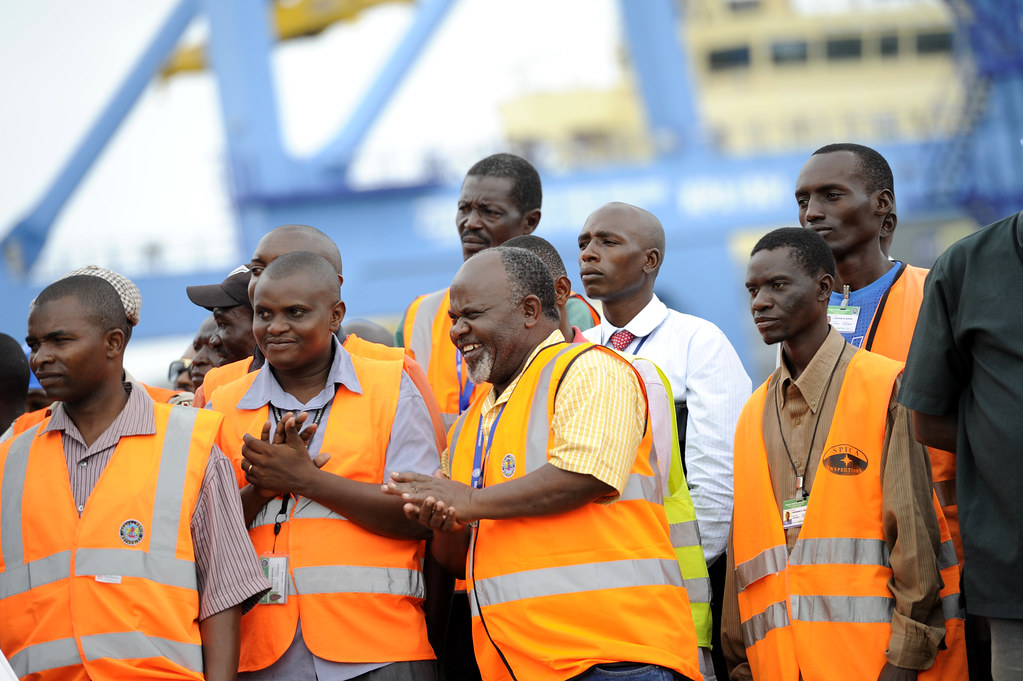

Quick Summary: Kenya Ports Authority Targets Global Markets With New Management Program
- The Kenya Ports Authority launched a UN-backed management training program on October 13, 2026, to enhance competitiveness.
- KPA aims to train 46 senior managers, with 8 already participating, to improve logistics and handle rising cargo volumes.
- Transport Principal Secretary Mohamed Daghar emphasized the need for integrated trade gateways, not just ship-handling facilities.
- The program covers international trade, port operations, and environmental sustainability to prepare managers for complex logistics.
- KPA seeks to position itself as a regional maritime training hub, expanding beyond East Africa to global markets.
Source: Open external resource
Source: Read original article
Kenya Ports Authority (KPA) has embarked on an ambitious journey to redefine itself as a global player in port management. The launch of a UN-backed management training program on October 13, 2026, marks a pivotal moment in this effort. With the goal of enhancing competitiveness, KPA has already enrolled eight senior managers, with 38 more set to follow, in a comprehensive training initiative designed to tackle the challenges of modern logistics.
Transport Principal Secretary Mohamed Daghar has made it clear that ports can no longer function as mere ship-handling facilities. Instead, they must evolve into integrated trade gateways that seamlessly connect shipping, rail, roads, customs, and industrial zones. His message is blunt: infrastructure alone won’t suffice. The real test lies in the management’s ability to handle disruptions and digitization effectively.
This training program is not just a symbolic gesture; it is a strategic move to build a robust management team capable of influencing planning, customer service, and decision-making across multiple facilities. The curriculum is broad, covering international trade, port operations, commercial and financial management, performance measurement, environmental sustainability, and human resource development. As cargo volumes continue to rise, the pressure to make faster decisions and ensure better coordination is mounting.
KPA’s vision extends beyond defending existing cargo flows. The aim is to reposition itself for a wider commercial footprint, targeting international markets in Asia and Latin America. This ambitious goal reflects the shifting dynamics of global trade routes, driven by supply-chain disruptions and port digitization. The stakes are high, and the success of this program will be measured by tangible outcomes—improved cargo clearance, enhanced customer service, and increased appeal to international clients.
The urgency is palpable. Kenya has the infrastructure, the workforce, and the ambition. Now, the challenge is to deliver management performance that matches these resources. The world is watching, and KPA’s ability to transform its training efforts into real-world competitive advantages will determine its future standing in the global port landscape.
Kenya Ports Authority chief executive William Ruto said eight senior managers have already passed through various stages of the programme, while another 38 participants are expected to undergo training and then cascade that knowledge across the organisation. The report was published on October 13, 2026, and presents the programme launch itself as the week’s defining event.
The latest reporting, published Tuesday, October 13, 2026, frames the programme as a direct response to intensifying competition for regional cargo and to what Kenyan officials describe as increasingly complex global logistics chains. Within that same reporting window, KPA confirmed that eight managers are already in the system and 38 more are queued for participation, indicating that implementation is already underway rather than pending approval.
Kenya’s most newsworthy new detail is that the Kenya Ports Authority has moved beyond talk of “world-class” ambitions and begun a UN-backed management push that already includes eight senior managers, with 38 more set to follow, as officials warn that infrastructure spending alone will not keep Mombasa competitive. At the launch of the United Nations Conference on Trade and Development’s TrainForTrade Modern Port Management Programme, Transport Principal Secretary Mohamed Daghar said modern ports can no longer function as simple ship-handling facilities and instead must operate as “integrated trade gateways” linking shipping, rail, roads, customs and industrial zones.
His bluntest line captured the urgency of the moment: “Trade agreements and policies by themselves are not enough to transport physical products,” a warning that policy wins like the African Continental Free Trade Area will mean little without faster cargo movement and stronger port management. KPA board chairman Ahmed Muktar said employee development is essential if investments in “infrastructure, equipment and technology” are to produce results, effectively acknowledging that capital expenditure without organisational capability is wasted.
Assaf said Kenya should use its current capacity to attract international business and expand beyond regional markets into Asia and Latin America, a much more ambitious framing than the usual Mombasa-versus-neighbouring-ports narrative. UNCTAD human resource development chief Mark Assaf added the international perspective, saying Kenya already has the workforce and port infrastructure to support more growth, but staff must keep pace with industry change, especially digital transformation.
ke The Kenya Ports Authority launched a UN-backed management training program on October 13, 2026, to enhance competitiveness. The launch of a UN-backed management training program on October 13, 2026, marks a pivotal moment in this effort.
The report was published on October 13, 2026, and presents the programme launch itself as the week’s defining event. The latest reporting, published Tuesday, October 13, 2026, frames the programme as a direct response to intensifying competition for regional cargo and to what Kenyan officials describe as increasingly complex global logistics chains.
Within that same reporting window, KPA confirmed that eight managers are already in the system and 38 more are queued for participation, indicating that implementation is already underway rather than pending approval. Kenya’s most newsworthy new detail is that the Kenya Ports Authority has moved beyond talk of “world-class” ambitions and begun a UN-backed management push that already includes eight senior managers, with 38 more set to follow, as officials warn that infrastructure spending alone will not keep Mombasa competitive.
KPA aims to train 46 senior managers, with 8 already participating, to improve logistics and handle rising cargo volumes. With the goal of enhancing competitiveness, KPA has already enrolled eight senior managers, with 38 more set to follow, in a comprehensive training initiative designed to tackle the challenges of modern logistics.
The scale and speed of this development has caught many observers off guard. Each new update adds another dimension to a story that is still unfolding, and the full picture will only become clear as more verified details emerge from the people and institutions directly involved.
Analysts who have tracked this issue closely say the current moment represents a genuine turning point. The decisions made in the coming weeks are expected to set the direction for months ahead, with ripple effects likely to extend well beyond the immediate actors in the story.
For those directly affected, the practical impact is already visible. People navigating this fast-changing situation are dealing with real consequences while new information continues to reshape what is known and what remains open to interpretation.
Historical parallels offer some context, though experts caution against drawing too close a comparison. Similar situations have played out before, but the specific combination of pressures, personalities, and timing here makes this moment distinct in ways that matter for how it ultimately resolves.
The political and economic dimensions of this story are deeply intertwined. What appears as a single event on the surface is in practice the convergence of multiple pressures that have been building quietly over a longer period than most public reporting has captured.