

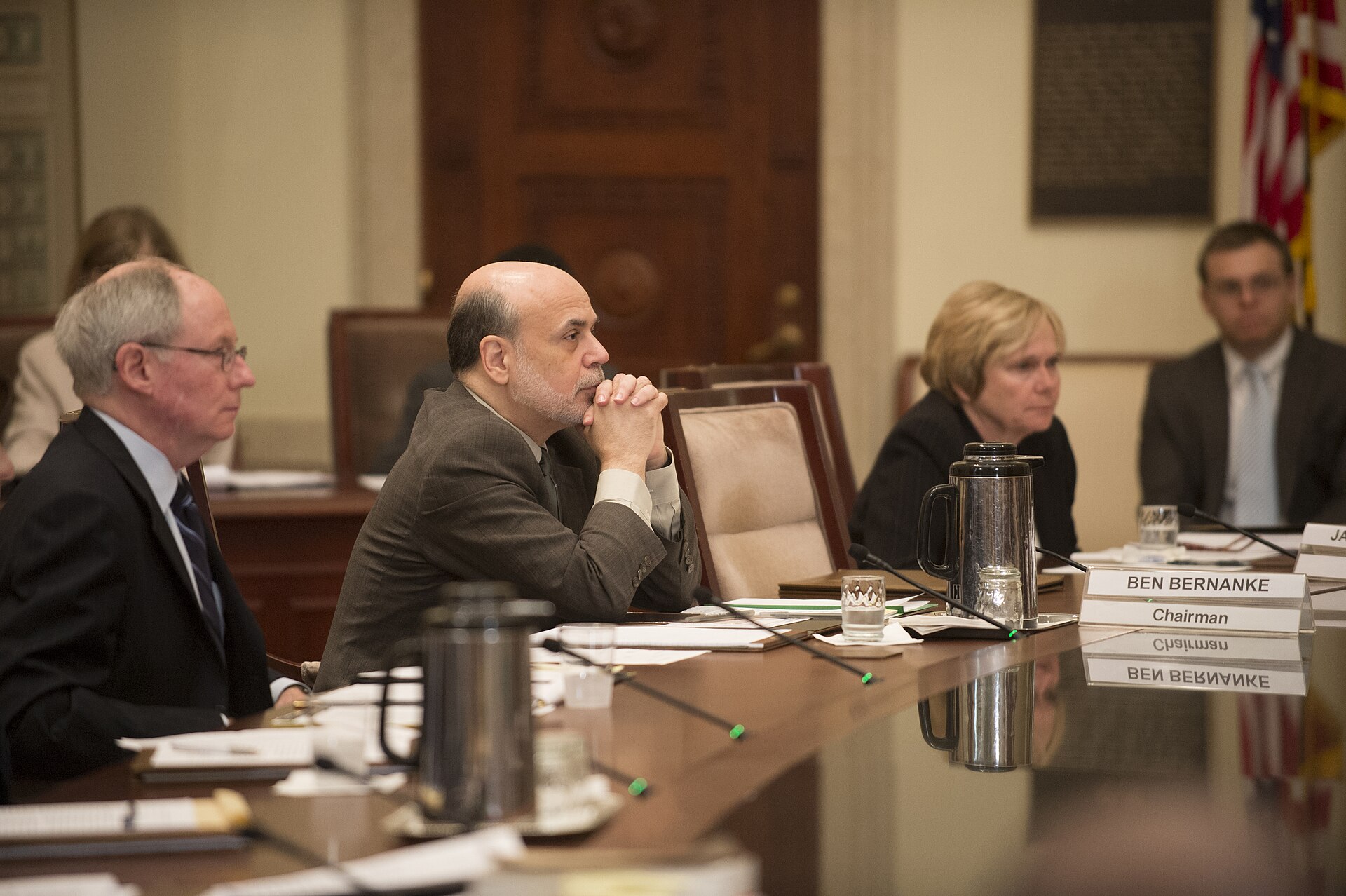

Quick Summary: Fed Signals No Immediate Rate Change Despite Rising Inflation Concerns
- The Federal Reserve is expected to hold rates steady — analysts had anticipated a 25-basis-point increase.
- Market-implied probability of a rate hold has surged to 88% — a significant change from 29% a month ago.
- Investors now focus on a potential December rate hike — a 71% probability is assigned to this scenario.
- Fed officials have signaled no urgency for immediate rate changes — despite recent inflation increases.
- The Fed’s decision and statements will be closely analyzed — markets seek clarity on future rate paths.
Source: Open external resource
Source: Read original article
As the Federal Reserve gears up for its October 27-28 meeting, the financial world is on edge. Once bracing for an immediate rate increase, investors have dialed back their expectations. The anticipation now hinges on whether the Fed will hold steady, despite inflation running hotter than expected.
Recent market reports reveal a dramatic shift in sentiment. Just a month ago, the probability of the Fed holding rates was a mere 29%. Today, it’s a striking 88%. This reversal highlights the impact of Fed officials’ public statements, which have downplayed the need for an October rate hike.
The focus now shifts to December, with a 71% probability of a rate increase. Investors are keenly watching Fed Chair Kevin Warsh and other officials for signals. The Fed’s language in its upcoming statement could significantly influence market expectations.
Contextually, the Fed’s decision comes amidst a backdrop of rising inflation concerns. Yet, the absence of a November meeting places added weight on the October decision. The challenge for the Fed is maintaining credibility while potentially delaying action.
Ultimately, the Fed’s ability to communicate its strategy will be crucial. A pause in October doesn’t necessarily signal a pivot, but the markets will be parsing every word for clues about the future.
00% target range, according to multiple previews this week, and some analysts had expected another 25-basis-point move at this meeting. Kiplinger reported that just one month ago the market-implied probability of a hold this week was only 29%, versus 88% now, a striking reversal in expectations.
On Monday, October 26, CBS reported the Fed was expected to hold steady and said traders were assigning a 71% probability to a December hike. On Tuesday, October 27, AP’s preview sharpened the focus to five key questions for the October 27-28 meeting, while the Federal Reserve’s own public calendar confirmed the two-day meeting schedule ending Wednesday, October 28.
The biggest new wrinkle heading into the Federal Reserve’s October 27-28 meeting is that investors who were bracing for an immediate rate increase have sharply backed off after top Fed officials signaled they are more likely to wait until December, even though inflation data has run hotter than expected this month. AP says economists and investors will be watching closely for whether Warsh repeats his earlier emphasis that inflation remains too high and needs to move back to the Fed’s 2% target in a more timely way.
00% while maintaining language that keeps a quarter-point increase alive for year-end, or whether they sound cautious enough to trigger a fresh repricing lower in rate expectations. Separate market reporting from CBS and Kiplinger shows how dramatic that turn has been: CME FedWatch pricing now implies an 88% probability the Fed leaves rates unchanged this week, while traders see December as the likelier moment for the next hike.
On Friday, October 23, Kiplinger reported rising concern about warm inflation readings but also noted that a “wave of Fed speakers” had reduced pressure for an immediate move. What happens next is straightforward but high stakes: the Federal Open Market Committee will announce its decision Wednesday afternoon, October 28, and markets will parse both the statement and Warsh’s remarks for any sign that a December move is effectively pre-signaled.
Kiplinger reported that just one month ago the market-implied probability of a hold this week was only 29%, versus 88% now, a striking reversal in expectations. On Monday, October 26, CBS reported the Fed was expected to hold steady and said traders were assigning a 71% probability to a December hike.
On Tuesday, October 27, AP’s preview sharpened the focus to five key questions for the October 27-28 meeting, while the Federal Reserve’s own public calendar confirmed the two-day meeting schedule ending Wednesday, October 28. The biggest new wrinkle heading into the Federal Reserve’s October 27-28 meeting is that investors who were bracing for an immediate rate increase have sharply backed off after top Fed officials signaled they are more likely to wait until December, even though inflation data has run hotter than expected this month.
Market-implied probability of a rate hold has surged to 88% — a significant change from 29% a month ago. Investors now focus on a potential December rate hike — a 71% probability is assigned to this scenario.
Just a month ago, the probability of the Fed holding rates was a mere 29%. The focus now shifts to December, with a 71% probability of a rate increase.
The scale and speed of this development has caught many observers off guard. Each new update adds another dimension to a story that is still unfolding, and the full picture will only become clear as more verified details emerge from the people and institutions directly involved.
Analysts who have tracked this issue closely say the current moment represents a genuine turning point. The decisions made in the coming weeks are expected to set the direction for months ahead, with ripple effects likely to extend well beyond the immediate actors in the story.
For those directly affected, the practical impact is already visible. People navigating this fast-changing situation are dealing with real consequences while new information continues to reshape what is known and what remains open to interpretation.
Historical parallels offer some context, though experts caution against drawing too close a comparison. Similar situations have played out before, but the specific combination of pressures, personalities, and timing here makes this moment distinct in ways that matter for how it ultimately resolves.
The political and economic dimensions of this story are deeply intertwined. What appears as a single event on the surface is in practice the convergence of multiple pressures that have been building quietly over a longer period than most public reporting has captured.