


Quick Summary: Polls Show 63% Opposition as PQ Ties Referendum Delay to Trump
- Parti Québécois leader Paul St-Pierre Plamondon announced a delay in holding a Quebec sovereignty referendum until January 20, 2029, linking it to Donald Trump’s presidency.
- The PQ’s decision aims to avoid a constitutional crisis during Trump’s term, but it risks alienating hardline sovereigntists.
- Polling shows 63% of Quebecers oppose sovereignty, indicating the PQ’s challenge in gaining support for a referendum.
- Quebec’s provincial election is set for October 5, 2026, testing the PQ’s strategy to broaden its coalition with a referendum delay.
- The PQ leads in polls with 30%, ahead of the Liberals, but the sovereignty issue remains contentious.
Source: Open external resource
Source: Read original article
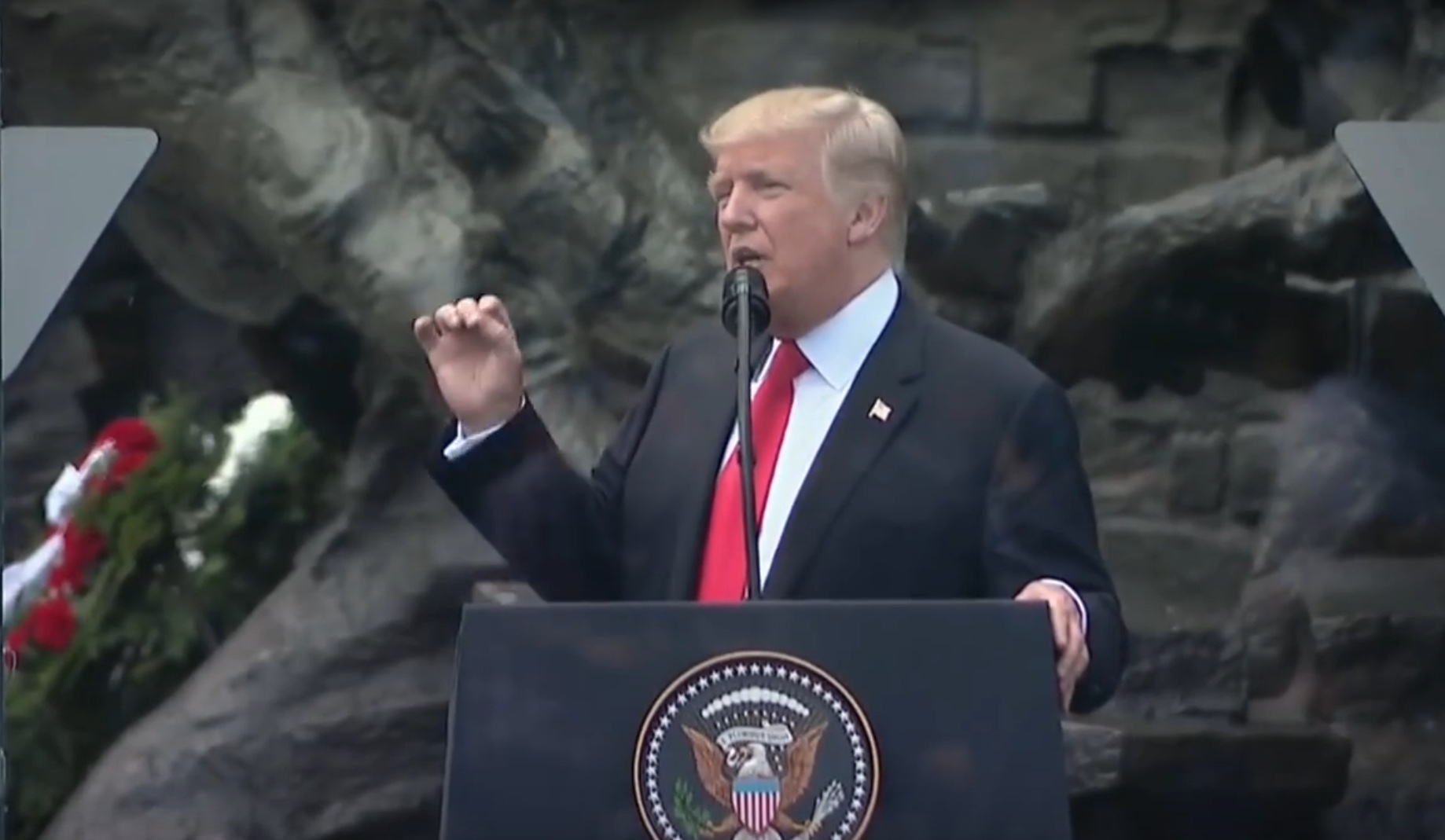
In a bold political maneuver, Parti Québécois leader Paul St-Pierre Plamondon has announced a significant delay in the timeline for a Quebec sovereignty referendum, explicitly tying this decision to Donald Trump’s presidency. This strategic recalibration shifts a core promise of the PQ’s platform, potentially reshaping the upcoming provincial election dynamics.
The PQ’s decision to postpone any referendum until January 20, 2029, the end of Trump’s current term, is a calculated move to avoid sparking a constitutional crisis while Trump remains a volatile figure in North American politics. However, this delay poses a risk of alienating hardline sovereigntists who expected an unequivocal push for independence in the PQ’s first term.
Recent polls reveal that 63% of Quebecers currently oppose sovereignty, underscoring the PQ’s uphill battle in rallying support for a future referendum. With Quebec’s provincial election looming on October 5, 2026, the PQ’s gamble is to broaden its coalition by reassuring voters wary of immediate constitutional upheaval.
Despite leading in recent polls with 30% support, the PQ faces a contentious battle over the sovereignty issue. St-Pierre Plamondon’s strategy to separate the election question from the referendum question without abandoning either reveals a tactical twist that could sway swing voters concerned about the timing of a sovereignty vote.
As the political landscape in Quebec evolves, the PQ’s referendum pause will be scrutinized by voters and opponents alike. Whether this move is seen as strategic maturity or a sign of wavering commitment to independence will significantly impact the party’s electoral fortunes.
The biggest new turn is that Parti Québécois leader Paul St-Pierre Plamondon has now formally said a PQ government would not hold a Quebec sovereignty referendum before January 20, 2029, explicitly tying the delay to Donald Trump’s presidency and turning what had been a defining first-mandate promise into a high-risk election recalibration. The Associated Press reported Tuesday, August 18, 2026, that St-Pierre Plamondon said a PQ government would still stage a referendum in its first term if elected, but “not before Jan.
Quebec must hold its provincial election by October 5, 2026, and the immediate test is whether this Trump-linked pause broadens the PQ coalition or demoralizes hardline sovereigntists who wanted an unequivocal first-term referendum. On sovereignty itself, a June 14, 2026 measure compiled by 338Canada from Léger put No at 63 percent, Yes at 29 percent and undecided at 8 percent.
If the PQ wins, the next real deadline embedded in its new position is January 20, 2029, the earliest point it says a referendum could occur. 20, 2029,” the day Trump’s current term ends.
That matters because Quebec’s next provincial election must be held by October 5, 2026, so the PQ is effectively asking voters to elect a sovereigntist party while promising at least a two-year pause on the central act of its program. Recent polling snapshots circulating in Quebec politics show why the pressure is intense: a June 12-15, 2026 Léger survey of 1,014 Quebecers had the PQ at 30 percent, the Liberals at 27 percent, CAQ at 21 percent, Conservatives at 13 percent and Québec solidaire at 8 percent.
By Tuesday, August 18, he publicly committed not to hold a sovereignty vote while Trump remains president, and the AP moved the story internationally the same day. In plain terms, the PQ may be leading the race for government while the option it exists to advance remains deeply underwater.
– CBC Parti Québécois leader Paul St-Pierre Plamondon announced a delay in holding a Quebec sovereignty referendum until January 20, 2029, linking it to Donald Trump’s presidency. Quebec must hold its provincial election by October 5, 2026, and the immediate test is whether this Trump-linked pause broadens the PQ coalition or demoralizes hardline sovereigntists who wanted an unequivocal first-term referendum.
Polling shows 63% of Quebecers oppose sovereignty, indicating the PQ’s challenge in gaining support for a referendum. Quebec’s provincial election is set for October 5, 2026, testing the PQ’s strategy to broaden its coalition with a referendum delay.
The PQ leads in polls with 30%, ahead of the Liberals, but the sovereignty issue remains contentious. The PQ’s decision to postpone any referendum until January 20, 2029, the end of Trump’s current term, is a calculated move to avoid sparking a constitutional crisis while Trump remains a volatile figure in North American politics.
However, this delay poses a risk of alienating hardline sovereigntists who expected an unequivocal push for independence in the PQ’s first term. Recent polls reveal that 63% of Quebecers currently oppose sovereignty, underscoring the PQ’s uphill battle in rallying support for a future referendum.
The scale and speed of this development has caught many observers off guard. Each new update adds another dimension to a story that is still unfolding, and the full picture will only become clear as more verified details emerge from the people and institutions directly involved.
Analysts who have tracked this issue closely say the current moment represents a genuine turning point. The decisions made in the coming weeks are expected to set the direction for months ahead, with ripple effects likely to extend well beyond the immediate actors in the story.
For those directly affected, the practical impact is already visible. People navigating this fast-changing situation are dealing with real consequences while new information continues to reshape what is known and what remains open to interpretation.
Historical parallels offer some context, though experts caution against drawing too close a comparison. Similar situations have played out before, but the specific combination of pressures, personalities, and timing here makes this moment distinct in ways that matter for how it ultimately resolves.
The political and economic dimensions of this story are deeply intertwined. What appears as a single event on the surface is in practice the convergence of multiple pressures that have been building quietly over a longer period than most public reporting has captured.