



Quick Summary
- Jon Husted, Ohio Republican, lost a special election to Democrat Sherrod Brown, signaling a shift in political power.
- Republicans are now focused on avoiding a government shutdown before December funding expires.
- Dave McCormick’s call to delay leadership elections adds uncertainty to GOP’s path forward.
- Republicans face internal conflict over Trump’s agenda and leadership roles.
- The GOP’s ability to pass crucial defense and funding bills is under threat.
Republicans: Key Takeaways
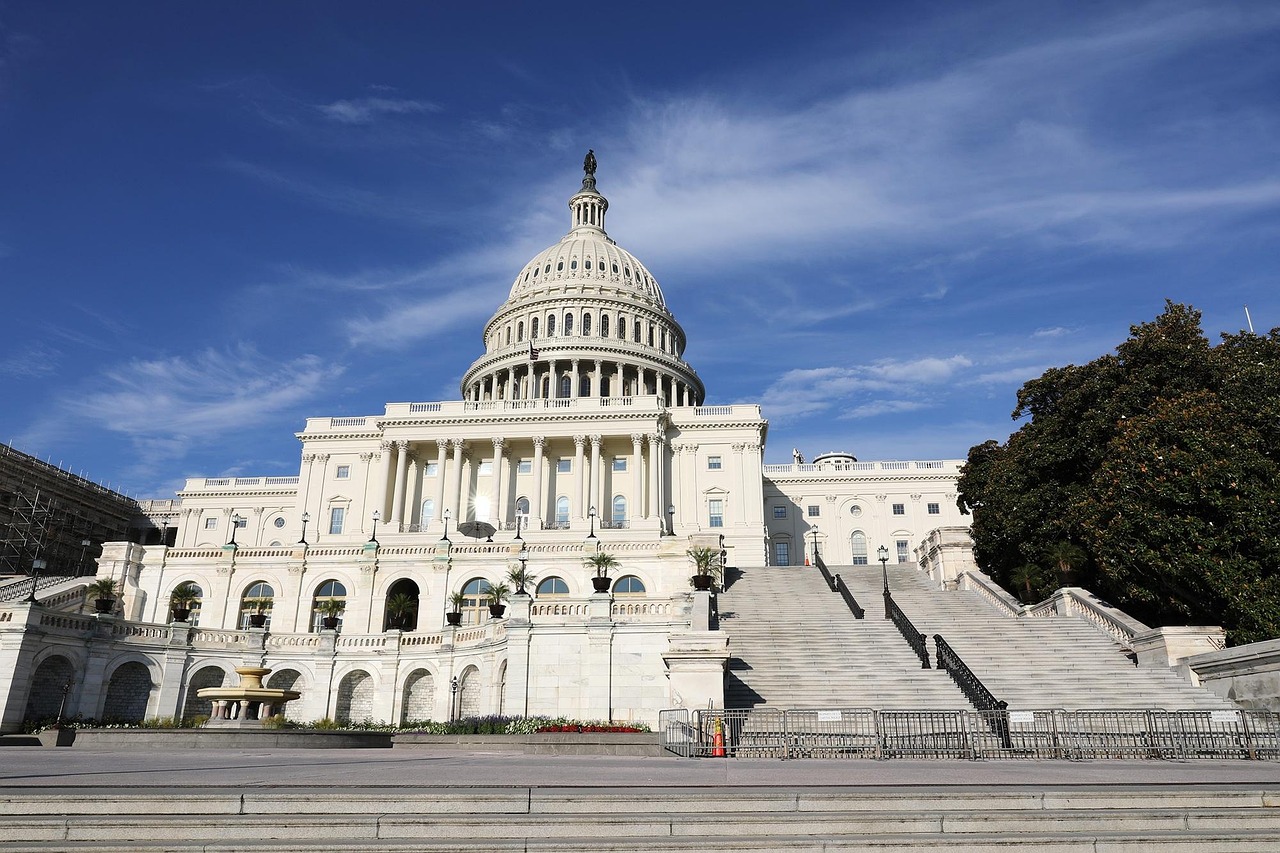
The Republican Party finds itself at a crossroads after losing control of Congress, a scenario that has forced a dramatic shift in priorities. With the clock ticking, the party’s primary focus is now on preventing a government shutdown before the funding deadline in mid-December. This marks a stark retreat from the ambitious Trump-era agenda they hoped to cement before Democrats take charge in January. Republicans is at the center of this development.
As Republicans scramble to salvage what they can, internal divisions are becoming increasingly apparent. The recent call by Dave McCormick to delay Senate Republican leadership elections has thrown a wrench into what was supposed to be a straightforward path for John Thune. This delay reflects broader uncertainty and leadership anxiety within the party.
The situation is further complicated by a rebellion within the GOP over national security issues, particularly the impeachment resolution against Defense Secretary Pete Hegseth. This move underscores the party’s struggle to unify around a cohesive strategy while managing the fallout from the midterm elections.
With only weeks remaining, Republicans must navigate a minefield of legislative and leadership challenges. The outcome of their efforts will not only shape the party’s immediate future but also set the tone for how they will operate in a Democrat-controlled Congress.
Congress is back as of Monday, November 9, 2026, Senate GOP leadership voting is expected this week unless McCormick succeeds in delaying it, government funding expires after December 11, and Republicans have only until early January before Democrats formally take over both chambers. has said he does not plan to retire, even as Republicans warn Democrats would be highly unlikely to confirm a Supreme Court nominee once they control the Senate.
The latest Washington Post reporting says Republicans return to Washington on Monday, November 9, 2026, with only about five to six weeks left in power and a sharply narrowed path to pass anything substantial after last week’s election wipeout. Jon Husted, the Ohio Republican appointed to complete Vice President JD Vance’s old Senate term, lost last week’s special election to former Democratic senator Sherrod Brown.
Both the Post and AP say lawmakers still hope to pass the annual defense policy bill, the measure that sets Pentagon policy and includes military pay raises; AP notes Congress has approved it essentially every year since World War II. The Post identifies the immediate deadline as government funding that runs out after December 11, making shutdown prevention the most pressing task, while AP similarly describes a “six short weeks” sprint before the transfer of power in January.
That matters because the losses have turned what should have been a controlled endgame into a scramble shaped by blame, leadership anxiety and fear of what a Democratic Congress will do with subpoena power. Axios reports that Dave McCormick called for delaying Tuesday’s Senate Republican leadership elections, injecting fresh uncertainty into what had looked like an easy path for John Thune.
The same report says Trump had clashed repeatedly with Thune over his refusal to eliminate the filibuster and over Senate failures to move pieces of Trump’s agenda, including the SAVE America Act. In other words, Republicans are trying to close out a legislative session while simultaneously fighting over who is responsible for the party’s losses and whether the Senate leadership was too cautious.
The GOP’s ability to pass crucial defense and funding bills is under threat.
Dave McCormick’s call to delay leadership elections adds uncertainty to GOP’s path forward. Republicans face internal conflict over Trump’s agenda and leadership roles.
The scale and speed of this development has caught many observers off guard. Each new update adds another dimension to a story that is still unfolding, and the full picture will only become clear as more verified details emerge from the people and institutions directly involved.
Analysts who have tracked this issue closely say the current moment represents a genuine turning point. The decisions made in the coming weeks are expected to set the direction for months ahead, with ripple effects likely to extend well beyond the immediate actors in the story.
For those directly affected, the practical impact is already visible. People navigating this fast-changing situation are dealing with real consequences while new information continues to reshape what is known and what remains open to interpretation.
Historical parallels offer some context, though experts caution against drawing too close a comparison. Similar situations have played out before, but the specific combination of pressures, personalities, and timing here makes this moment distinct in ways that matter for how it ultimately resolves.
The political and economic dimensions of this story are deeply intertwined. What appears as a single event on the surface is in practice the convergence of multiple pressures that have been building quietly over a longer period than most public reporting has captured.