

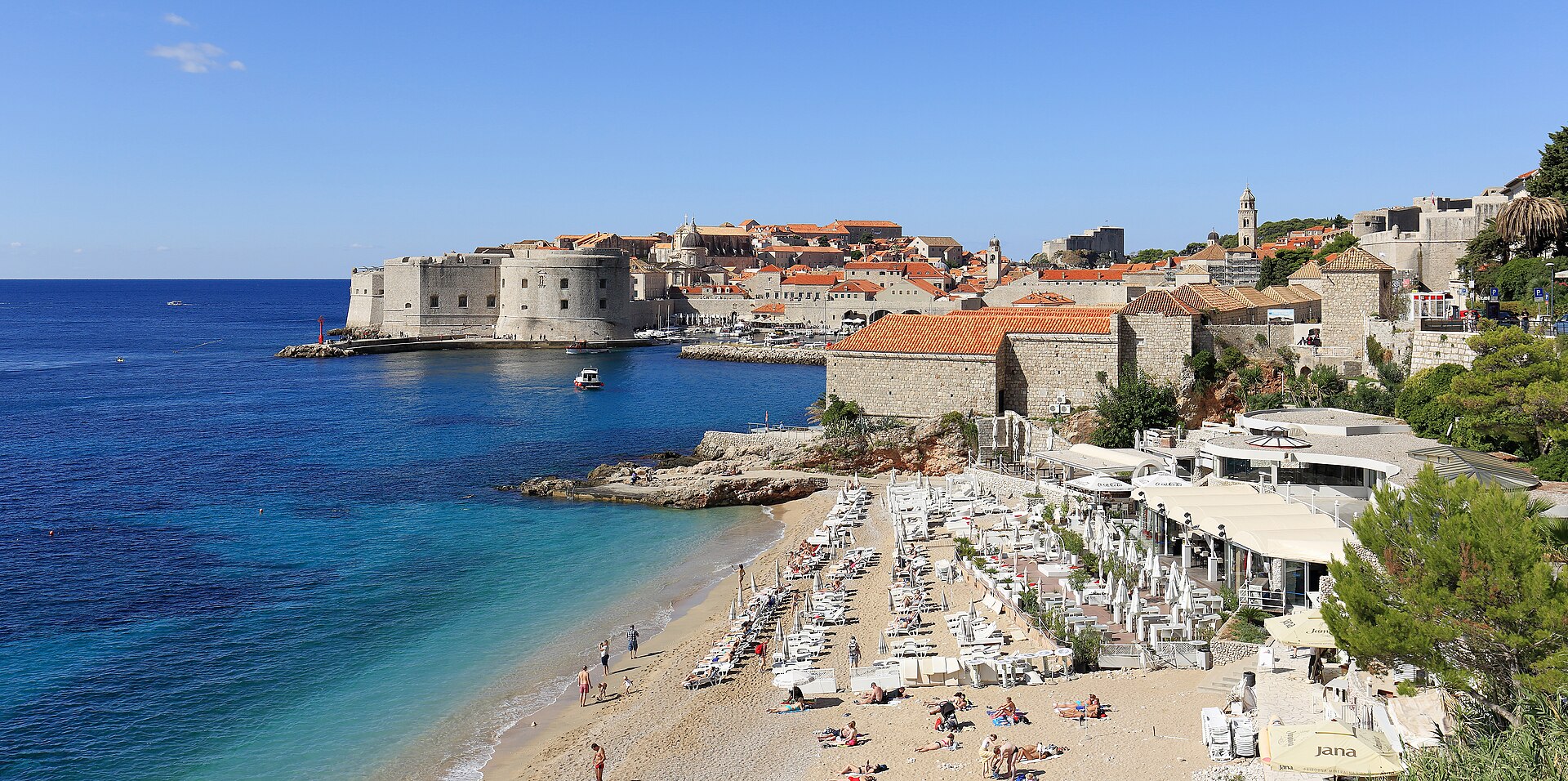

Quick Summary: Croatias Q1 Tourism Revenue Surges 9.2% Amid Strategic Market Campaigns
- Foreign-tourist revenue in Croatia reached €945.2 million in Q1 2026 — a 9.2% increase from the previous year.
- Tourism minister Tonči Glavina highlights a €509 million increase in revenue since 2016 — indicating a strengthening tourism model.
- Croatia recorded 4.5 million tourists and over 14 million overnight stays from January to May 2026 — up 5% and 7% year-over-year.
- Promotional campaigns in 13 foreign markets emphasize accessibility, safety, and price competitiveness — shifting focus from traditional Adriatic glamour.
- Officials express concern over pricing strategies — highlighting the need to remain competitive in the Mediterranean region.
Source: Open external resource
Source: Read original article
As Croatia gears up for the peak summer season, the country’s tourism sector is already making waves with impressive early-year figures. The Croatian government announced that foreign-tourist revenue hit €945.2 million in the first quarter of 2026, marking a 9.2% increase from the previous year. This surge, officials claim, is not just about attracting more visitors but maximizing value during the shoulder season.
Tourism Minister Tonči Glavina is optimistic, noting a significant €509 million revenue increase since 2016. However, with the bulk of tourist traffic and earnings still to come in July and August, there’s a cautious note in the air. The focus is on maintaining competitive pricing to ensure Croatia doesn’t price itself out of the market, especially as the high summer demand appears more restrained than in previous years.
The Croatian National Tourist Board, led by Kristjan Staničić, has been proactive with campaigns across 13 foreign markets, promoting Croatia as a safe, accessible, and cost-effective destination. This strategy aims to counteract any perceptions of Croatia becoming too expensive, particularly when compared to other Mediterranean hotspots.
As the tourism industry braces for its most intensive months, the pressure is on to sustain the momentum. The upcoming summer booking and occupancy data will be crucial in determining whether Croatia’s early successes translate into a banner year or merely a strong preseason.
The next meaningful proof point will be the summer booking and occupancy data now coming in across July 2026, because that will show whether this early revenue jump was the start of a breakout year or merely a strong preseason headline. Tourism minister Tonči Glavina used the release to argue that the country’s model is strengthening, saying, “Zadovoljni smo rezultatima koje ostvarujemo,” and adding that compared with the first quarter of 2016, foreign-tourist income is now higher by more than €509 million, “više nego dvostruko,” or more than double.
7 million that officials are presenting as proof the country is making more money before the peak summer crush even begins. 2 million arrivals and 3 million overnight stays in the first quarter, which were respectively 9 percent and 8 percent above early 2025.
7 million overnight stays, with the biggest source markets listed as Germany, Austria, Croatia, Poland, Slovenia, the UK and the US. 2 million and the 5-month gains in arrivals and nights can survive softer booking sentiment, pricing pressure and the need to keep Croatia competitive against other Mediterranean destinations.
5 million tourists and more than 14 million overnight stays from January through the end of May, up 5 percent and 7 percent from a year earlier, but Glavina also cautioned that demand for the high summer period looked “somewhat more restrained” than in previous years. Staničić said promotional campaigns from February through June were active across 13 foreign markets, and that newer messaging stresses accessibility, safety and price competitiveness rather than just Adriatic glamour.
In the June 9 reporting, Glavina said the growth in arrivals and nights “confirms that the measures and policies we are implementing are delivering concrete results,” especially for preseason and postseason tourism, yet in the same breath officials were emphasizing the need to stay competitive on price as booking momentum for the core summer months softened. Croatia’s tourism leaders are simultaneously boasting about growth and warning that the real test is still ahead in July and August, when most annual traffic and earnings are booked.
Tourism minister Tonči Glavina highlights a €509 million increase in revenue since 2016 — indicating a strengthening tourism model. Tourism Minister Tonči Glavina is optimistic, noting a significant €509 million revenue increase since 2016.
Tourism minister Tonči Glavina used the release to argue that the country’s model is strengthening, saying, “Zadovoljni smo rezultatima koje ostvarujemo,” and adding that compared with the first quarter of 2016, foreign-tourist income is now higher by more than €509 million, “više nego dvostruko,” or more than double. 7 million overnight stays, with the biggest source markets listed as Germany, Austria, Croatia, Poland, Slovenia, the UK and the US.
2 million and the 5-month gains in arrivals and nights can survive softer booking sentiment, pricing pressure and the need to keep Croatia competitive against other Mediterranean destinations. Staničić said promotional campaigns from February through June were active across 13 foreign markets, and that newer messaging stresses accessibility, safety and price competitiveness rather than just Adriatic glamour.
Promotional campaigns in 13 foreign markets emphasize accessibility, safety, and price competitiveness — shifting focus from traditional Adriatic glamour. The Croatian National Tourist Board, led by Kristjan Staničić, has been proactive with campaigns across 13 foreign markets, promoting Croatia as a safe, accessible, and cost-effective destination.
The scale and speed of this development has caught many observers off guard. Each new update adds another dimension to a story that is still unfolding, and the full picture will only become clear as more verified details emerge from the people and institutions directly involved.
Analysts who have tracked this issue closely say the current moment represents a genuine turning point. The decisions made in the coming weeks are expected to set the direction for months ahead, with ripple effects likely to extend well beyond the immediate actors in the story.
For those directly affected, the practical impact is already visible. People navigating this fast-changing situation are dealing with real consequences while new information continues to reshape what is known and what remains open to interpretation.
Historical parallels offer some context, though experts caution against drawing too close a comparison. Similar situations have played out before, but the specific combination of pressures, personalities, and timing here makes this moment distinct in ways that matter for how it ultimately resolves.
The political and economic dimensions of this story are deeply intertwined. What appears as a single event on the surface is in practice the convergence of multiple pressures that have been building quietly over a longer period than most public reporting has captured.