

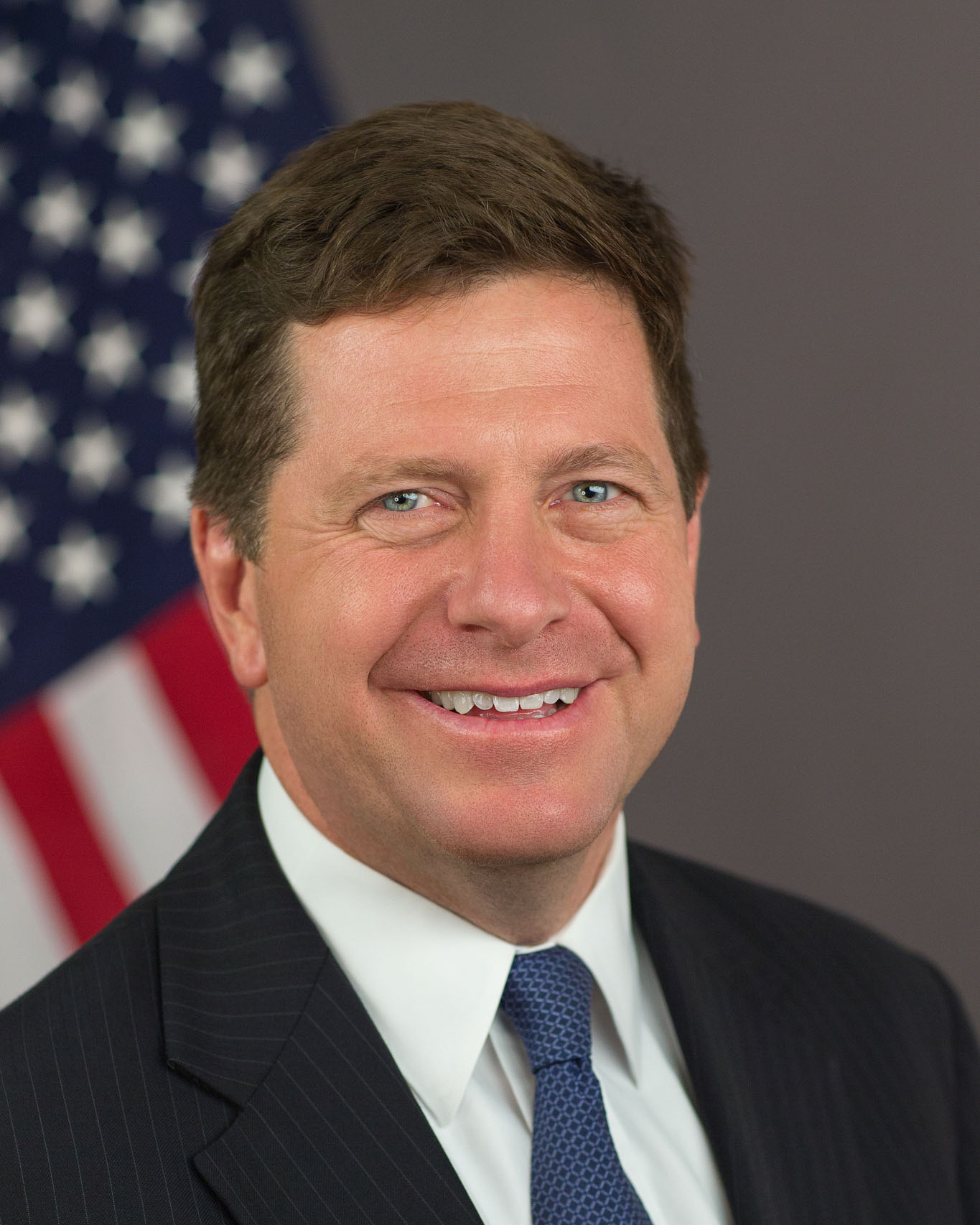

Quick Summary: Senate Confirms Jay Clayton Amid Concerns Over 2020 Election Stance
- Jay Clayton was confirmed as Director of National Intelligence in a 51-47 Senate vote — his confirmation followed a contentious debate over his stance on the 2020 election results.
- Clayton’s nomination, first announced by Trump on June 11, faced delays — the process was marked by tensions with Senate Republicans and extended acting director Bill Pulte’s tenure.
- During his confirmation hearing, Clayton avoided directly stating that Biden won the 2020 election — this evasiveness fueled Democratic concerns about his independence from Trump.
- Clayton’s confirmation was seen as crucial ahead of the 2026 midterms — with election security and intelligence independence under scrutiny, a permanent director was deemed necessary.
- Acting intelligence chief Bill Pulte’s actions, including releasing sensitive documents, added urgency to Clayton’s confirmation — highlighting instability in intelligence leadership.
Source: Open external resource
Source: Read original article
Jay Clayton’s confirmation as Director of National Intelligence is more than just another appointment; it’s a pivotal moment that underscores the ongoing battle over the integrity of U.S. intelligence operations under the Trump administration. Clayton, who was confirmed by a narrow 51-47 Senate vote, now faces the daunting task of navigating a politically charged landscape where his every move will be scrutinized.
The road to Clayton’s confirmation was anything but smooth. Initially nominated by Trump on June 11, his path was obstructed by delays and political maneuvering that left the Senate in a state of tension. Acting intelligence chief Bill Pulte’s prolonged tenure only added to the instability, with his controversial actions intensifying the need for a permanent director. Clayton’s confirmation was seen as essential, especially with the 2026 midterms looming and the stakes for election security higher than ever.
The heart of the controversy surrounding Clayton’s appointment lies in his response to the 2020 election results. During his confirmation hearing, Clayton’s refusal to explicitly acknowledge Biden’s victory raised red flags among Democrats, who questioned his ability to remain independent from Trump’s influence. This evasion became the focal point of Democratic attacks, casting doubt on Clayton’s potential to uphold the principles of unbiased intelligence work.
As Clayton steps into his role, he inherits a landscape fraught with challenges. The intelligence community is under pressure, with concerns about surveillance authorities, election security, and the independence of intelligence analysis at the forefront. The urgency of his confirmation highlights the critical need for stable leadership as the nation prepares for future elections.
Ultimately, Clayton’s confirmation is a testament to the complexities of intelligence leadership under the Trump administration. It raises questions about the balance of power between the presidency, the Senate, and the acting loyalists who have shaped the intelligence landscape. As Clayton assumes his new role, the nation watches closely, eager to see whether he will rise to the occasion or falter under political pressure.
In his own words, Clayton told senators, “If confirmed as Director of National Intelligence, I will commit to upholding these principles every day,” while also insisting he “had no involvement” in Trump’s speech about the 2020 election. Jay Clayton’s rapid elevation from Manhattan prosecutor to director of national intelligence became real this week when the Senate confirmed him in a 51-47 vote on Tuesday, July 28, capping a bruising fight over whether he would protect intelligence work from Donald Trump’s election grievances and political vendettas.
By July 7, Reuters reported the hearing had been reset for July 15; on July 21, the nomination advanced out of committee; and on July 28, the Senate finished the job. At his July 15 confirmation hearing before the Senate Intelligence Committee, Democrats repeatedly pressed him, and multiple reports said he answered only that the election was “certified” for Biden, declining to state outright that Biden won.
intelligence community after Republicans pushed him through on what AP described as a party-line vote, despite weeks of Democratic attacks over his refusal to plainly say Joe Biden won in 2020. The core controversy driving the story is not Clayton’s résumé alone but his answer to a simple democratic test: whether he would clearly acknowledge the 2020 result.
Trump first nominated Clayton on June 11, then abruptly derailed or delayed the process in mid-June, a maneuver that fueled tensions with Senate Republicans and prolonged Pulte’s acting tenure. But that advantage was blunted when the hearing became consumed by Trump’s 2020 election claims and by Pulte’s actions, making Clayton’s nomination less a referendum on competence than on whether a traditionally credentialed nominee would normalize extraordinary political pressure inside the intelligence system.
What happens next is immediate and concrete: Clayton is expected to take over from Pulte and assume responsibility for the intelligence agencies as the 2026 midterms approach, with election security, surveillance authorities and the independence of intelligence analysis all under scrutiny. The standout new fact this week is therefore not simply that Jay Clayton is influential or controversial, but that after a 51-47 Senate vote on July 28, he now has the authority to turn those controversies into policy.
Clayton’s confirmation was seen as crucial ahead of the 2026 midterms — with election security and intelligence independence under scrutiny, a permanent director was deemed necessary. Clayton, who was confirmed by a narrow 51-47 Senate vote, now faces the daunting task of navigating a politically charged landscape where his every move will be scrutinized.
Clayton’s confirmation was seen as essential, especially with the 2026 midterms looming and the stakes for election security higher than ever. The heart of the controversy surrounding Clayton’s appointment lies in his response to the 2020 election results.
The scale and speed of this development has caught many observers off guard. Each new update adds another dimension to a story that is still unfolding, and the full picture will only become clear as more verified details emerge from the people and institutions directly involved.
Analysts who have tracked this issue closely say the current moment represents a genuine turning point. The decisions made in the coming weeks are expected to set the direction for months ahead, with ripple effects likely to extend well beyond the immediate actors in the story.
For those directly affected, the practical impact is already visible. People navigating this fast-changing situation are dealing with real consequences while new information continues to reshape what is known and what remains open to interpretation.
Historical parallels offer some context, though experts caution against drawing too close a comparison. Similar situations have played out before, but the specific combination of pressures, personalities, and timing here makes this moment distinct in ways that matter for how it ultimately resolves.
The political and economic dimensions of this story are deeply intertwined. What appears as a single event on the surface is in practice the convergence of multiple pressures that have been building quietly over a longer period than most public reporting has captured.