

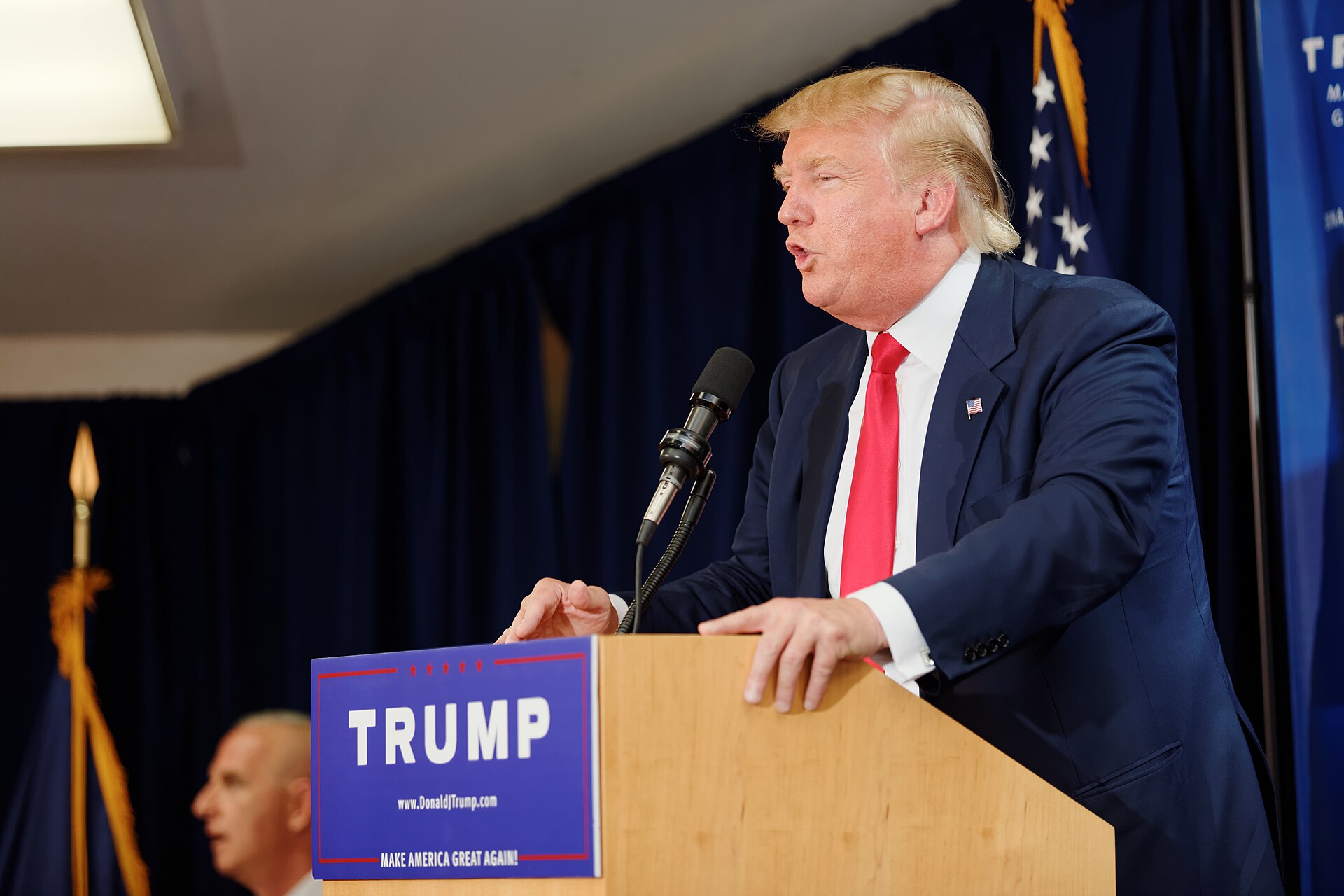

Quick Summary: Democrats Eye Senate Control, Threatening Trumps Judicial Picks
- Ruben Gallego of Arizona referenced Mitch McConnell’s 2016 blockade, suggesting Democrats might adopt similar tactics against Trump.
- Chuck Schumer is preparing for potential Democratic Senate majority challenges, including internal party dynamics and future elections.
- Election Day on November 3, 2026, may trigger an immediate Senate organizing battle, followed by a high-stakes lame-duck session.
- Republicans risk losing their Senate majority, threatening Trump’s ability to confirm Supreme Court justices and other nominees.
- Despite having $1 billion for campaign efforts, Republicans fear Trump’s unpopularity and economic issues may lead to significant losses.
Source: Open external resource
Source: Read original article
Donald Trump might soon face a formidable new obstacle: a Democratic-controlled Senate. This potential shift in power is not just about legislative battles but could fundamentally alter the trajectory of Trump’s presidency. With the Senate’s control, Democrats could block Trump’s Cabinet picks, judges, and even Supreme Court nominees, echoing Mitch McConnell’s infamous blockade of Merrick Garland in 2016.
The anxiety within the GOP is palpable. Recent polls suggest that Democrats might not only retain the House but also seize the Senate, a scenario that would give them significant leverage over Trump’s last two years. The stakes are high, with Republicans needing to defend their majority to maintain control over key confirmations and investigations.
The political landscape is shifting as Election Day 2026 approaches. If Democrats secure 51 seats, they gain control over subpoenas, committee chairs, and the confirmation process. This potential power shift has Republicans scrambling, despite their substantial campaign funds, as they face the dual challenge of Trump’s declining popularity and economic concerns.
The implications of a Democratic Senate are profound. It could stymie Trump’s agenda, particularly regarding judicial appointments, and intensify investigations into his administration. As the midterms draw near, the GOP’s internal tensions and strategic missteps could prove costly, making the Senate a critical battleground for both parties.
Ruben Gallego of Arizona, who explicitly invoked Mitch McConnell’s 2016 Merrick Garland blockade and said, “The standard was set by McConnell, at least when it comes to Supreme Court justices, and I think we should stick to that standard. On October 9, Axios reported that Chuck Schumer is already gaming out the headaches of leading a possible majority, including attendance problems and 2028 presidential maneuvering inside his own caucus.
Election Day is November 3, 2026, and if the races remain close, the organizing battle for the Senate will begin almost immediately afterward, followed by a lame-duck session that both parties view as high stakes. If they fall short, Republicans preserve Trump’s confirmation route and their best chance to lock in any Supreme Court vacancy that opens in 2027.
AP reported five days ago that Republicans have roughly $1 billion to spend in the closing stretch, yet party operatives are increasingly anxious that even that sum may not be enough to stop broad losses driven by Trump’s unpopularity, economic concerns and the fallout from Iran. On October 5, Semafor reported that a Democratic Senate would likely block nearly all Trump nominees and probably any Supreme Court pick.
The Washington Post’s latest report, published October 11, says the alarm inside the GOP has intensified because Republicans already expected the House to be at risk, but “recent polling suggests Democrats could also capture the Senate,” which would give Democrats control of subpoenas, committee gavels and the confirmation pipeline in the final two years of Trump’s term. ” The Senate math is what gives that warning bite: Democrats would need a net gain of four seats to control the chamber, and multiple late-cycle trackers now show a genuinely competitive map, with one widely cited forecast putting Democrats at 54 in 100 odds to win the Senate and another giving them a 47 percent chance, while Republicans still hover near even money rather than dominant favorites.
If Democrats hit 51 seats, Schumer would regain the majority in January 2027 and Democrats would inherit subpoena power, hearing schedules, committee chairs and the ability to stall or sink nominations. The biggest new development is that Democrats’ once far-fetched Senate comeback is now being treated by Republicans as an immediate governing threat to Donald Trump, with the fight centering not just on legislation but on whether a Democratic majority in January would freeze Cabinet picks, bottleneck judges, and potentially deny any future Trump Supreme Court nominee a vote.
Election Day on November 3, 2026, may trigger an immediate Senate organizing battle, followed by a high-stakes lame-duck session. With the Senate’s control, Democrats could block Trump’s Cabinet picks, judges, and even Supreme Court nominees, echoing Mitch McConnell’s infamous blockade of Merrick Garland in 2016.
On October 9, Axios reported that Chuck Schumer is already gaming out the headaches of leading a possible majority, including attendance problems and 2028 presidential maneuvering inside his own caucus. Election Day is November 3, 2026, and if the races remain close, the organizing battle for the Senate will begin almost immediately afterward, followed by a lame-duck session that both parties view as high stakes.
If they fall short, Republicans preserve Trump’s confirmation route and their best chance to lock in any Supreme Court vacancy that opens in 2027. AP reported five days ago that Republicans have roughly $1 billion to spend in the closing stretch, yet party operatives are increasingly anxious that even that sum may not be enough to stop broad losses driven by Trump’s unpopularity, economic concerns and the fallout from Iran.
On October 5, Semafor reported that a Democratic Senate would likely block nearly all Trump nominees and probably any Supreme Court pick. The Washington Post’s latest report, published October 11, says the alarm inside the GOP has intensified because Republicans already expected the House to be at risk, but “recent polling suggests Democrats could also capture the Senate,” which would give Democrats control of subpoenas, committee gavels and the confirmation pipeline in the final two years of Trump’s term.
The scale and speed of this development has caught many observers off guard. Each new update adds another dimension to a story that is still unfolding, and the full picture will only become clear as more verified details emerge from the people and institutions directly involved.
Analysts who have tracked this issue closely say the current moment represents a genuine turning point. The decisions made in the coming weeks are expected to set the direction for months ahead, with ripple effects likely to extend well beyond the immediate actors in the story.
For those directly affected, the practical impact is already visible. People navigating this fast-changing situation are dealing with real consequences while new information continues to reshape what is known and what remains open to interpretation.
Historical parallels offer some context, though experts caution against drawing too close a comparison. Similar situations have played out before, but the specific combination of pressures, personalities, and timing here makes this moment distinct in ways that matter for how it ultimately resolves.
The political and economic dimensions of this story are deeply intertwined. What appears as a single event on the surface is in practice the convergence of multiple pressures that have been building quietly over a longer period than most public reporting has captured.