

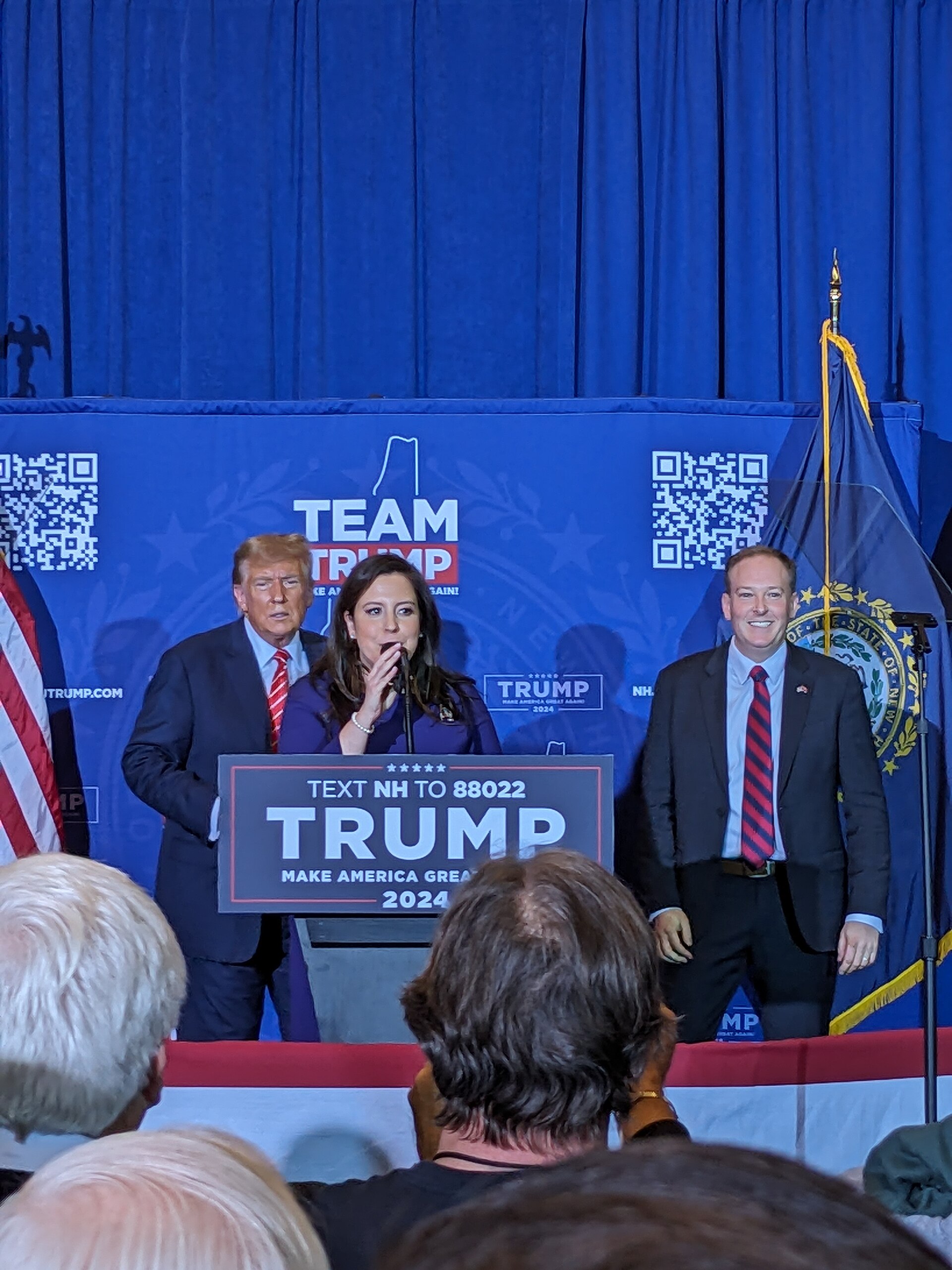

Quick Summary: Legal Questions Arise Over Trumps $1 Trillion Election Pledge
- Donald Trump pledged a $5,000 payment to every adult American if Republicans win both chambers in November.
- The proposal could cost over $1 trillion, sparking legal and fiscal controversy.
- Critics argue the promise directly ties financial benefits to electoral outcomes.
- Trump’s pledge is seen as a high-risk strategy amid Republican electoral challenges.
- Legal experts question the feasibility and legality of such a payment.
Source: Open external resource
Source: Read original article
Donald Trump has once again shaken the political landscape with a bold promise that could redefine the upcoming midterm elections. In a striking move, he pledged to distribute $5,000 to every adult American if Republicans secure victories in both the House and Senate this November. This audacious proposal, unveiled at a Dallas convention, is both a political gamble and a potential fiscal quagmire. Trillion is at the center of this development.
The sheer scale of this promise is staggering. With estimates suggesting a total cost exceeding $1 trillion, the proposal dwarfs previous relief efforts. Yet, it’s not just the financial implications that have critics up in arms. By tying the payout directly to election results, Trump has ignited a fierce debate over the ethics of such a pledge. Is this a genuine policy proposal, or a strategic move to sway voters?
In the current political climate, where Republican fortunes appear bleak, Trump’s promise seems like a desperate attempt to galvanize support. With Democrats more motivated to vote and Trump’s approval ratings faltering, the $5,000 pledge might be the Hail Mary Republicans need to turn the tide. However, legal experts remain skeptical about the feasibility of such payments, with questions about their legality looming large.
As the midterms approach, the political stakes are higher than ever. Trump’s pledge is not just a campaign promise; it’s a litmus test for the Republican strategy. Whether this bold move will translate into electoral success or become another unfulfilled promise remains to be seen. For now, the nation watches, waiting to see if Trump’s gamble will pay off or if it will merely be a footnote in the tumultuous saga of American politics.
Even so, critics seized on the conditional structure: Trump did not simply promise an economic proposal for a second term or future Congress, but directly connected a $5,000 benefit to Republican victories in both chambers. AP noted that Trump last year gave members of the military a $1,776 payment he called a “warrior dividend,” suggesting he is now scaling up a branded cash-transfer concept to the entire adult population.
Donald Trump’s most explosive new campaign promise is that he will send every adult American a $5,000 “Trump dividend” if Republicans keep both the House and Senate in November, a pledge made on September 9 in Dallas that instantly turned a struggling midterm message into a legal, fiscal and political fight. Another fresh detail from this week is Axios’s separate report that the administration is also planning $500 Obamacare-related rebates before the election, meaning the White House appears to be experimenting with multiple direct-payment messages at once.
If he does, the unresolved question hanging over every appearance will be the same one this story has now created: was this a headline-grabbing fantasy, or the opening bid in an attempt to turn federal cash into the defining argument of the November 2026 election? In other words, the $5,000 proposal is being read as a sign that the White House and GOP see the election environment as dangerous enough to justify a dramatic promise.
Taken together, that makes the $5,000 pledge look less like a one-off ad lib and more like part of a broader attempt to weaponize checks, rebates and “dividends” as campaign tools. Reuters reported that Trump insisted the 21,000-seat arena was “packed,” but said the upper sections remained largely empty during his speech.
The notable names around him included Texas Attorney General Ken Paxton, who is in a difficult Senate race against Democrat James Talarico, and Ohio Senator Jon Husted, who faces former Senator Sherrod Brown. There is still no bill, no funding mechanism and no congressional pathway publicly laid out for the $5,000 plan, so the next meaningful developments will likely be whether Republican candidates embrace the pledge, whether Democrats and election lawyers escalate the legal challenge, and whether Trump repeats or refines the offer in upcoming campaign stops.
In a striking move, he pledged to distribute $5,000 to every adult American if Republicans secure victories in both the House and Senate this November. Even so, critics seized on the conditional structure: Trump did not simply promise an economic proposal for a second term or future Congress, but directly connected a $5,000 benefit to Republican victories in both chambers.
The proposal could cost over $1 trillion, sparking legal and fiscal controversy. With estimates suggesting a total cost exceeding $1 trillion, the proposal dwarfs previous relief efforts.
With Democrats more motivated to vote and Trump’s approval ratings faltering, the $5,000 pledge might be the Hail Mary Republicans need to turn the tide. In other words, the $5,000 proposal is being read as a sign that the White House and GOP see the election environment as dangerous enough to justify a dramatic promise.
The scale and speed of this development has caught many observers off guard. Each new update adds another dimension to a story that is still unfolding, and the full picture will only become clear as more verified details emerge from the people and institutions directly involved.
Analysts who have tracked this issue closely say the current moment represents a genuine turning point. The decisions made in the coming weeks are expected to set the direction for months ahead, with ripple effects likely to extend well beyond the immediate actors in the story.
For those directly affected, the practical impact is already visible. People navigating this fast-changing situation are dealing with real consequences while new information continues to reshape what is known and what remains open to interpretation.
Historical parallels offer some context, though experts caution against drawing too close a comparison. Similar situations have played out before, but the specific combination of pressures, personalities, and timing here makes this moment distinct in ways that matter for how it ultimately resolves.
The political and economic dimensions of this story are deeply intertwined. What appears as a single event on the surface is in practice the convergence of multiple pressures that have been building quietly over a longer period than most public reporting has captured.