


Quick Summary: Trumps Election Fraud Claims Resurface Amid Media Boycott
- Trump’s primetime address on July 16, 2026, revived debunked 2020 election claims, but major networks refused to air it live.
- The speech, framed around “free and fair elections,” failed to provide evidence of manipulated votes or changed results.
- Networks like ABC and NBC declined live coverage due to concerns over amplifying misinformation.
- Trump’s address was tied to an internal review of government documents, involving FBI agents and White House advisers.
- Fox News’s $787.5 million settlement with Dominion Voting Systems influenced broadcasters’ cautious approach.
Source: Open external resource
Source: Read original article
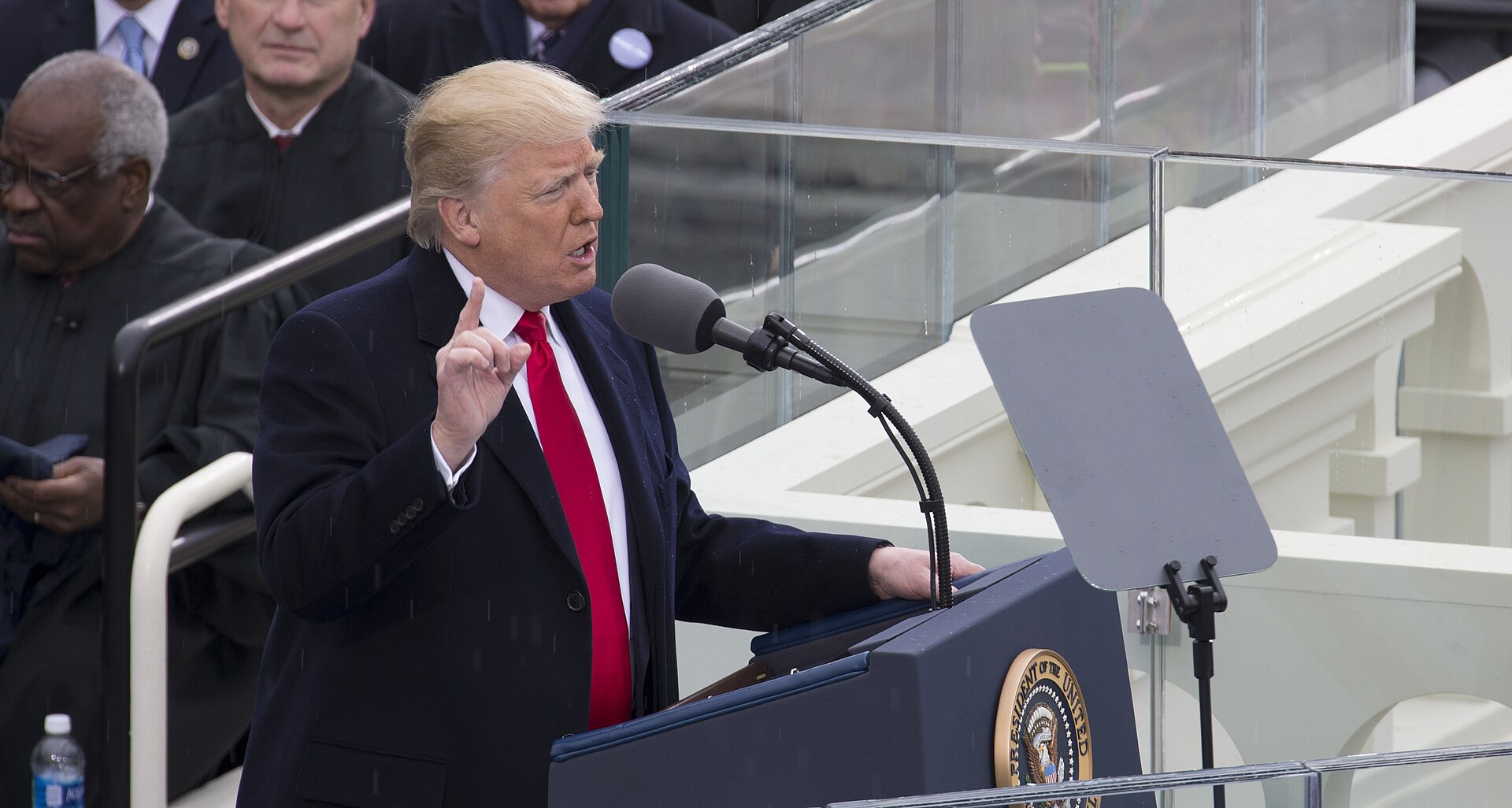
In a move that has reignited old controversies, Trump took the stage on July 16, 2026, using a national address to resurface debunked claims about the 2020 election. The speech, promising “really big news,” instead revisited familiar allegations about voting machines and foreign interference, lacking any new evidence. Major networks, wary of past misinformation lawsuits, chose not to broadcast the address live, marking a significant media stand against airing unverified claims. Trumps is at the center of this development.
The media’s decision not to air the address live underscores a growing resistance to amplifying presidential misinformation. This reluctance is rooted in the legal and financial repercussions faced by networks like Fox News, which previously settled a $787.5 million lawsuit with Dominion Voting Systems over similar claims. Trump’s insistence on revisiting these allegations, despite their debunking, reveals a persistent strategy to challenge electoral integrity narratives.
Contextually, the address was part of a broader effort involving a government-document review campaign, with FBI agents tasked with examining hundreds of files. This operational dimension highlights Trump’s use of federal resources to bolster his claims, despite the lack of substantiating evidence. The speech’s timing and content suggest an ongoing push for stricter voting regulations ahead of the 2026 midterms, aiming to sway public opinion and legislative action.
Ultimately, Trump’s address has less to do with new revelations and more with an enduring attempt to influence the political landscape. The refusal of networks to broadcast the speech live reflects a cautious media landscape, increasingly unwilling to provide a platform for unverified election claims. As Trump continues to leverage his platform, the challenge remains for media and political institutions to navigate the fine line between reporting and amplifying misinformation.
The Post reported on July 14 that FBI Director Kash Patel had sent hundreds of agents to assist the bureau’s Atlanta field office in reviewing 700 files by July 17. That gives the story a more operational edge: this was not merely a grievance speech, but part of a broader effort to use federal machinery to revisit 2020 claims.
The Washington Post and AP both tied the speech to his escalating push for tighter federal voting rules ahead of the November 2026 midterm elections. The biggest new development is that Trump went ahead with the Thursday, July 16, 2026 primetime address and used the White House to revive debunked claims about the 2020 election, but the most newsworthy fallout may be that major television networks refused to carry it live and even Fox acknowledged afterward that key allegations could not be confirmed.
The freshest reporting shows Trump framed the speech around “free and fair elections” and promised “really big news,” but AP reported that he ultimately revisited old claims about voting machines and foreign interference without producing evidence that votes were manipulated or that the 2020 result was changed. On Monday, July 14, the Washington Post reported Trump was planning a prime-time speech built around reexamined government files.
5 million settlement with Dominion Voting Systems, a number that remains central to why election-conspiracy claims are now handled so defensively by broadcasters. In a crowded political day, Trump still managed to pull attention back to 2020.
By Thursday night, July 16, AP reported he had in fact done exactly that, while post-speech reporting said some of the claims still could not be verified. The immediate deadline embedded in the reporting was July 17, when the FBI file-review push described by the Post was supposed to reach 700 files.
That gives the story a more operational edge: this was not merely a grievance speech, but part of a broader effort to use federal machinery to revisit 2020 claims. The freshest reporting shows Trump framed the speech around “free and fair elections” and promised “really big news,” but AP reported that he ultimately revisited old claims about voting machines and foreign interference without producing evidence that votes were manipulated or that the 2020 result was changed.
On Monday, July 14, the Washington Post reported Trump was planning a prime-time speech built around reexamined government files. 5 million settlement with Dominion Voting Systems influenced broadcasters’ cautious approach.
In a move that has reignited old controversies, Trump took the stage on July 16, 2026, using a national address to resurface debunked claims about the 2020 election. This operational dimension highlights Trump’s use of federal resources to bolster his claims, despite the lack of substantiating evidence.
The speech’s timing and content suggest an ongoing push for stricter voting regulations ahead of the 2026 midterms, aiming to sway public opinion and legislative action. 5 million settlement with Dominion Voting Systems, a number that remains central to why election-conspiracy claims are now handled so defensively by broadcasters.
In a crowded political day, Trump still managed to pull attention back to 2020. Quick Summary: The Latest: Trump is expected to make election conspiracies a focus of his national address – The Washington Post Trump’s primetime address on July 16, 2026, revived debunked 2020 election claims, but major networks refused to air it live.
The scale and speed of this development has caught many observers off guard. Each new update adds another dimension to a story that is still unfolding, and the full picture will only become clear as more verified details emerge from the people and institutions directly involved.
Analysts who have tracked this issue closely say the current moment represents a genuine turning point. The decisions made in the coming weeks are expected to set the direction for months ahead, with ripple effects likely to extend well beyond the immediate actors in the story.
For those directly affected, the practical impact is already visible. People navigating this fast-changing situation are dealing with real consequences while new information continues to reshape what is known and what remains open to interpretation.
Historical parallels offer some context, though experts caution against drawing too close a comparison. Similar situations have played out before, but the specific combination of pressures, personalities, and timing here makes this moment distinct in ways that matter for how it ultimately resolves.
The political and economic dimensions of this story are deeply intertwined. What appears as a single event on the surface is in practice the convergence of multiple pressures that have been building quietly over a longer period than most public reporting has captured.