

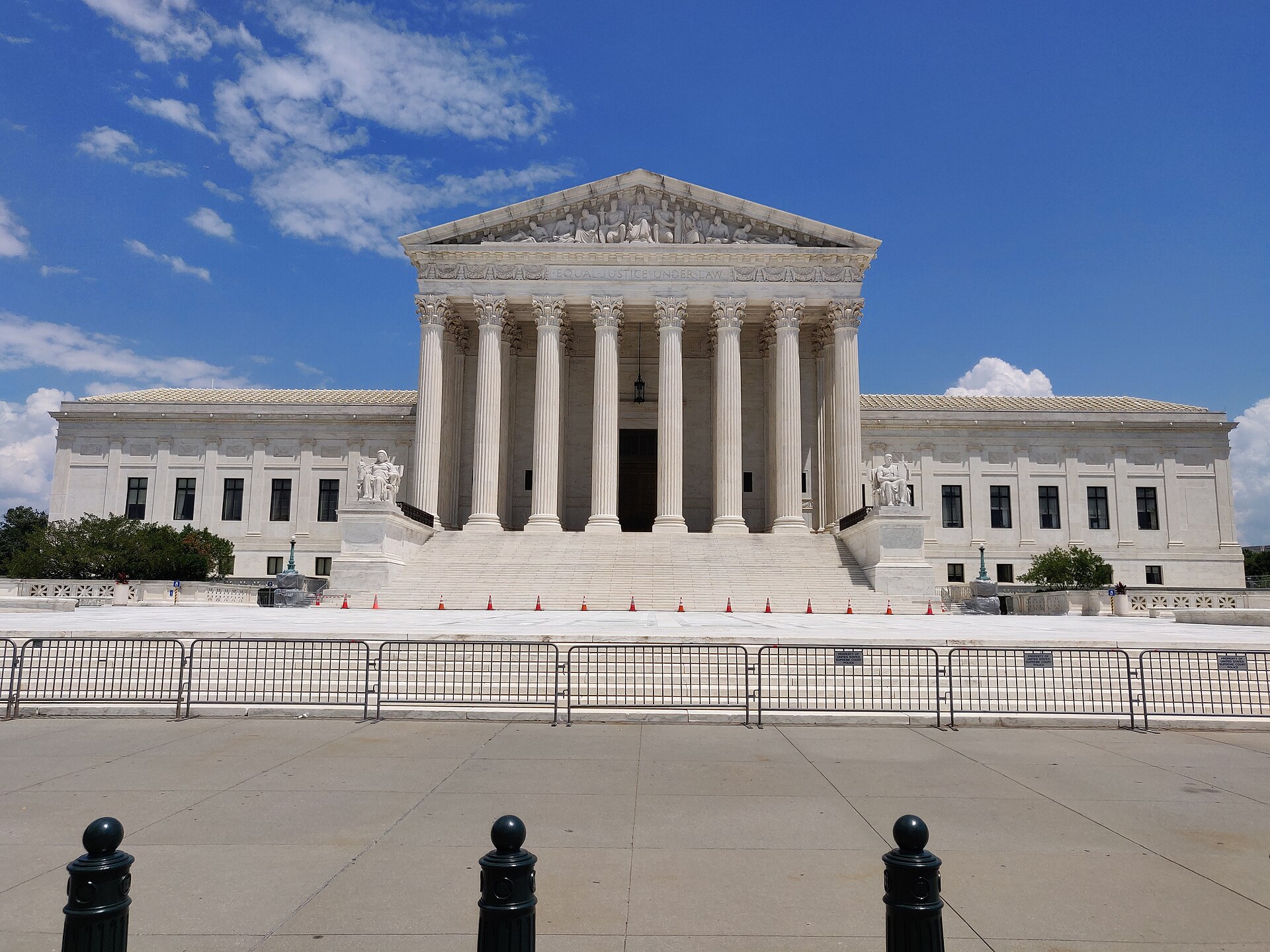

Quick Summary: Supreme Court Urged to Review USPS Mail Voting Restrictions Amid Midterms
- USPS’s new rule could lead to rejected ballots if Intelligent Mail barcodes don’t match portal data.
- States face operational challenges with the requirement for unique barcodes for all ballot envelopes.
- A whistleblower claims rushed USPS processes might cause ballot rejection before reaching voters.
- The legal battle over USPS’s role in mail voting is intensifying as midterms approach.
- Arkansas leaders are concerned about federal changes impacting local election integrity.
Source: Open external resource
Source: Read original article
The United States Postal Service (USPS) is embroiled in controversy over its new rules for handling mail-in ballots, which could jeopardize the integrity of upcoming elections. The crux of the issue lies in the USPS’s requirement for ballots to have Intelligent Mail barcodes matched with portal data, a process that could lead to the rejection of ballots if mismatches occur.
In a startling revelation, a whistleblower has accused the USPS of hastily implementing a verification system that might not be ready, raising fears of ballots being rejected before reaching voters. This claim has intensified legal battles, with courts now being asked to determine the legality of these USPS changes just as the midterm elections loom.
Arkansas finds itself caught in this national debate, as local election officials and political leaders express concern over the potential impact of these federal changes. The requirement for unique barcodes on all ballot envelopes introduces significant operational challenges, leading to fears of disenfranchisement among eligible voters.
As the legal landscape continues to shift, election officials are left in a precarious position, preparing for one set of rules while courts may impose another. The stakes are high, as any errors in ballot handling could affect thousands of votes and undermine public trust in the electoral process.
Government Executive, describing USPS’s own FAQ, reported that outbound ballots “will be rejected” if the Postal Service cannot match the Intelligent Mail barcode on the envelope with portal data before acceptance. The administration has again asked the Supreme Court to allow restrictions on mail voting to proceed, according to AP’s September 3 report, while lower-court litigation continues over the executive order and USPS rule.
The practical deadline is the opening wave of absentee-ballot mailings ahead of the November 2026 midterms: if judges do not settle the rule quickly, election offices may be forced into a last-minute, high-risk “wait-and-see” posture just as voters start relying on the mail. The main people driving the story now are David Steiner, the current postmaster general facing demands for explanations; Senator Blumenthal, who publicized the whistleblower warning; and judges hearing emergency challenges to the rule as states prepare ballots.
AP reported on September 2 that the system was being developed “in defiance” of a judge’s order halting work, while Axios said Senator Richard Blumenthal sent Postmaster General David Steiner a letter on September 1 demanding answers after receiving the whistleblower disclosure. AP reported today that statewide mail voting is already beginning in at least some states, meaning court rulings in the coming days could affect ballots going out now, not months from now.
The most consequential revelation in the latest reporting is the whistleblower’s claim that USPS tried to build, in roughly three months, a system that would normally take a year or more, raising the risk that ballots could be rejected before they ever reach voters or election offices. That matters because the rule now at the center of the fight would require states to submit names and barcode data tied to federal mail ballots, and in some cases USPS could reject outbound ballots if it cannot verify them through a federal ballot mail portal.
Issue One said the proposal would transform the Postal Service from a delivery service into a “federal gatekeeper” in the mail-voting process, while the National Association of Letter Carriers argued USPS lacks legal authority to create what amounts to a voter-verification system or to refuse ballot mail on that basis. AP reported six days ago that a federal judge blocked limits on mail voting before the midterms, only for the Trump administration to appeal, and then reported today that more litigation is colliding with the first wave of state mail-ballot distribution.
Arkansas leaders weigh in – KATV USPS’s new rule could lead to rejected ballots if Intelligent Mail barcodes don’t match portal data. Government Executive, describing USPS’s own FAQ, reported that outbound ballots “will be rejected” if the Postal Service cannot match the Intelligent Mail barcode on the envelope with portal data before acceptance.
The United States Postal Service (USPS) is embroiled in controversy over its new rules for handling mail-in ballots, which could jeopardize the integrity of upcoming elections. This claim has intensified legal battles, with courts now being asked to determine the legality of these USPS changes just as the midterm elections loom.
The scale and speed of this development has caught many observers off guard. Each new update adds another dimension to a story that is still unfolding, and the full picture will only become clear as more verified details emerge from the people and institutions directly involved.
Analysts who have tracked this issue closely say the current moment represents a genuine turning point. The decisions made in the coming weeks are expected to set the direction for months ahead, with ripple effects likely to extend well beyond the immediate actors in the story.
For those directly affected, the practical impact is already visible. People navigating this fast-changing situation are dealing with real consequences while new information continues to reshape what is known and what remains open to interpretation.
Historical parallels offer some context, though experts caution against drawing too close a comparison. Similar situations have played out before, but the specific combination of pressures, personalities, and timing here makes this moment distinct in ways that matter for how it ultimately resolves.
The political and economic dimensions of this story are deeply intertwined. What appears as a single event on the surface is in practice the convergence of multiple pressures that have been building quietly over a longer period than most public reporting has captured.