


Quick Summary: Supreme Courts Recent Decision Fuels Overseas Voting Legal Battle
- The DNC filed a lawsuit on October 1 against the Trump administration over changes to absentee-voting forms for Americans abroad.
- The lawsuit challenges a Defense Department decision to remove a voter category for U.S. citizens born abroad who have never lived in the U.S.
- An estimated 11,500 to 11,590 Americans could be affected by the change, according to a 2016 government estimate.
- The DNC argues the change was made without the usual public feedback process, violating the Administrative Procedure Act.
- Republicans have reportedly targeted overseas-voting rules as Democratic-leaning civilian voters abroad have outvoted Republican-leaning military voters in recent years.
Source: Open external resource
Source: Read original article
The Democratic National Committee has taken a bold legal step against the Trump administration, filing a lawsuit to challenge a controversial change to the federal absentee-voting form for Americans living abroad. This move comes after the Defense Department declared an ’emergency’ to justify altering the form, potentially disenfranchising U.S. citizens born overseas who have never lived in America.
At the heart of this legal battle is the Federal Post Card Application, a form crucial for military and civilian voters abroad. The administration’s decision to remove a voter category affecting an estimated 11,500 to 11,590 Americans has sparked outrage. Critics argue that this is more than a mere technical adjustment; it’s a deliberate attempt to complicate overseas voting processes.
The lawsuit highlights procedural shortcuts taken by the administration, bypassing the usual notice-and-comment period required for such changes. This has raised eyebrows among voting-rights advocates, who see it as part of a broader strategy to suppress votes from groups perceived as unfavorable to the GOP.
With the midterms approaching, the stakes couldn’t be higher. The DNC is urging the court to act swiftly, demanding the restoration of the previous form before voting deadlines close in. This case underscores the intensifying legal battles over election access and the lengths to which parties will go to secure electoral advantages.
As the story unfolds, it’s clear that the implications extend beyond the immediate legal arguments. The outcome could set a precedent for how election procedures are handled, potentially affecting voter turnout and the democratic process itself. In this high-stakes game, every move counts, and the world is watching closely.
were casting ballots as of a 2016 government estimate cited across the latest coverage. The biggest new development is that Democrats have now gone to federal court to block what they say was a last-minute Trump administration “emergency” change to the federal absentee-voting form for Americans abroad, arguing it could strip some overseas citizens of the ability to register and request ballots just weeks before the 2026 midterms.
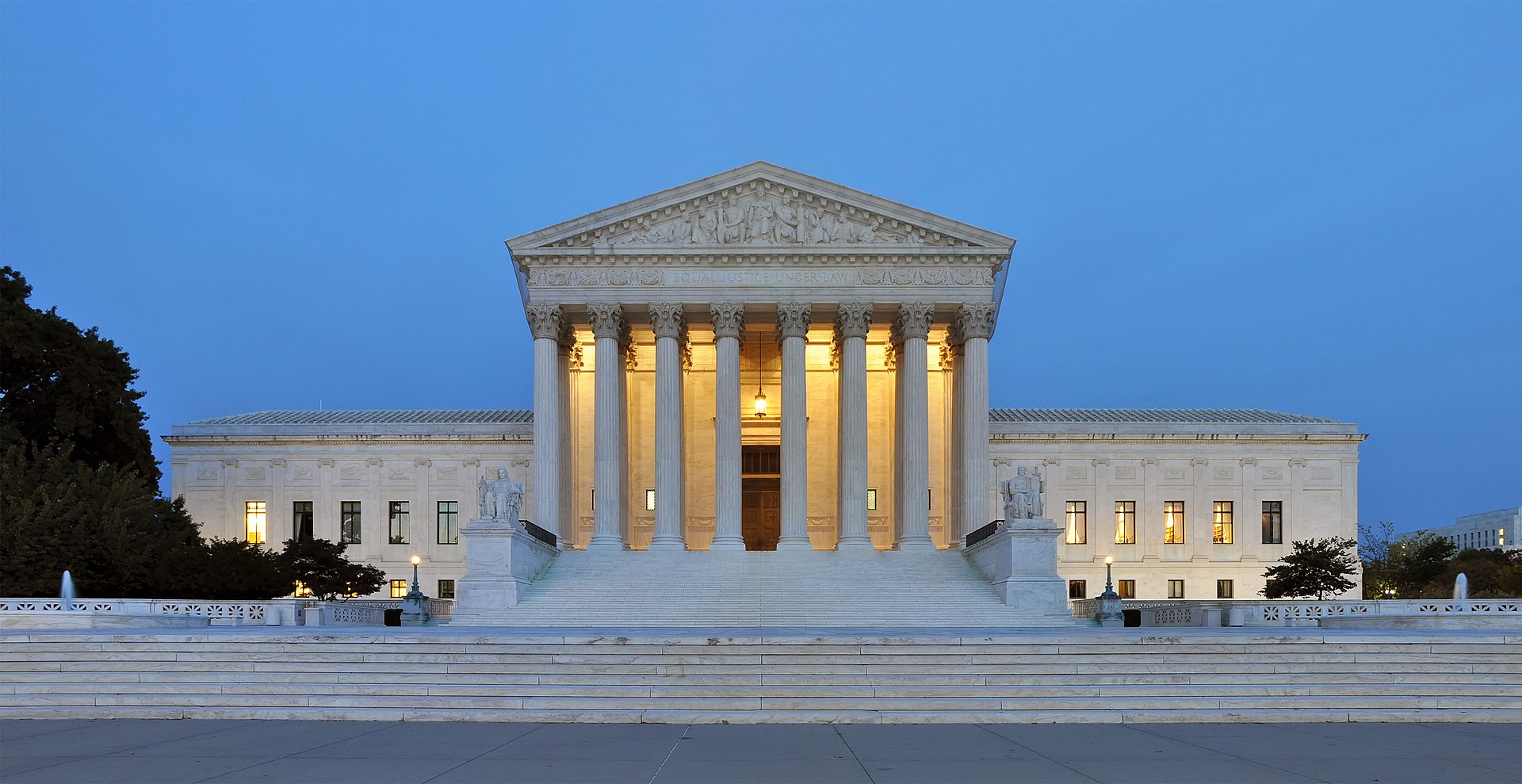
On October 1, major outlets including the Washington Post, Guardian and Bloomberg Law reported the lawsuit’s filing. The case lands just days after the Supreme Court, on September 26, temporarily let the administration use a revamped federal voter-eligibility database, underscoring that election-access litigation is accelerating on multiple fronts.
District Court for the District of Columbia, while the Washington Post said Democrats want the altered form pulled and the prior version restored. In late August, according to the DNC’s public statement, the Defense Department declared the “emergency” and changed the form.
That possibility, more than the lawsuit’s partisan framing, is why this has become one of the more consequential election-administration fights of the week. citizens born abroad who have never lived in the United States, a class of voters that is still recognized in 38 states and the District of Columbia for at least some elections.
The Associated Press called the affected population “about 11,500,” and the Guardian cited 11,590 from the same earlier government assessment. The political subtext is unusually explicit in the coverage: AP reported that Republicans have increasingly targeted overseas-voting rules as Democratic-leaning civilian voters abroad have outvoted Republican-leaning military voters in recent years.
The lawsuit highlights procedural shortcuts taken by the administration, bypassing the usual notice-and-comment period required for such changes. On October 1, major outlets including the Washington Post, Guardian and Bloomberg Law reported the lawsuit’s filing.
The case lands just days after the Supreme Court, on September 26, temporarily let the administration use a revamped federal voter-eligibility database, underscoring that election-access litigation is accelerating on multiple fronts. District Court for the District of Columbia, while the Washington Post said Democrats want the altered form pulled and the prior version restored.
In late August, according to the DNC’s public statement, the Defense Department declared the “emergency” and changed the form. That possibility, more than the lawsuit’s partisan framing, is why this has become one of the more consequential election-administration fights of the week.
The administration’s decision to remove a voter category affecting an estimated 11,500 to 11,590 Americans has sparked outrage. The Associated Press called the affected population “about 11,500,” and the Guardian cited 11,590 from the same earlier government assessment.
The scale and speed of this development has caught many observers off guard. Each new update adds another dimension to a story that is still unfolding, and the full picture will only become clear as more verified details emerge from the people and institutions directly involved.
Analysts who have tracked this issue closely say the current moment represents a genuine turning point. The decisions made in the coming weeks are expected to set the direction for months ahead, with ripple effects likely to extend well beyond the immediate actors in the story.
For those directly affected, the practical impact is already visible. People navigating this fast-changing situation are dealing with real consequences while new information continues to reshape what is known and what remains open to interpretation.
Historical parallels offer some context, though experts caution against drawing too close a comparison. Similar situations have played out before, but the specific combination of pressures, personalities, and timing here makes this moment distinct in ways that matter for how it ultimately resolves.
The political and economic dimensions of this story are deeply intertwined. What appears as a single event on the surface is in practice the convergence of multiple pressures that have been building quietly over a longer period than most public reporting has captured.