


Quick Summary: Weather Forces Evacuation at White House
- Severe weather forced a two-hour evacuation during the ‘Salute to America 250’ event in Washington — disrupting the celebration and highlighting national polarization.
- Fireworks and military flyovers in Philadelphia preceded a World Cup match — blending patriotic spectacle with international sport.
- Heat waves and fire risks clashed with high consumer demand for fireworks — raising safety concerns during the celebrations.
- Political tensions were evident as Trump’s speech was met with criticism — highlighting the partisan divide even on Independence Day.
- Global events like the World Cup added complexity to the semiquincentennial — overshadowing domestic political narratives.
Source: Open external resource
Source: Read original article
America’s 250th birthday was meant to be a grand celebration, but it quickly turned into a vivid display of the country’s current challenges. Severe weather and political tensions overshadowed the festivities, especially during the White House-led ‘Salute to America 250’ on the National Mall, which was disrupted by a two-hour evacuation due to storm threats.
In Philadelphia, the day was marked by fireworks and military flyovers before a World Cup match, merging patriotic fervor with global sports. However, the heat wave and fire risks across the country posed significant safety concerns, clashing with the high demand for fireworks.
Political tensions were palpable, with President Trump’s speech being both a celebration and a point of contention. Critics, including New York City Mayor Zohran Mamdani, used the occasion to underscore the country’s political divide, turning Independence Day into a proxy battle over America’s direction.
Adding to the complexity, global events like the World Cup in Philadelphia and Houston provided a broader context to the celebrations, overshadowing the domestic political narratives and highlighting the intricate layers of the semiquincentennial.
Axios reported on July 2 that fireworks groups expected a “massive boom” in backyard fireworks tied to the 250th anniversary, even as dry conditions, burn bans and a blistering heat wave raised the danger of fires. citizens on July 4, 2026, in one of the clearest counter-images to the day’s partisan edge.
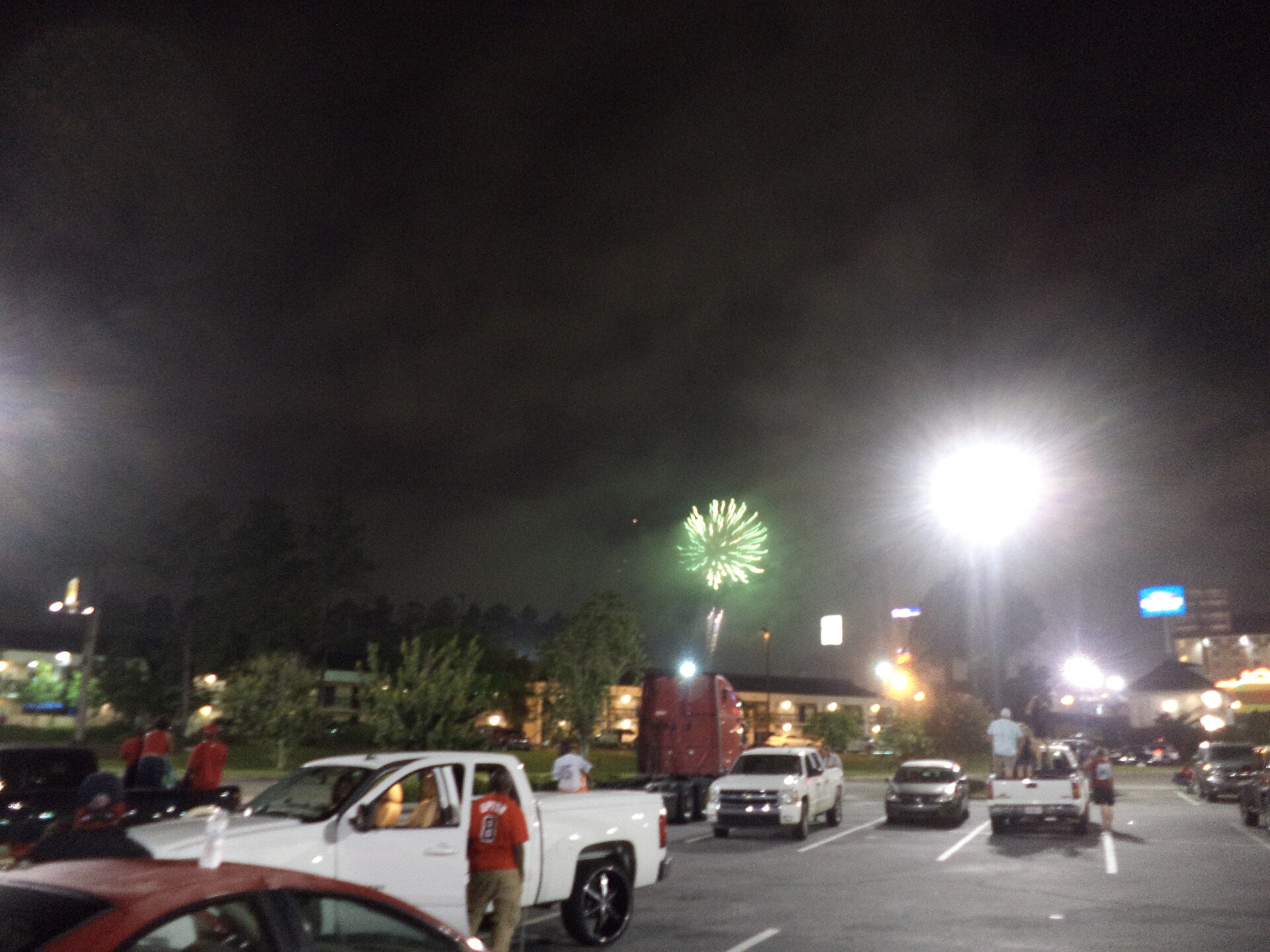
AP reported that in Philadelphia, fireworks and military flyovers preceded the France-Paraguay match, blending patriotic spectacle, international sport and local celebration in the nation’s birthplace. The most consequential new development in the latest reporting is that storms forced a roughly two-hour evacuation of the National Mall during President Donald Trump’s signature anniversary event, undercutting the administration’s marquee public celebration on the very night it sought to project national confidence and grandeur.
Another standout detail from this week’s reporting is the extent to which fire risk and consumer demand were moving in opposite directions. AP reported that severe weather disrupted festivities in Washington and several East Coast cities, while a separate account described thousands being told to leave the Mall during the “Great American State Fair,” Trump’s expected speech and the fireworks buildup.
The central tension running through the coverage is that the 250th anniversary collided with two forces at once: dangerous weather and open political polarization. In Pennsylvania, Lower Windsor Township pushed an America 250 event to July 8 because of the heat, and in Washington the evacuation came after what AP described as about a two-hour interruption on the Mall.
Trump, speaking as part of the anniversary observances, called the milestone “one of the most joyous and glorious milestones of all time,” according to follow-up coverage, but the broader event was also framed by criticism and implied anti-Trump rhetoric from Democratic leaders. America’s 250th birthday celebrations were overtaken Saturday by a sharper story than the fireworks themselves: a White House-led “Salute to America 250” on the National Mall was disrupted by severe weather and folded into an already polarized national mood, turning what was meant to be a unifying semiquincentennial into a vivid display of heat, storm threats and partisan messaging.
citizens on July 4, 2026, in one of the clearest counter-images to the day’s partisan edge. AP reported that in Philadelphia, fireworks and military flyovers preceded the France-Paraguay match, blending patriotic spectacle, international sport and local celebration in the nation’s birthplace.
Another standout detail from this week’s reporting is the extent to which fire risk and consumer demand were moving in opposite directions. America’s 250th birthday was meant to be a grand celebration, but it quickly turned into a vivid display of the country’s current challenges.
Severe weather and political tensions overshadowed the festivities, especially during the White House-led ‘Salute to America 250’ on the National Mall, which was disrupted by a two-hour evacuation due to storm threats. Political tensions were palpable, with President Trump’s speech being both a celebration and a point of contention.
Critics, including New York City Mayor Zohran Mamdani, used the occasion to underscore the country’s political divide, turning Independence Day into a proxy battle over America’s direction. In Pennsylvania, Lower Windsor Township pushed an America 250 event to July 8 because of the heat, and in Washington the evacuation came after what AP described as about a two-hour interruption on the Mall.
The scale and speed of this development has caught many observers off guard. Each new update adds another dimension to a story that is still unfolding, and the full picture will only become clear as more verified details emerge from the people and institutions directly involved.
Analysts who have tracked this issue closely say the current moment represents a genuine turning point. The decisions made in the coming weeks are expected to set the direction for months ahead, with ripple effects likely to extend well beyond the immediate actors in the story.
For those directly affected, the practical impact is already visible. People navigating this fast-changing situation are dealing with real consequences while new information continues to reshape what is known and what remains open to interpretation.
Historical parallels offer some context, though experts caution against drawing too close a comparison. Similar situations have played out before, but the specific combination of pressures, personalities, and timing here makes this moment distinct in ways that matter for how it ultimately resolves.
The political and economic dimensions of this story are deeply intertwined. What appears as a single event on the surface is in practice the convergence of multiple pressures that have been building quietly over a longer period than most public reporting has captured.