

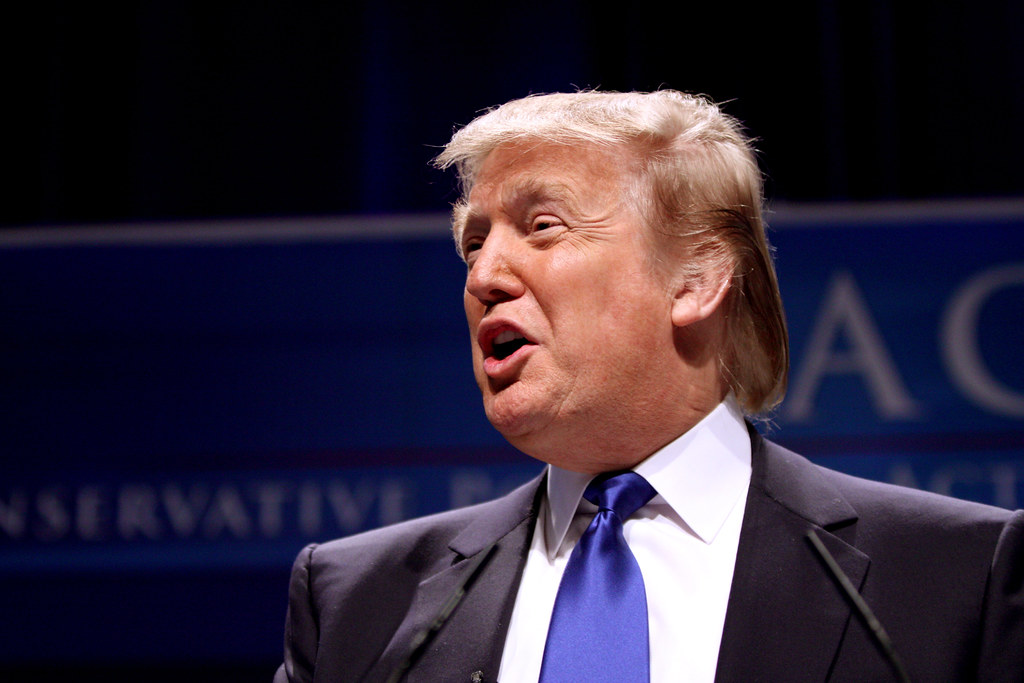

Quick Summary: Media Outlets Barred From White House as Trump Escalates War on Press
- On September 18, 2026, Trump announced a ban on CNN, MS NOW, and Politico, citing ‘fake news.’.
- Within 24 hours, journalists from the banned outlets were denied entry to the White House.
- The White House Correspondents’ Association demanded the immediate restoration of access for the blocked outlets.
- Trump’s ban is seen as a direct challenge to First Amendment press-access protections.
- Trump accused Politico of receiving an $8 million federal subscription under Biden, adding complexity to the ban.
Source: Open external resource
Source: Read original article
In a dramatic escalation of his ongoing feud with the media, former President Donald Trump made good on a threat that many thought was mere bluster. On September 18, 2026, he announced a ban on CNN, MS NOW, and Politico, labeling them as ‘fake news.’ By the next day, journalists from these outlets found themselves barred from the White House, turning Trump’s words into immediate action.
The White House Correspondents’ Association, led by Fox’s Jacqui Heinrich, quickly condemned this move, urging the administration to ‘immediately restore’ access for the affected media. This pushback from the institutional press corps underscores the gravity of the situation, as it challenges the balance between presidential power and First Amendment rights.
Adding fuel to the fire, Trump accused Politico of receiving an ‘illegal and ridiculous $8 million subscription’ from the federal government under President Biden. While this claim lacks court validation, it adds a layer of financial controversy to the already heated debate over press freedom.
Contextually, this ban unfolds against a backdrop of a divided public opinion on press freedom. A recent AP survey revealed that while Americans value press freedom, many also support certain government restrictions on reporting. This sentiment might have emboldened Trump’s swift and controversial action.
As the dust settles, the critical question remains whether this ban is a temporary retaliatory measure or a prelude to a more sustained effort to reshape media access to the presidency. The implications for the traditional media pool, which plays a crucial role in documenting presidential activities, are profound and could disrupt how the public receives independent coverage of the White House.
On Friday, September 18, 2026, Trump announced the ban on CNN, MS NOW and Politico. The biggest new development is that Trump’s threatened ban became real within 24 hours: on Saturday, journalists from CNN, MS NOW and Politico were actually denied entry to the White House after the president announced Friday that he was barring the three outlets over what he called “fake news,” turning a political threat into an immediate access crackdown.
” The White House Correspondents’ Association, led now by Fox’s Jacqui Heinrich, called on the administration Saturday to “immediately restore” access for the blocked outlets, a notable detail because the objection is coming from the institutional press corps rather than only the targeted organizations. AP reported that reporters from all three organizations were blocked from entering the White House on Saturday, the day after Trump publicly declared the ban.
” That dollar figure is one of the most specific claims tied to the ban, and it gives the dispute a second front beyond press freedom: Trump is framing at least part of the move as retaliation for what he says was improper government-media financial support. CNN and AP both describe this as an escalation in a broader anti-press campaign that has already included restrictions on the Associated Press dating back to February 2025 and increasingly personal public attacks on individual reporters.
Four days before the ban, AP published survey reporting showing Americans broadly value press freedom but that at least half also support government restrictions on reporting in some specific circumstances, a backdrop that may help explain the political confidence behind Trump’s move. By Saturday, September 19, the three outlets said their journalists had been denied entry.
That matters because this was not just rhetoric aimed at cable audiences or social media; it altered who could physically report from the White House grounds over the weekend, when network correspondents are normally present if the president is in Washington or at Camp David. In his Friday announcement, Trump said he was banning “fake news CNN, MS NOW … and Politico,” and added that “more such media bans could be coming,” according to AP’s account of the statement and CNN’s on-air transcripts.
Adding fuel to the fire, Trump accused Politico of receiving an ‘illegal and ridiculous $8 million subscription’ from the federal government under President Biden. Trump accused Politico of receiving an $8 million federal subscription under Biden, adding complexity to the ban.
The White House Correspondents’ Association, led by Fox’s Jacqui Heinrich, quickly condemned this move, urging the administration to ‘immediately restore’ access for the affected media. Four days before the ban, AP published survey reporting showing Americans broadly value press freedom but that at least half also support government restrictions on reporting in some specific circumstances, a backdrop that may help explain the political confidence behind Trump’s move.
By Saturday, September 19, the three outlets said their journalists had been denied entry. Trump’s ban is seen as a direct challenge to First Amendment press-access protections.
The scale and speed of this development has caught many observers off guard. Each new update adds another dimension to a story that is still unfolding, and the full picture will only become clear as more verified details emerge from the people and institutions directly involved.
Analysts who have tracked this issue closely say the current moment represents a genuine turning point. The decisions made in the coming weeks are expected to set the direction for months ahead, with ripple effects likely to extend well beyond the immediate actors in the story.
For those directly affected, the practical impact is already visible. People navigating this fast-changing situation are dealing with real consequences while new information continues to reshape what is known and what remains open to interpretation.
Historical parallels offer some context, though experts caution against drawing too close a comparison. Similar situations have played out before, but the specific combination of pressures, personalities, and timing here makes this moment distinct in ways that matter for how it ultimately resolves.
The political and economic dimensions of this story are deeply intertwined. What appears as a single event on the surface is in practice the convergence of multiple pressures that have been building quietly over a longer period than most public reporting has captured.