


Quick Summary: World Bank Backs Nigerias $500 Million AGROW Project for Women Farmers
- BOA and the Federal Ministry of Women Affairs are collaborating on initiatives to empower women in agriculture, signaling a policy shift.
- Over 33,000 women expressed interest in the WAVE financing program within a month, highlighting the demand for financial support.
- BOA has disbursed over ₦8 billion to women farmers, indicating a commitment to supporting women entrepreneurs.
- The World Bank approved a $500 million credit for Nigeria’s AGROW project, focusing on women and youth in agriculture.
- The central issue remains women’s access to finance, land, and agricultural inputs, despite their crucial role in the economy.
Source: Open external resource
Source: Read original article
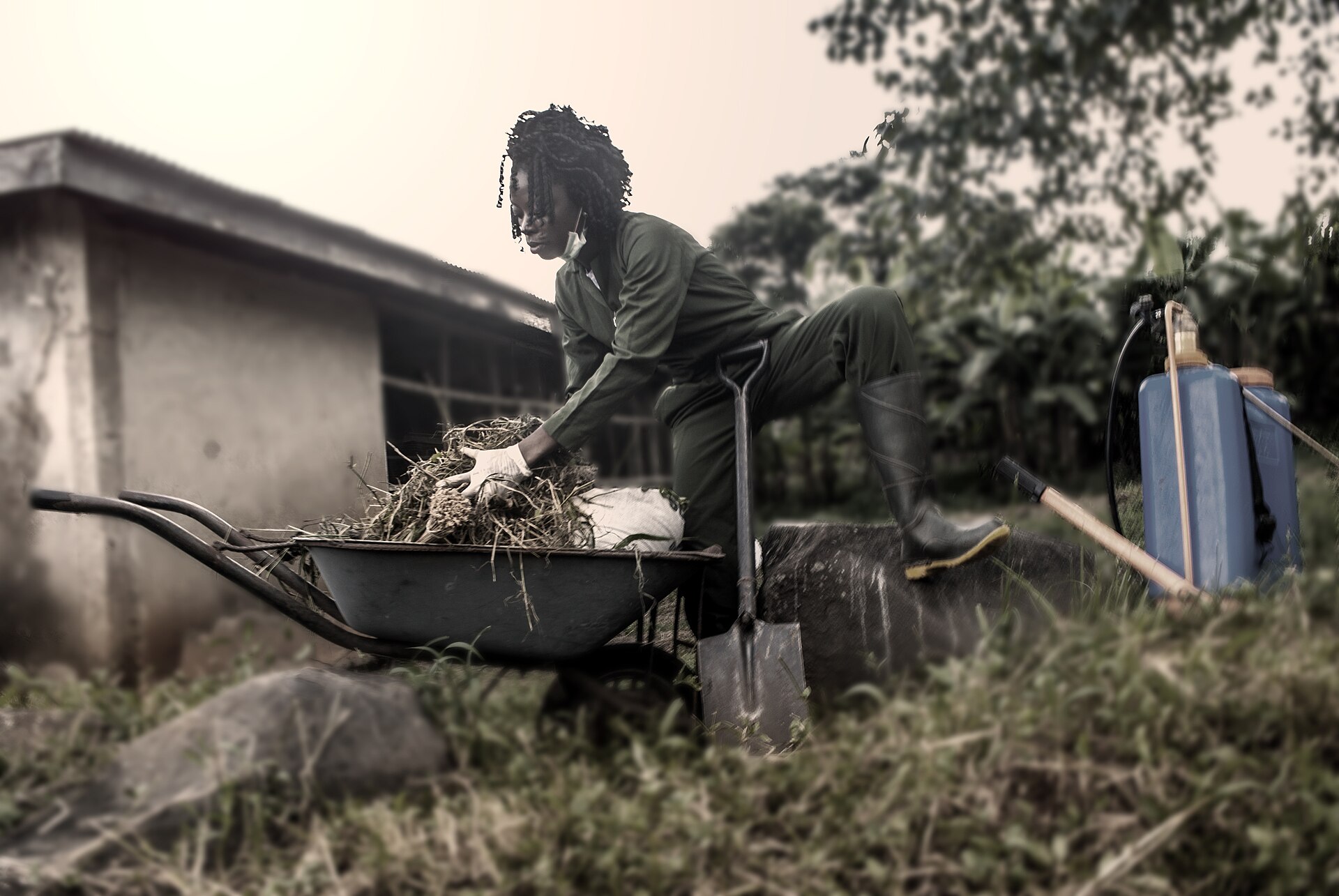
Women farmers are not just a footnote in Nigeria’s economic narrative; they are central to its $1 trillion ambition. The Bank of Agriculture (BOA) chief, Ayo Sotinrin, is pushing beyond rhetoric, aligning with the Federal Ministry of Women Affairs to create a robust financing framework for women in agriculture.
It’s a bold move. Women account for a significant portion of Nigeria’s agricultural workforce, yet they face monumental barriers in accessing credit and resources. Over 33,000 women have already shown interest in the new WAVE financing program, underscoring the urgent need for action rather than mere promises.
Despite the challenges, progress is being made. The BOA has disbursed over ₦8 billion to women farmers, and the World Bank has thrown its weight behind Nigeria’s AGROW project with a $500 million credit, focusing on smallholder productivity and food security.
The real test lies ahead: will these initiatives translate into tangible support for the women farmers who are pivotal to Nigeria’s growth? The success of these programs could redefine agricultural finance in Nigeria, turning potential into prosperity.
The sharpest new development is that Bank of Agriculture chief Ayo Sotinrin is no longer just making a rhetorical case for women farmers’ importance to Nigeria’s $1 trillion ambition; within the past week, BOA and the Federal Ministry of Women Affairs said they would build a new financing framework and launch a pilot plan within one week, turning the claim into an imminent policy test. Reporting published on June 19, 2026 said BOA and the Federal Ministry of Women Affairs agreed to collaborate on the Women’s Agricultural Value Empowerment programme, or WAVE, and on the Nigeria for Women Project Scale-Up initiative.
Women Affairs Minister Imaan Sulaiman-Ibrahim said more than 33,000 women registered interest in WAVE financing in just one month, a figure that underscores both the demand for credit and the political pressure on the government to produce an actual lending pipeline rather than another announcement. On March 9, 2026, the bank said it had disbursed more than ₦8 billion to women farmers and entrepreneurs through programmes including Grow and Earn More, Micro Agric Loan and Micro Non-Agric Loan.
The June 19 reporting said BOA and the ministry agreed to set up technical teams and produce a pilot implementation plan within one week, meaning the immediate deadline falls in late June 2026. The most specific revelation from the latest reporting is the scale BOA is attaching to women’s role in agriculture: Sotinrin said women make up “up to 80 per cent of rural farmers,” account for “nearly half” of participants in Nigeria’s rice value chain, and number between 35 million and 50 million nationwide.
In March, the World Bank approved a $500 million IDA credit for Nigeria’s AGROW project, aimed at increasing smallholder productivity, strengthening value chains and improving food and nutrition security, with an explicit focus on women and youth. ” That tension, between grand economic language about a $1 trillion economy and the very basic barriers women face in borrowing and owning productive assets, is what gives the story its bite.
The new question is whether that ₦8 billion can be scaled into a system large enough to match the rhetoric of national transformation. That is the real test of Sotinrin’s argument that women farmers are key to Nigeria’s $1 trillion economy: not the headline, but whether the promised pilot turns mass demand into disbursed capital.
Reporting published on June 19, 2026 said BOA and the Federal Ministry of Women Affairs agreed to collaborate on the Women’s Agricultural Value Empowerment programme, or WAVE, and on the Nigeria for Women Project Scale-Up initiative. The World Bank approved a $500 million credit for Nigeria’s AGROW project, focusing on women and youth in agriculture.
BOA has disbursed over ₦8 billion to women farmers, indicating a commitment to supporting women entrepreneurs. Women farmers are not just a footnote in Nigeria’s economic narrative; they are central to its $1 trillion ambition.
The BOA has disbursed over ₦8 billion to women farmers, and the World Bank has thrown its weight behind Nigeria’s AGROW project with a $500 million credit, focusing on smallholder productivity and food security. ” That tension, between grand economic language about a $1 trillion economy and the very basic barriers women face in borrowing and owning productive assets, is what gives the story its bite.
The scale and speed of this development has caught many observers off guard. Each new update adds another dimension to a story that is still unfolding, and the full picture will only become clear as more verified details emerge from the people and institutions directly involved.
Analysts who have tracked this issue closely say the current moment represents a genuine turning point. The decisions made in the coming weeks are expected to set the direction for months ahead, with ripple effects likely to extend well beyond the immediate actors in the story.
For those directly affected, the practical impact is already visible. People navigating this fast-changing situation are dealing with real consequences while new information continues to reshape what is known and what remains open to interpretation.
Historical parallels offer some context, though experts caution against drawing too close a comparison. Similar situations have played out before, but the specific combination of pressures, personalities, and timing here makes this moment distinct in ways that matter for how it ultimately resolves.
The political and economic dimensions of this story are deeply intertwined. What appears as a single event on the surface is in practice the convergence of multiple pressures that have been building quietly over a longer period than most public reporting has captured.