


Quick Summary: FIFA’s World Cup Halftime Show Aims to Raise $100 Million for Education
- FIFA’s World Cup halftime show aims to support the Global Citizen Education Fund, targeting $100 million for children’s education and football access.
- FIFA has already raised over $50 million for the fund, with $1 from every World Cup 2026 ticket contributing.
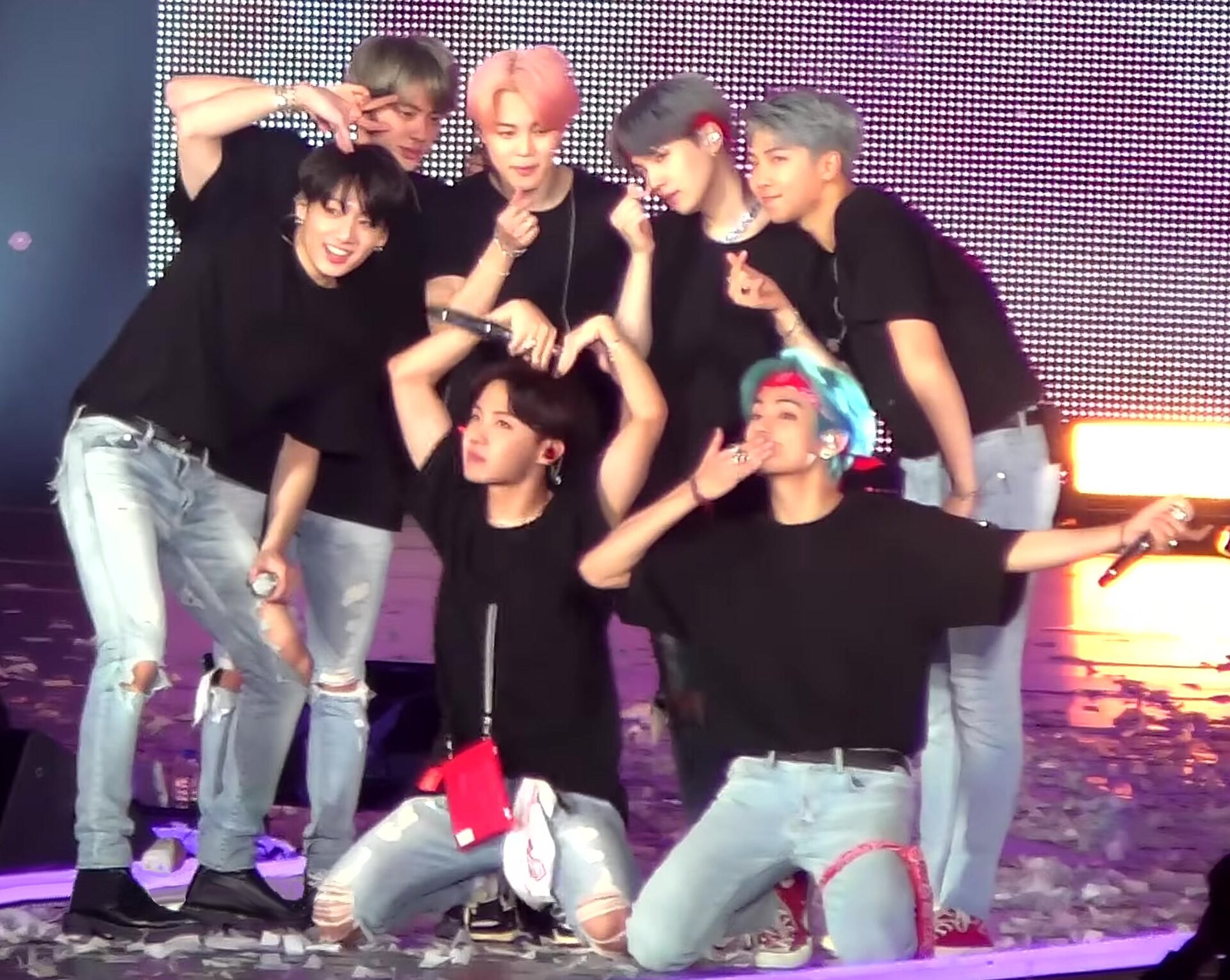
- BTS and other artists are performing for exposure and philanthropy, not for direct fees, countering rumors of multimillion-dollar payments.
- The halftime show includes stars like Justin Bieber and Shakira, sparking criticism for its American-style commercialization.
- FIFA claims the show will reach billions, offering unmatched global visibility to participating artists.
Source: Open external resource
Source: Read original article
BTS’s decision to perform at the FIFA World Cup 2026 halftime show without a paycheck has sparked curiosity and criticism alike. The real story, however, is not about money but about a cause that transcends financial compensation. FIFA, in collaboration with Global Citizen, is transforming the halftime spectacle into a philanthropic endeavor aimed at raising $100 million for children’s education and football access worldwide.
The initiative has already amassed over $50 million, thanks to contributions from World Cup ticket sales. BTS, along with other global icons like Justin Bieber and Shakira, have joined this cause, not for personal gain but for the opportunity to connect with a global audience and support a noble mission. As BTS eloquently put it, “Music is the universal language of hope and harmony, and we’re honored to celebrate that power at the World Cup by connecting with millions of viewers around the world in support of children’s education.”
Despite the noble intentions, the event has not been without controversy. Critics argue that FIFA is importing an American-style entertainment model into the World Cup, diluting the essence of the sport with a commercialized halftime show. This criticism intensified with the addition of Justin Bieber and others, turning the performance into a sprawling all-star event rather than a focused musical act. Yet, for FIFA and its partners, the goal remains clear: leverage star power to shine a light on a greater purpose.
As the July 19 show approaches, it will serve as a litmus test for FIFA’s strategy. Can the blend of celebrity appeal and philanthropy elevate the World Cup’s global reach, or will it be seen as an unnecessary Americanization of the event? The outcome could redefine how future World Cup finals are perceived and organized.
FIFA says the first-ever World Cup final halftime show, set for Sunday, July 19, at New York New Jersey Stadium, is being staged to support the FIFA Global Citizen Education Fund, which aims to raise $100 million for children’s education and football access. FIFA has said $1 from every World Cup 2026 match ticket goes to that fund, and reporting in recent days says the campaign has already raised more than $50 million, up from “more than USD 30 million” in FIFA’s earlier May announcement.
” question has been overtaken by a much larger revelation: FIFA and Global Citizen are openly framing the July 19, 2026 World Cup final performance as a philanthropy-and-exposure play tied to a $100 million education campaign, even as the event itself is drawing fresh backlash for “Americanizing” football and cramming more stars into an already controversial 11-minute show. The false figures circulating online claimed Madonna would get $3,000,000, BTS $2,800,000, Shakira $2,500,000 and Katy Perry $2,200,000, but the reporting around the halftime show has instead converged on the idea that the top-line compensation is not the point.
” AP reported on July 8 that Bieber, Burna Boy, Gustavo Dudamel and the PS22 Chorus were added to the lineup, making the halftime show feel less like a three-act headliner set and more like a sprawling all-star television event. On July 8, AP and FIFA reported Bieber’s addition to the show, confirming the lineup expansion just 11 days before the final.
The practical questions now are whether broadcasters fully carry the performance, how the 11-minute window is actually managed with Bieber, BTS, Madonna, Shakira, Burna Boy and others involved, and whether the show materially boosts the education fund toward its $100 million target. The event is being sold less as a conventional concert booking than as a prestige platform with enormous audience reach: FIFA says the show could be seen by “billions,” and AP reported this week that Justin Bieber has now joined Madonna, Shakira and BTS for the same 11-minute slot, broadening the exposure value even further.
That criticism intensified this week after Bieber’s July 8 addition to the bill. On July 9, more commentary pieces and fan reaction sharpened the criticism that FIFA was overproducing the final and crowding too many major names into an 11-minute slot.
Here’s why it’s – The Times of India FIFA’s World Cup halftime show aims to support the Global Citizen Education Fund, targeting $100 million for children’s education and football access. FIFA, in collaboration with Global Citizen, is transforming the halftime spectacle into a philanthropic endeavor aimed at raising $100 million for children’s education and football access worldwide.
BTS’s decision to perform at the FIFA World Cup 2026 halftime show without a paycheck has sparked curiosity and criticism alike. The initiative has already amassed over $50 million, thanks to contributions from World Cup ticket sales.
The scale and speed of this development has caught many observers off guard. Each new update adds another dimension to a story that is still unfolding, and the full picture will only become clear as more verified details emerge from the people and institutions directly involved.
Analysts who have tracked this issue closely say the current moment represents a genuine turning point. The decisions made in the coming weeks are expected to set the direction for months ahead, with ripple effects likely to extend well beyond the immediate actors in the story.
For those directly affected, the practical impact is already visible. People navigating this fast-changing situation are dealing with real consequences while new information continues to reshape what is known and what remains open to interpretation.
Historical parallels offer some context, though experts caution against drawing too close a comparison. Similar situations have played out before, but the specific combination of pressures, personalities, and timing here makes this moment distinct in ways that matter for how it ultimately resolves.
The political and economic dimensions of this story are deeply intertwined. What appears as a single event on the surface is in practice the convergence of multiple pressures that have been building quietly over a longer period than most public reporting has captured.