

Quick Summary: TRANSECTS Initiative Engages Global Students in South African Conservation
- University of Venda students participated in an international sustainability lab in South Africa — marking the first time the initiative was hosted in the country.
- The programme, part of the TRANSECTS initiative, included participants from 21 institutions across four continents — emphasizing a ‘Global South’ focus.
- Students worked on a real-world conservation project with CapeNature at Robberg Nature Reserve — highlighting practical, interdisciplinary fieldwork.
- Dr Lutendo Mugwedi led a project evaluating cultural ecosystem services — showcasing how conservation can integrate social and cultural values.
- The University of Venda is uniquely situated within a UNESCO Biosphere Reserve — positioning itself as a hub for biodiversity and sustainability research.
Source: Open external resource
Source: Read original article
The University of Venda is not just teaching conservation; it’s revolutionizing it. By embedding its students in a global network of sustainability labs, UNIVEN is turning conservation education into a dynamic, real-world experience. This month, UNIVEN students participated in a groundbreaking international sustainability lab in South Africa, a first for the country, under the TRANSECTS programme.
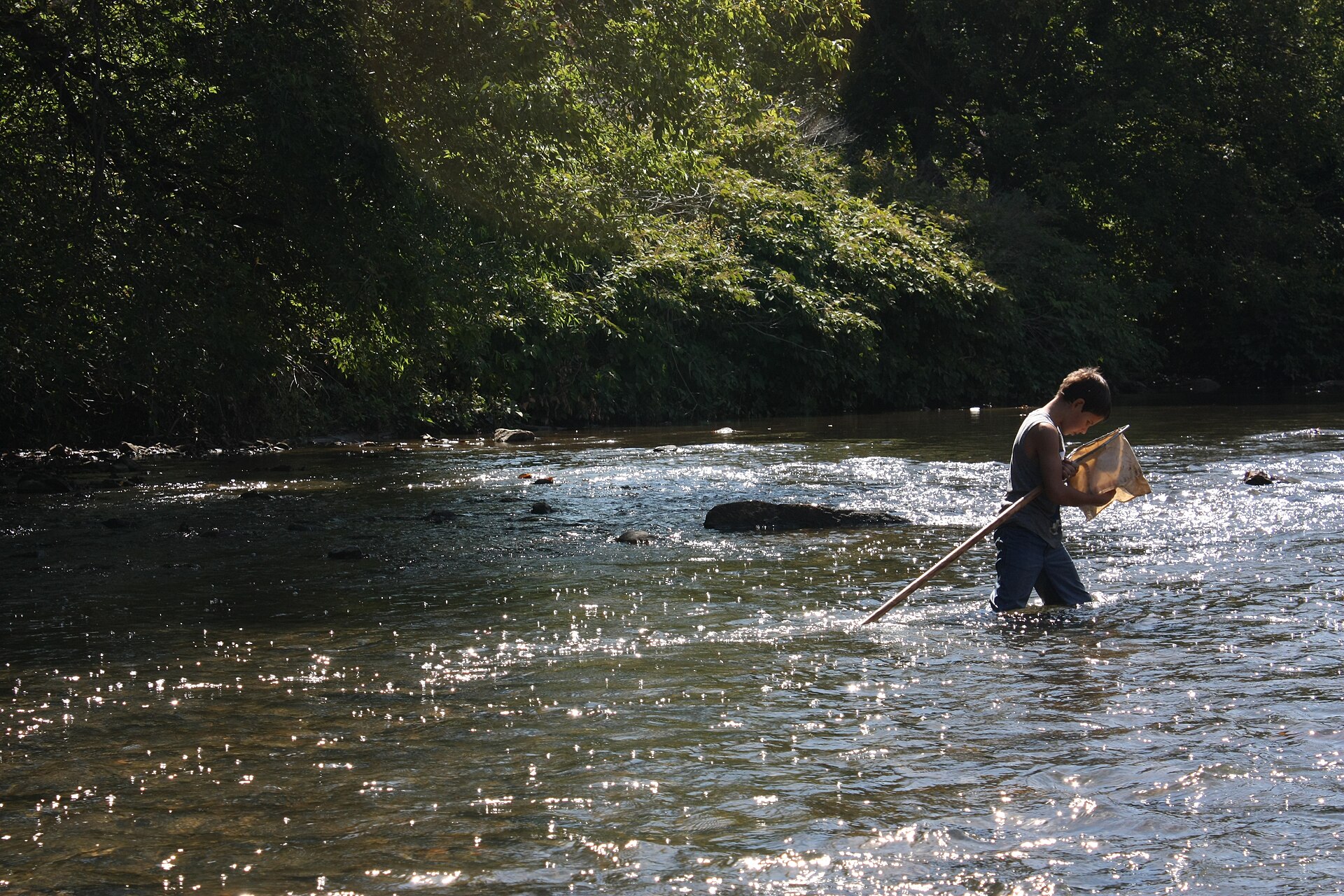
This initiative, which gathered participants from 21 institutions across four continents, is more than just an educational exchange. It’s a shift in conservation pedagogy, emphasizing a ‘Global South’ perspective. Students didn’t just sit in classrooms; they engaged in hands-on conservation work at Robberg Nature Reserve with CapeNature, applying their knowledge in unpredictable, real-world contexts.
Led by Dr. Lutendo Mugwedi, the students evaluated cultural ecosystem services, pushing the boundaries of traditional conservation teaching. This approach integrates recreation, spiritual enrichment, and cultural heritage into the conservation conversation, reflecting a broader understanding of ecosystem value.
UNIVEN’s unique position within the UNESCO Vhembe Biosphere Reserve allows it to tackle the challenging balance between rural development and ecosystem preservation. With a SARChI chair focused on biodiversity, UNIVEN is not just participating in global conservation efforts but leading them, positioning itself as a crucial hub for biodiversity and sustainability in the region.
In essence, UNIVEN’s approach is a bold stride toward a new conservation education model. By integrating international collaboration and fieldwork, UNIVEN is preparing its students to navigate and influence the complex landscape of global environmental challenges.
UNIVEN says the initiative was launched in 2021 under Professor Maureen Reed of the University of Saskatchewan and that its inaugural Learning Lab was held in Germany in 2023, followed by Canada in 2024, before shifting this year to South Africa with a stronger “Global South” emphasis. The department further highlights a SARChI chair on “Biodiversity value and change in the Vhembe Biosphere Reserve,” chaired by Professor PJ Taylor.
The timing also suggests a broader push by UNIVEN to showcase research-facing student training in June 2026. ” The registration deadline listed was 12 June 2026.
UNIVEN says Dr Lutendo Mugwedi of the Department of Environmental Sciences led a collaborative research project that evaluated the reserve’s “cultural ecosystem services,” with the team conducting structured interviews and surveys. The University of Venda’s Biological Sciences department says it is “the only Zoology Department in the world situated within a UNESCO Biosphere Reserve,” the Vhembe Biosphere Reserve, and states that its work is explicitly aimed at resolving conflicts between “rapidly developing rural communities and ecosystems” so that ecosystem services are not irreparably damaged.
That means the likely next phase for stories like this is institutional amplification: students who gained field experience through programmes such as TRANSECTS may be funneled into public research showcases, awards, and future partnership-building over the next month. The standout new development is that University of Venda students were not just taught conservation in the classroom but were folded into a live international sustainability lab in South Africa this month, with UNIVEN saying the programme brought together partners from 21 institutions across four continents and marked the first time the initiative was hosted in South Africa.
The central debate driving the story is therefore not a political scandal but a live academic and policy tension over how conservation should be taught and practiced — through conventional expert-led science alone, or through co-created, community-facing work that treats local knowledge and stakeholder interests as part of the evidence base. That South African handover is the clearest fresh angle: the university is framing it as a global conservation teaching model that has now moved from Northern institutions into a South African biosphere reserve setting.
The department further highlights a SARChI chair on “Biodiversity value and change in the Vhembe Biosphere Reserve,” chaired by Professor PJ Taylor. Quick Summary: UNIVEN Honours Students Gain Global Conservation Insight Through Innovative Teaching – University of Venda University of Venda students participated in an international sustainability lab in South Africa — marking the first time the initiative was hosted in the country.
The programme, part of the TRANSECTS initiative, included participants from 21 institutions across four continents — emphasizing a ‘Global South’ focus. This initiative, which gathered participants from 21 institutions across four continents, is more than just an educational exchange.
The University of Venda’s Biological Sciences department says it is “the only Zoology Department in the world situated within a UNESCO Biosphere Reserve,” the Vhembe Biosphere Reserve, and states that its work is explicitly aimed at resolving conflicts between “rapidly developing rural communities and ecosystems” so that ecosystem services are not irreparably damaged. Students worked on a real-world conservation project with CapeNature at Robberg Nature Reserve — highlighting practical, interdisciplinary fieldwork.
The University of Venda is not just teaching conservation; it’s revolutionizing it. This month, UNIVEN students participated in a groundbreaking international sustainability lab in South Africa, a first for the country, under the TRANSECTS programme.
It’s a shift in conservation pedagogy, emphasizing a ‘Global South’ perspective. Students didn’t just sit in classrooms; they engaged in hands-on conservation work at Robberg Nature Reserve with CapeNature, applying their knowledge in unpredictable, real-world contexts.
The scale and speed of this development has caught many observers off guard. Each new update adds another dimension to a story that is still unfolding, and the full picture will only become clear as more verified details emerge from the people and institutions directly involved.
Analysts who have tracked this issue closely say the current moment represents a genuine turning point. The decisions made in the coming weeks are expected to set the direction for months ahead, with ripple effects likely to extend well beyond the immediate actors in the story.
For those directly affected, the practical impact is already visible. People navigating this fast-changing situation are dealing with real consequences while new information continues to reshape what is known and what remains open to interpretation.
Historical parallels offer some context, though experts caution against drawing too close a comparison. Similar situations have played out before, but the specific combination of pressures, personalities, and timing here makes this moment distinct in ways that matter for how it ultimately resolves.
The political and economic dimensions of this story are deeply intertwined. What appears as a single event on the surface is in practice the convergence of multiple pressures that have been building quietly over a longer period than most public reporting has captured.