


Quick Summary: Lando Norris Secures Pole as Hungaroring Faces Weather Challenges
- McLaren’s Lando Norris took pole position, highlighting the impact of track conditions over pure speed.
- Officials are closely monitoring repaired track sections due to a 40% rain risk during the race.
- Race day temperatures are expected to reach 32C with track temperatures around 50C.
- Track upgrades have become a concern, drawing comparisons to Monaco’s resurfacing issues earlier in 2026.
- Hot, dry conditions have caused sub-surface settlement, worsening track bumps at key turns.
Source: Open external resource
Source: Read original article
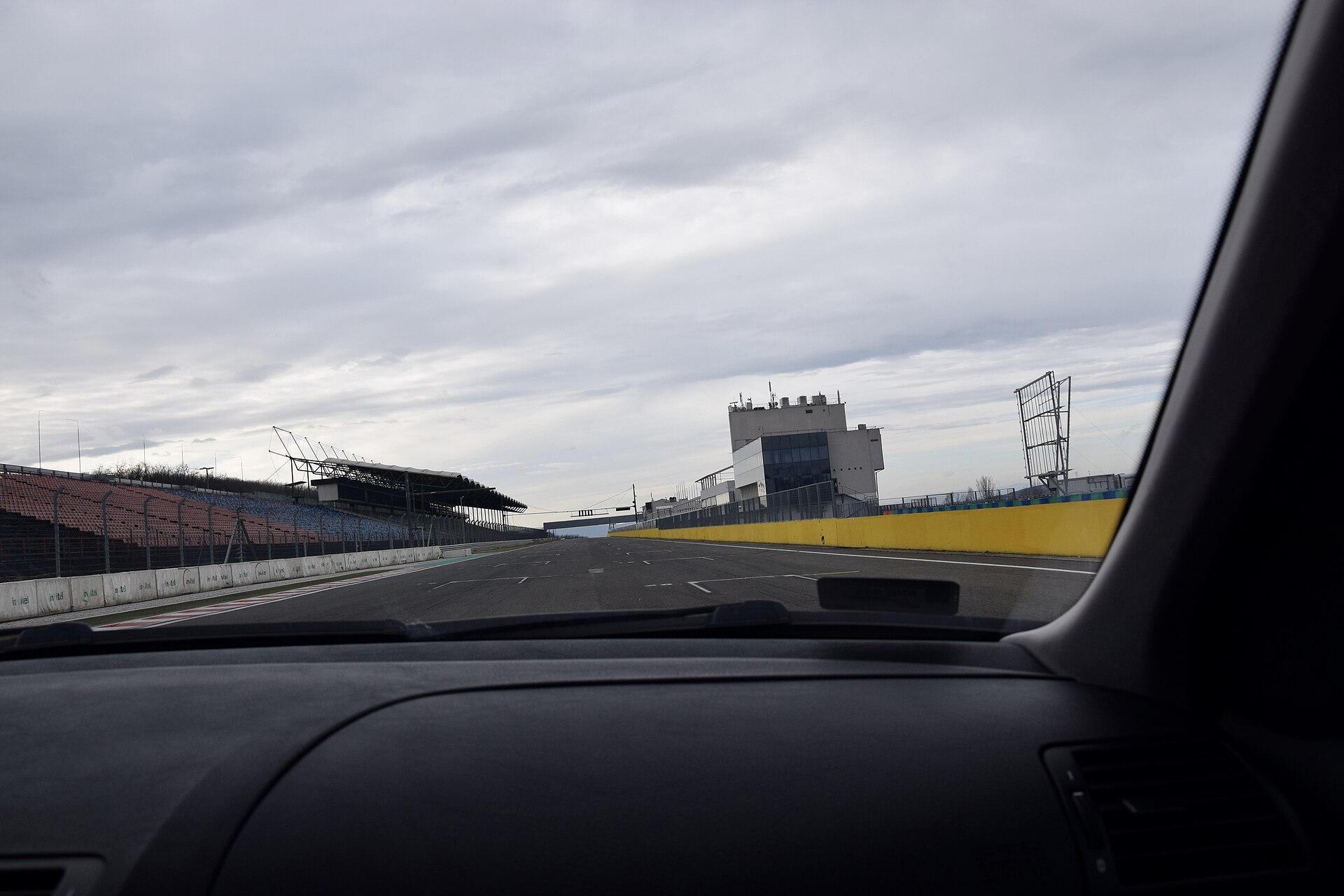
The Hungaroring is under scrutiny as weather and track conditions threaten to overshadow the Formula 1 race on July 26, 2026. While the forecast predicts a 40% chance of rain later in the day, the real issue lies with the newly resurfaced track, which has already shown signs of instability. Lando Norris is at the center of this development.
Drivers and teams are voicing concerns over the track’s condition, with McLaren’s Lando Norris securing pole position by mastering the unpredictable surface. The resurfacing, intended to modernize the circuit, has instead introduced new challenges akin to those seen in Monaco earlier this year.
Officials are vigilant, with overnight repairs focusing on critical areas like Turn 1. The hot weather has exacerbated the situation, causing the track to open up at several turns, raising the stakes for race day. The question remains whether the circuit can withstand the pressures of a full grand prix.
As the race approaches, the focus shifts from the anticipated upgrades to the immediate concerns of track integrity and weather conditions. Whether rain arrives or not, the Hungaroring’s condition is set to play a pivotal role in the race outcome.
” Norris nevertheless took McLaren’s first pole of 2026, with Ferrari’s Lewis Hamilton second, a sign that outright pace is being filtered through who can best manage the surface rather than simply who has the fastest car. What happens next is immediate and unusually consequential: officials will keep monitoring the repaired sections and the deteriorating final corner through Sunday’s race, while teams will have to judge whether the 40% rain risk after 1500 remains harmlessly late or shifts into the event window.
Formula 1’s official forecast says race day should reach 32C with track temperatures around 50C and a 40% chance of precipitation after 1500, though “weather interference during the Grand Prix is unlikely” because most rain is expected after the session. Instead, the track upgrade itself has become the headline, with comparisons already being drawn to Monaco earlier in 2026, where a similar resurfacing issue became serious enough to trigger a red flag for emergency repairs.
com reported that hot, dry summer conditions may have caused sub-surface settlement, worsening bumps, while the surface was also said to be opening up at Turns 1, 12 and 13. After complaints in Friday’s drivers’ briefing, race director Rui Marques and other officials inspected the track Friday night, and overnight repair work focused on Turn 1, the circuit’s key overtaking zone.
Pirelli has added a technical warning that makes the weather angle more serious than a routine forecast item. But that forecast now sits alongside FIA monitoring of asphalt that is “opening up,” especially after practice exposed loose stones, off-line dirt and grip inconsistencies on resurfaced sections at Turns 1 and 12 and through the final corner.
The central conflict is now between organizers trying to present the upgraded, 40th-anniversary Hungaroring as modernized and race-ready, and drivers, tyre specialists and the FIA confronting evidence that the new surface may be unstable under real grand prix loads. A surprising twist is that the pre-race narrative was supposed to be about upgrades helping teams, especially Aston Martin’s 16-change package, and about the Hungaroring celebrating its anniversary with renamed corners honoring stars including Lewis Hamilton.
While the forecast predicts a 40% chance of rain later in the day, the real issue lies with the newly resurfaced track, which has already shown signs of instability. Instead, the track upgrade itself has become the headline, with comparisons already being drawn to Monaco earlier in 2026, where a similar resurfacing issue became serious enough to trigger a red flag for emergency repairs.
The scale and speed of this development has caught many observers off guard. Each new update adds another dimension to a story that is still unfolding, and the full picture will only become clear as more verified details emerge from the people and institutions directly involved.
Analysts who have tracked this issue closely say the current moment represents a genuine turning point. The decisions made in the coming weeks are expected to set the direction for months ahead, with ripple effects likely to extend well beyond the immediate actors in the story.
For those directly affected, the practical impact is already visible. People navigating this fast-changing situation are dealing with real consequences while new information continues to reshape what is known and what remains open to interpretation.
Historical parallels offer some context, though experts caution against drawing too close a comparison. Similar situations have played out before, but the specific combination of pressures, personalities, and timing here makes this moment distinct in ways that matter for how it ultimately resolves.
The political and economic dimensions of this story are deeply intertwined. What appears as a single event on the surface is in practice the convergence of multiple pressures that have been building quietly over a longer period than most public reporting has captured.