


Quick Summary: Trumps Address Revives Debate on Federal Voting Rules
- Major U.S. networks limited live broadcast of Trump’s address — signaling distrust of his election claims.
- Trump’s speech focused on election conspiracies — without providing new evidence of fraud.
- Networks faced a dilemma: air potential falsehoods or risk backlash from the White House.
- Trump criticized media outlets for not covering his speech live — highlighting ongoing media tensions.
- The address reignited debates on federal voting rules — with potential policy impacts ahead of midterms.
Source: Open external resource
Source: Read original article
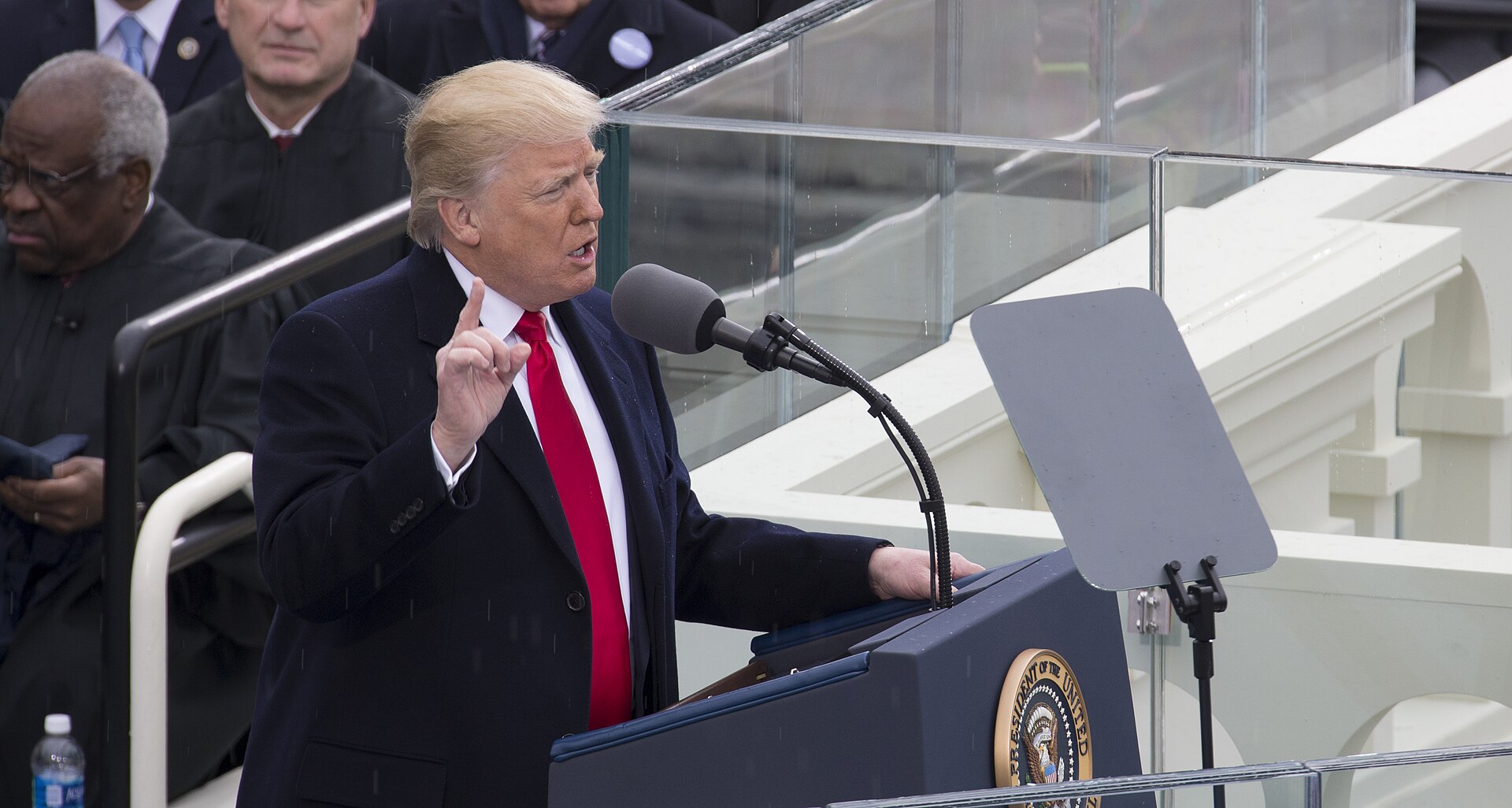
In a move that underscores the deepening divide between media and politics, major U.S. television networks chose not to broadcast Donald Trump’s national address live. The decision was a bold statement, reflecting a collective skepticism towards the former president’s persistent claims of election fraud. Trumps is at the center of this development.
Trump’s address, which he had billed as a major announcement on elections and voting machines, ultimately rehashed long-debunked allegations about the 2020 election. Despite the hype, the speech lacked any new evidence to substantiate claims of widespread voter fraud. This left networks in a precarious position, balancing the risk of airing potential misinformation against the ire of a White House known for its aggressive stance on media coverage.
The refusal to air the speech live was not just about editorial caution; it was a significant moment of media gatekeeping. By choosing to limit coverage, networks like ABC, NBC, and CNN took a stand on the responsibility of broadcasting unverified claims. Trump’s criticism of these networks for their decision only added fuel to the ongoing tension between him and the media.
As the dust settles from this latest media skirmish, the broader implications loom large. Trump’s focus on election conspiracies could have real policy consequences, particularly as he pressures Republicans to tighten federal voting laws ahead of the upcoming midterms. The narrative battle over U.S. elections continues, with the stakes as high as ever.
On the other side, CNN’s Zachary Cohen said the declassified material discussed around the address did not support claims that prior election results, including 2020, were altered in a way that changed the outcome. Axios reported that Trump’s speech “traps TV networks” because they had to choose between airing possible 2020 falsehoods or provoking a White House that has shown willingness to attack the press.
By the evening of July 16, major networks had decided against straightforward live broadcast treatment, and AP’s late report on the address said Trump proceeded to revisit long-disputed 2020 claims anyway. But the most revealing shift in the latest reporting was not a documented new fraud claim; it was the refusal by outlets including ABC, NBC and CNN to simply relay the speech unfiltered after Trump spent days signaling he would revive debunked claims about the 2020 election.
The substantive controversy remains Trump’s effort to use the machinery and prestige of a presidential national address to push conspiracy-laden election arguments tied to his 2020 loss to Joe Biden. The latest Washington Post and AP reporting said Trump planned to focus on elections and voting machines and has recently intensified pressure on Republicans to pass tighter federal voting rules before the November midterms.
5 million to settle defamation claims over false 2020 election narratives, a figure now repeatedly resurfacing in coverage of the new address because Trump again invoked voting machines. ” That made the core story a confrontation over whether a sitting president should get automatic primetime access for claims broadcasters fear are false.
AP’s account of the speech said Trump again raised allegations about interference and influence but “did not produce evidence” that votes were manipulated or that the election outcome changed, which is crucial because the dispute is no longer just over rhetoric but over whether federal power is being used to relitigate a settled result. That number matters because it quantifies the legal and financial risk around broadcasting unsupported election accusations, and it helps explain why networks this week were so cautious about carrying the president live.
Networks faced a dilemma: air potential falsehoods or risk backlash from the White House. The address reignited debates on federal voting rules — with potential policy impacts ahead of midterms.
The scale and speed of this development has caught many observers off guard. Each new update adds another dimension to a story that is still unfolding, and the full picture will only become clear as more verified details emerge from the people and institutions directly involved.
Analysts who have tracked this issue closely say the current moment represents a genuine turning point. The decisions made in the coming weeks are expected to set the direction for months ahead, with ripple effects likely to extend well beyond the immediate actors in the story.
For those directly affected, the practical impact is already visible. People navigating this fast-changing situation are dealing with real consequences while new information continues to reshape what is known and what remains open to interpretation.
Historical parallels offer some context, though experts caution against drawing too close a comparison. Similar situations have played out before, but the specific combination of pressures, personalities, and timing here makes this moment distinct in ways that matter for how it ultimately resolves.
The political and economic dimensions of this story are deeply intertwined. What appears as a single event on the surface is in practice the convergence of multiple pressures that have been building quietly over a longer period than most public reporting has captured.