


Quick Summary: Fréchette Dissolves Legislature, Targets Trump in Quebec Election
- Parti Québécois leader Paul St-Pierre Plamondon delayed a sovereignty referendum until Trump is out of office in 2029, shifting focus from independence to economic concerns.
- Conservative leader Éric Duhaime proposed a significant tax cut, raising Quebec’s basic personal amount from $18,952 to $35,242, highlighting economic issues.
- Quebec faces the highest effective tariff rate on exports among Canadian provinces, intensifying the economic stakes with Trump’s trade policies.
- Fréchette dissolved the legislature, framing the election as a mandate to protect Quebec from U.S. trade tensions, positioning Trump as the main adversary.
- Polls show the Parti Québécois leading, but with only 30% support for sovereignty, indicating shifting voter priorities.
Source: Open external resource
Source: Read original article
In a bold political maneuver, Quebec’s Coalition Avenir Québec leader Christine Fréchette has redefined the provincial election landscape by naming Donald Trump as the true adversary. This unexpected declaration aims to pivot the October 5 election away from traditional sovereignty debates, instead focusing on the economic impact of Trump’s trade policies.
Fréchette’s strategy is clear: position her party as the defender of Quebec’s economic interests amid escalating trade tensions with the U.S. Her dissolution of the legislature on August 27 underscores a call to action, urging voters to support a government that can navigate these turbulent times. Meanwhile, Parti Québécois leader Paul St-Pierre Plamondon has adjusted his stance, postponing a sovereignty referendum until Trump’s term ends, acknowledging the disruptive influence of U.S. policies.
Quebec’s political landscape is further complicated by economic realities. A National Bank report highlights Quebec’s vulnerability, with the highest effective tariff rate on exports among Canadian provinces. This economic pressure is reshaping traditional political narratives, as seen in Conservative leader Éric Duhaime’s proposal for a substantial tax cut, shifting the election dialogue towards affordability and fiscal policy.
As Quebec heads towards the October 5 vote, the election’s outcome remains uncertain. With the Parti Québécois leading in polls but with limited support for sovereignty, the campaign’s focus on Trump’s influence and economic issues could redefine voter priorities. Analysts suggest that anything can happen, as many Quebecers remain undecided, making this election a dynamic battleground.
Ultimately, this election could either reinforce Quebec’s sovereignty aspirations or highlight the pragmatic need to address immediate economic challenges posed by external forces. As the campaign unfolds, Quebec’s political future hangs in the balance, shaped by both local ambitions and international pressures.
Parti Québécois leader Paul St-Pierre Plamondon, who had promised a referendum in a first term, shifted position a week before the campaign began and said a PQ government would not call one until Trump is out of office in 2029. CityNews reported that taxes, parental leave and affordability moved to the forefront, and Conservative leader Éric Duhaime proposed what he called a “historic” tax cut by raising Quebec’s basic personal amount from $18,952 to $35,242.
Quebec Liberal leader Charles Milliard is using Trump to argue against sovereignty, saying, “In the context of an international trade war, we’re stronger as 41 million people,” a direct appeal to staying inside Canada. ” That is the clearest and most important development in the latest reporting: the governing party is not just reacting to Trump’s tariffs, it is explicitly reframing the October 5, 2026 election around him, betting that economic anxiety and cross-border tension can blunt the Parti Québécois’ long-running sovereignty push.
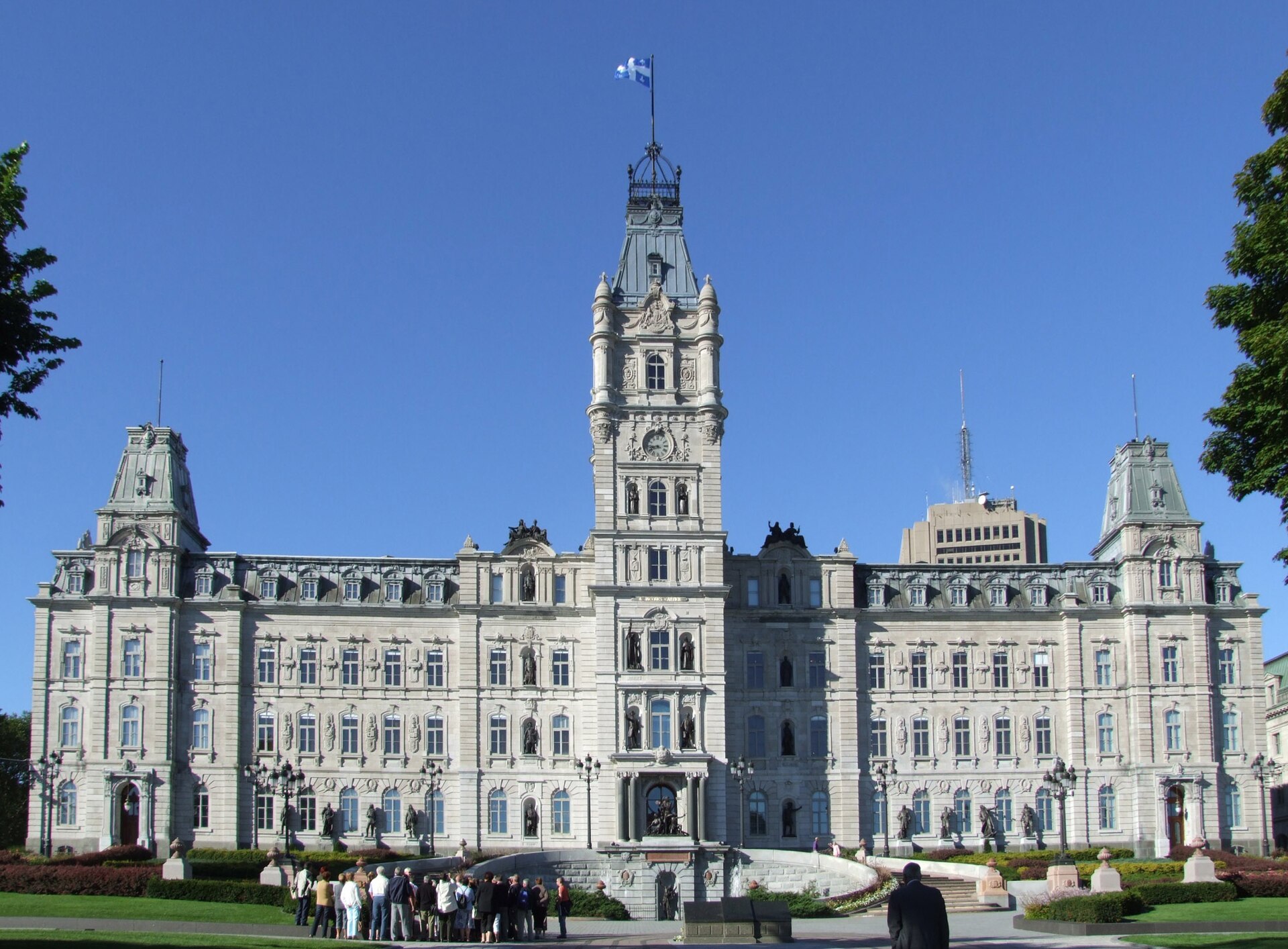
1 million people and roughly 80 percent French speakers, has broad autonomy already, including its own income-tax system and immigration policies favoring francophones, which raises the stakes of any argument about whether more separation would provide security or instability. Fréchette dissolved the legislature in Quebec City on Thursday, August 27, and said she wanted “a mandate to move forward through a storm,” arguing her party is best placed to protect Quebec workers and businesses as trade friction with Washington intensifies.
Another recent poll analysis reported the PQ still ahead while the CAQ and Liberals were effectively tied for second, and CityNews reported that only about 30 percent of Quebecers currently say they would vote for sovereignty in a referendum. The most striking economic detail in this week’s reporting is that a National Bank report released just before the campaign found Quebec faces the highest effective tariff rate on exports among all Canadian provinces.
Analysts told CityNews that “anything can happen” because many Quebecers remain movable, and one poll earlier this month found nearly one in two voters had not made a final choice. But analysts quoted this week are split on who ultimately benefits.
Conservative leader Éric Duhaime proposed a significant tax cut, raising Quebec’s basic personal amount from $18,952 to $35,242, highlighting economic issues. Polls show the Parti Québécois leading, but with only 30% support for sovereignty, indicating shifting voter priorities.
Fréchette dissolved the legislature in Quebec City on Thursday, August 27, and said she wanted “a mandate to move forward through a storm,” arguing her party is best placed to protect Quebec workers and businesses as trade friction with Washington intensifies. A National Bank report highlights Quebec’s vulnerability, with the highest effective tariff rate on exports among Canadian provinces.
The most striking economic detail in this week’s reporting is that a National Bank report released just before the campaign found Quebec faces the highest effective tariff rate on exports among all Canadian provinces. Analysts told CityNews that “anything can happen” because many Quebecers remain movable, and one poll earlier this month found nearly one in two voters had not made a final choice.
The scale and speed of this development has caught many observers off guard. Each new update adds another dimension to a story that is still unfolding, and the full picture will only become clear as more verified details emerge from the people and institutions directly involved.
Analysts who have tracked this issue closely say the current moment represents a genuine turning point. The decisions made in the coming weeks are expected to set the direction for months ahead, with ripple effects likely to extend well beyond the immediate actors in the story.
For those directly affected, the practical impact is already visible. People navigating this fast-changing situation are dealing with real consequences while new information continues to reshape what is known and what remains open to interpretation.
Historical parallels offer some context, though experts caution against drawing too close a comparison. Similar situations have played out before, but the specific combination of pressures, personalities, and timing here makes this moment distinct in ways that matter for how it ultimately resolves.
The political and economic dimensions of this story are deeply intertwined. What appears as a single event on the surface is in practice the convergence of multiple pressures that have been building quietly over a longer period than most public reporting has captured.