


Quick Summary: Trumps Threat to Irans Pickaxe Mountain Raises Military Concerns
- Trump’s threat to “blow up” Pickaxe Mountain underscores its significance as a military concern amid ongoing talks.
- Trump’s UN speech presented Iran with a choice between a deal or military action, highlighting his maximum-pressure approach.
- Trump’s backchannel meeting with Iranian representatives lasted three hours, involving key figures like Steve Witkoff and Jared Kushner.
- Iran’s response to Trump’s threats was swift, condemning his remarks as domestic propaganda.
- The GCC meeting was part of a broader mediation effort, not just saber-rattling, involving discussions on postwar strategy.
Source: Open external resource
Source: Read original article
Donald Trump’s recent threat to “blow up” Iran’s Pickaxe Mountain during the Gulf Cooperation Council meeting is not just another instance of his characteristic bluster. It’s a calculated move that reveals the administration’s ongoing concerns over Iran’s fortified nuclear sites, even as diplomatic talks continue.
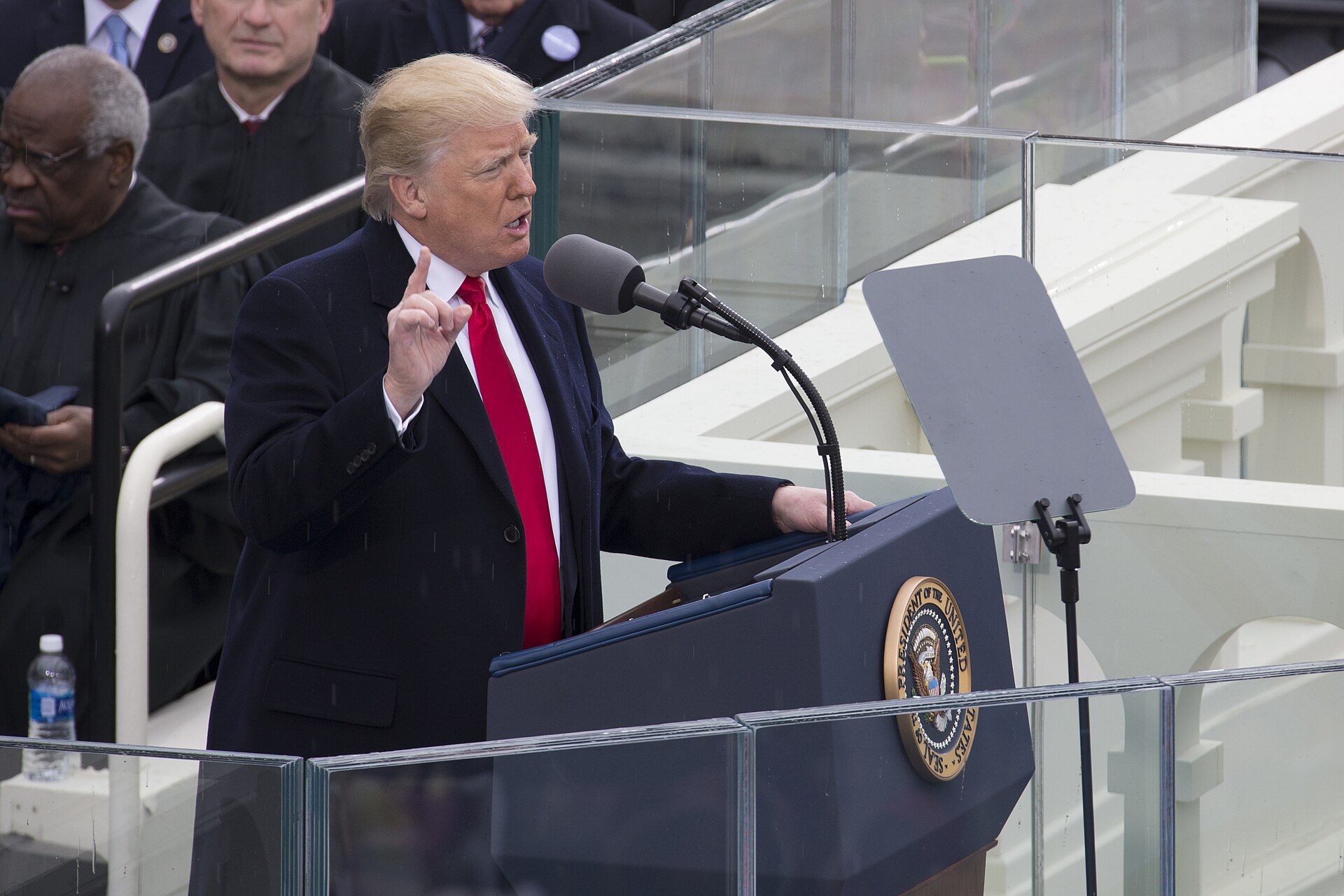
In a dramatic juxtaposition of rhetoric and diplomacy, Trump’s fiery UN speech offered Iran a stark choice: negotiate a deal to “rebuild” or face potential military action. This binary framing is emblematic of Trump’s maximum-pressure strategy, which he claims could resolve the nuclear threat “right after the midterm elections.”
The Economic Times reports that Trump’s unexpected three-hour meeting with Iranian representatives, including Steve Witkoff and Jared Kushner, was described as “very good.” This meeting, held in New York, suggests that despite the heated rhetoric, there is still room for dialogue, albeit under intense pressure.
Iran’s immediate and strong response to Trump’s threats, labeling them as “domestic propaganda,” highlights the heightened tensions. Yet, this latest confrontation unfolds amid an active Arab mediation effort, indicating a complex interplay between threats of force and diplomatic negotiations.
The significance of Pickaxe Mountain as a symbol of unresolved military objectives cannot be overstated. Trump’s threat to target this site is a potent reminder of the stakes involved, even as talks facilitated by Arab intermediaries continue. The outcome of these negotiations, particularly regarding the Strait of Hormuz and sanctions relief, remains to be seen.
Trump’s threat to “blow up” the site is potent because it suggests the administration still views the hardened mountain complex as a live nuclear or military problem, even as talks resume. ” The sharpest development in the latest reporting is not simply the threat itself, but the whiplash between escalation and diplomacy on September 22 and 23.
According to Economic Times reporting on September 23, Trump said, “The meeting went very well. ” AP also reported that Secretary of State Marco Rubio said Trump was open to meeting Iranian President Masoud Pezeshkian while both were in New York.
confirms another mediated session, whether Trump meets additional Gulf or Iranian officials before the UN high-level debate concludes on September 28, and whether Tehran offers any concrete concession on shipping or nuclear restrictions in exchange for relief. ” Those figures matter because the Strait of Hormuz and energy flows have become leverage points in the talks, with Tehran reportedly tying any reopening terms to sanctions relief and military de-escalation.
” That response crystallizes the controversy: Washington says it is deterring Iran and protecting shipping, while Tehran says Trump is weaponizing global institutions and the threat of force for political theater. But the surprise is that the immediate next step is not an announced strike timetable.
In the Economic Times’ account of the Gulf Cooperation Council meeting and related UN remarks, Trump framed Iran as facing a stark binary: a deal that lets it “rebuild” or fresh military action against the deeply fortified Pickaxe Mountain site. ” That pairing of maximum-pressure rhetoric with immediate talks is what now defines the story.
According to Economic Times reporting on September 23, Trump said, “The meeting went very well. confirms another mediated session, whether Trump meets additional Gulf or Iranian officials before the UN high-level debate concludes on September 28, and whether Tehran offers any concrete concession on shipping or nuclear restrictions in exchange for relief.
Trump’s UN speech presented Iran with a choice between a deal or military action, highlighting his maximum-pressure approach. Donald Trump’s recent threat to “blow up” Iran’s Pickaxe Mountain during the Gulf Cooperation Council meeting is not just another instance of his characteristic bluster.
It’s a calculated move that reveals the administration’s ongoing concerns over Iran’s fortified nuclear sites, even as diplomatic talks continue. In a dramatic juxtaposition of rhetoric and diplomacy, Trump’s fiery UN speech offered Iran a stark choice: negotiate a deal to “rebuild” or face potential military action.
Iran’s immediate and strong response to Trump’s threats, labeling them as “domestic propaganda,” highlights the heightened tensions. Trump’s threat to target this site is a potent reminder of the stakes involved, even as talks facilitated by Arab intermediaries continue.
The scale and speed of this development has caught many observers off guard. Each new update adds another dimension to a story that is still unfolding, and the full picture will only become clear as more verified details emerge from the people and institutions directly involved.
Analysts who have tracked this issue closely say the current moment represents a genuine turning point. The decisions made in the coming weeks are expected to set the direction for months ahead, with ripple effects likely to extend well beyond the immediate actors in the story.
For those directly affected, the practical impact is already visible. People navigating this fast-changing situation are dealing with real consequences while new information continues to reshape what is known and what remains open to interpretation.
Historical parallels offer some context, though experts caution against drawing too close a comparison. Similar situations have played out before, but the specific combination of pressures, personalities, and timing here makes this moment distinct in ways that matter for how it ultimately resolves.
The political and economic dimensions of this story are deeply intertwined. What appears as a single event on the surface is in practice the convergence of multiple pressures that have been building quietly over a longer period than most public reporting has captured.