


Quick Summary: Sri Lanka Police Marks 160th Anniversary With Focus on Ethics Over Tradition
- Sri Lanka Police used its 160th anniversary to address a credibility crisis — aiming for a moral reset rather than just celebration.
- Inspector General Priyantha Weerasuriya led religious observances on September 3 — focusing on sacrifice and remembrance over traditional ceremonies.
- The Daily Mirror highlighted the anniversary as a test for restoring public confidence — emphasizing ethics over authority.
- Advanced technologies like biometrics and hotlines were showcased — signaling modernization alongside tradition.
- The police leadership’s public acknowledgment of ethical challenges marks a shift — setting expectations for future reforms.
Source: Open external resource
Source: Read original article
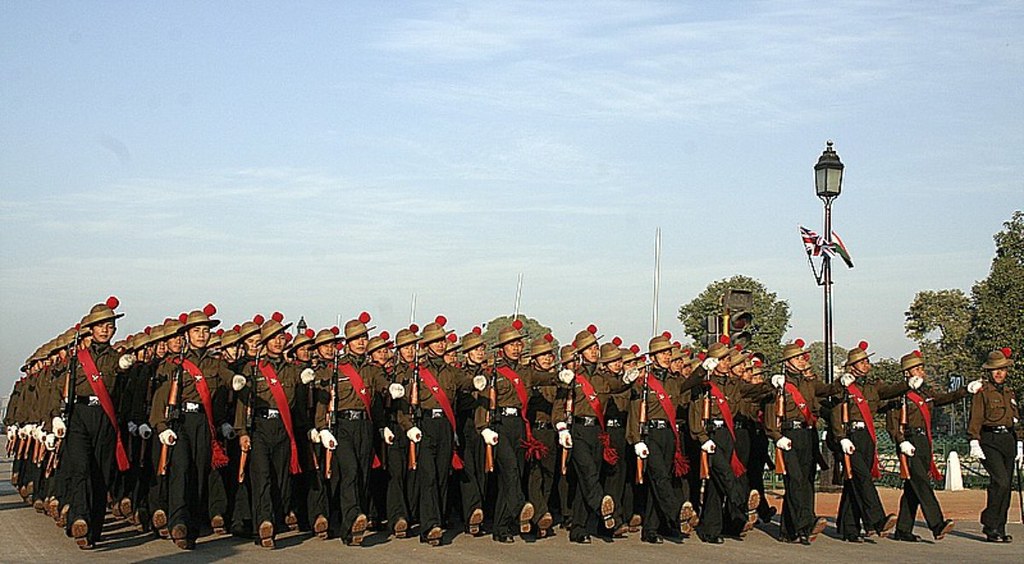
Sri Lanka’s Police Day this year was not just another ceremonial event; it was a bold attempt by the police leadership to confront the force’s credibility issues head-on. Marking its 160th anniversary, the Sri Lanka Police opted for religious observances led by Inspector General Priyantha Weerasuriya, aiming to symbolize sacrifice and remembrance.
The Daily Mirror’s coverage of this event underscored a significant shift in narrative. It wasn’t just about celebrating a historical milestone but about addressing the pressing need to rebuild public trust. The police’s choice to focus on ethics and public respect rather than mere authority highlights a critical juncture for the institution.
In an era where public scrutiny is at an all-time high, the Sri Lanka Police’s decision to incorporate advanced technologies like biometrics and dedicated hotlines into their operations signals a commitment to modernization. This dual approach of honoring tradition while embracing innovation suggests a strategic pivot towards a more transparent and accountable future.
As the dust settles on this year’s Police Day, the real test lies ahead. The leadership’s public commitment to values like fairness, humility, and discipline sets a high bar for future conduct. Whether these words translate into tangible reforms will determine if the force can genuinely restore its standing with the public.
In a companion Daily Mirror feature published on September 1 and highlighted again on September 3, the anniversary is framed not simply as a celebration of a force founded on September 3, 1866, under Police Ordinance No. Sri Lanka’s latest Police Day coverage is less about ceremonial pageantry than a deliberate attempt by the force’s top leadership to use its 160th anniversary on September 3, 2026, to confront a credibility problem and publicly argue for a moral reset.
” That is the real conflict driving the story: the police want to honor 160 years of service, but they are doing so under pressure to prove they can regain public trust rather than merely invoke tradition. That matters because the leadership appears to be making a two-track argument: first, that the organization has a 160-year mandate stretching back to 1866, and second, that it is trying to adapt through updated investigative tools and service mechanisms rather than rely solely on rank, force or historical prestige.
, it followed with a broader 160th-anniversary feature emphasizing the police service’s historic founding date and present-day technologies. on September 3, it published the “Police Day religious events held” report showing Weerasuriya at the observances in Colombo.
The immediate news hook in Daily Mirror’s latest reporting is a set of religious observances in Colombo led on Thursday, September 3, by Inspector General of Police Priyantha Weerasuriya, who took part in events marking the 160th anniversary of the Sri Lanka Police while paying tribute to retired, disabled and deceased police war heroes. Daily Mirror’s September 3 feature says Sri Lanka Police is now leaning on “advanced biometrics, dedicated hotlines, and modern technology” as part of its current operational identity, suggesting the force wants this anniversary to signal modernization as well as continuity.
What makes the story more consequential is that it sits alongside a much sharper debate now running through this week’s related Police Day coverage. The main actors are Priyantha Weerasuriya and the Sri Lanka Police as an institution, but the real audience appears to be the Sri Lankan public.
The police’s choice to focus on ethics and public respect rather than mere authority highlights a critical juncture for the institution. Marking its 160th anniversary, the Sri Lanka Police opted for religious observances led by Inspector General Priyantha Weerasuriya, aiming to symbolize sacrifice and remembrance.
on September 3, it published the “Police Day religious events held” report showing Weerasuriya at the observances in Colombo. The immediate news hook in Daily Mirror’s latest reporting is a set of religious observances in Colombo led on Thursday, September 3, by Inspector General of Police Priyantha Weerasuriya, who took part in events marking the 160th anniversary of the Sri Lanka Police while paying tribute to retired, disabled and deceased police war heroes.
Daily Mirror’s September 3 feature says Sri Lanka Police is now leaning on “advanced biometrics, dedicated hotlines, and modern technology” as part of its current operational identity, suggesting the force wants this anniversary to signal modernization as well as continuity. The police leadership’s public acknowledgment of ethical challenges marks a shift — setting expectations for future reforms.
The scale and speed of this development has caught many observers off guard. Each new update adds another dimension to a story that is still unfolding, and the full picture will only become clear as more verified details emerge from the people and institutions directly involved.
Analysts who have tracked this issue closely say the current moment represents a genuine turning point. The decisions made in the coming weeks are expected to set the direction for months ahead, with ripple effects likely to extend well beyond the immediate actors in the story.
For those directly affected, the practical impact is already visible. People navigating this fast-changing situation are dealing with real consequences while new information continues to reshape what is known and what remains open to interpretation.
Historical parallels offer some context, though experts caution against drawing too close a comparison. Similar situations have played out before, but the specific combination of pressures, personalities, and timing here makes this moment distinct in ways that matter for how it ultimately resolves.
The political and economic dimensions of this story are deeply intertwined. What appears as a single event on the surface is in practice the convergence of multiple pressures that have been building quietly over a longer period than most public reporting has captured.