

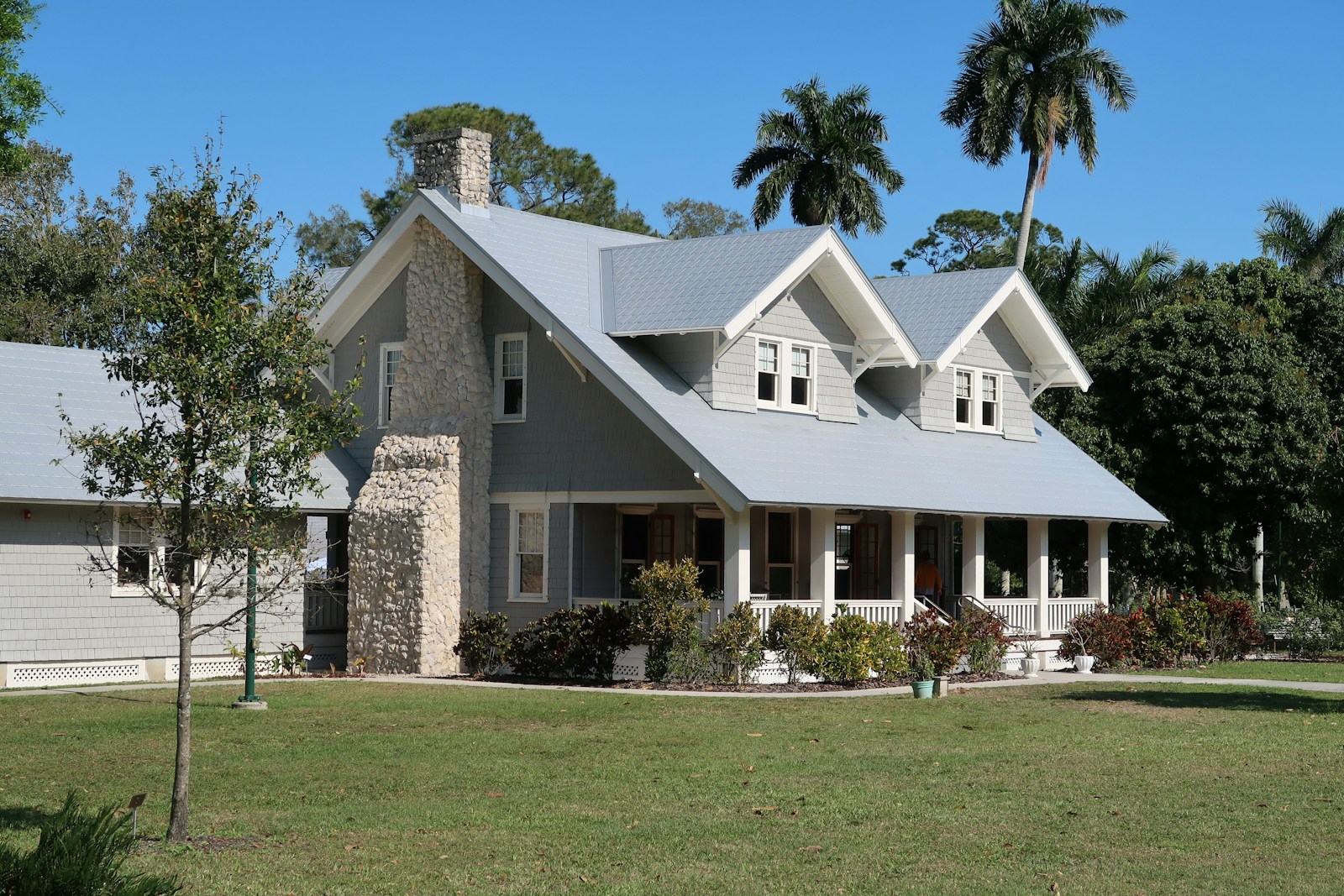

Quick Summary: Ohios Welcome Home Program Backs Warrens Housing Revival With $100,000 Per Property
- The homes average about $175,000, with 15-year property tax abatements approved by Warren City Council on September 9, backed by $100,000 per property from Ohio’s Welcome Home program.
- Four newly built homes on Drexel Avenue NW have been sold and occupied, with plans for 10 more houses underway.
- Warren Community Development Director Mike Keys highlighted that every buyer secured a mortgage, proving demand for new owner-occupied housing.
- The project relies on layered subsidies and creative financing to overcome construction costs that exceed market values.
- Trumbull Neighborhood Partnership is transitioning from blight remediation to new construction, aiming to stabilize and improve property values.
Source: Open external resource
Source: Read original article
In Warren, Ohio, a bold housing initiative is challenging the status quo by proving that public subsidies can indeed make middle-class homes viable in areas where construction costs overshadow property values. This ambitious project, centered on Drexel Avenue NW, has already seen four homes sold and occupied, with plans for ten more. But can this model sustain itself, or is it a fleeting success?
The homes, averaging $175,000, come with 15-year property tax abatements, a strategic move approved by the Warren City Council on September 9. Backed by $100,000 per property from Ohio’s Welcome Home program, these houses are a beacon of hope for working-class families. As Warren Community Development Director Mike Keys pointed out, the fact that every buyer secured a mortgage is a testament to the real demand for new, owner-occupied housing in the city.
Trumbull Neighborhood Partnership, a nonprofit that has spent nearly 16 years tackling blight, is now taking a daring step into new construction. This shift aims not only to provide affordable housing but also to enhance and stabilize property values in the neighborhood. The project relies heavily on layered subsidies and creative financing, as construction costs still exceed the market values in the area.
As the groundwork for ten more homes begins this fall, the broader debate looms: Can Warren sustain this momentum and continue stacking state, federal, and local incentives to support new construction? The success of these initial homes might just pave the way for a revitalized approach to urban development in legacy-city neighborhoods.
The homes average about $175,000, come with 15-year property tax abatements approved by Warren City Council on September 9, and were backed by $100,000 per property from Ohio’s Welcome Home program. Keys underscored that the Drexel homes sit in a Community Reinvestment Area created about a decade ago, and he pointed to another recent precedent: a three-bedroom Habitat for Humanity home on Burton Street SE that received a 15-year, 75% tax abatement approved in April.
” After moving in, she said, “It’s so cool,” while Nolan called the program “the only thing that I can really think of that is helping working-class families get ahead” in all of his experience with government. Department of Housing and Urban Development, and Warren City Council signed off on the abatements.
He expects those 10 houses to be finished by early 2027 and then sold. The immediate milestone is the fall groundbreaking for the next 10 houses, followed by the buildout and sales effort through early 2027.
” He said part of the next phase will use PACE financing on five of the 10 homes, with repayments stretched over the first 15 years so owners’ costs stay roughly in line with the tax savings. Trumbull Neighborhood Partnership, a nonprofit that Martin said has spent nearly 16 years on blight remediation and cleanup, is now shifting into new construction.
Martin said the 10 additional homes will all be owner-occupied rather than rentals. Martin said the first 16 years of TNP were largely about stabilization and cleanup, but now the group is trying to “go to the next level” by adding houses back into neighborhoods rather than merely demolishing blight.
The homes, averaging $175,000, come with 15-year property tax abatements, a strategic move approved by the Warren City Council on September 9. The homes average about $175,000, come with 15-year property tax abatements approved by Warren City Council on September 9, and were backed by $100,000 per property from Ohio’s Welcome Home program.
Trumbull Neighborhood Partnership, a nonprofit that Martin said has spent nearly 16 years on blight remediation and cleanup, is now shifting into new construction. Martin said the 10 additional homes will all be owner-occupied rather than rentals.
As Warren Community Development Director Mike Keys pointed out, the fact that every buyer secured a mortgage is a testament to the real demand for new, owner-occupied housing in the city. Trumbull Neighborhood Partnership, a nonprofit that has spent nearly 16 years tackling blight, is now taking a daring step into new construction.
The scale and speed of this development has caught many observers off guard. Each new update adds another dimension to a story that is still unfolding, and the full picture will only become clear as more verified details emerge from the people and institutions directly involved.
Analysts who have tracked this issue closely say the current moment represents a genuine turning point. The decisions made in the coming weeks are expected to set the direction for months ahead, with ripple effects likely to extend well beyond the immediate actors in the story.
For those directly affected, the practical impact is already visible. People navigating this fast-changing situation are dealing with real consequences while new information continues to reshape what is known and what remains open to interpretation.
Historical parallels offer some context, though experts caution against drawing too close a comparison. Similar situations have played out before, but the specific combination of pressures, personalities, and timing here makes this moment distinct in ways that matter for how it ultimately resolves.
The political and economic dimensions of this story are deeply intertwined. What appears as a single event on the surface is in practice the convergence of multiple pressures that have been building quietly over a longer period than most public reporting has captured.