


Quick Summary: Supreme Court Blocks Trumps Mail Ballot Rule Change Ahead of Midterms
- In-person early voting began on September 18, 2026, in Virginia, marking the start of the final six-week sprint to the November 3 midterm election.
- The Supreme Court blocked President Trump’s effort to tighten mail-ballot rules, impacting election administration.
- 1 in 10 Americans now lives in a different congressional district due to mid-decade redistricting.
- Trump’s push for redrawing congressional lines has triggered similar efforts across states.
- Early voting is seen as a pivotal moment in the struggle for control of Congress and the election process.
Source: Open external resource
Source: Read original article
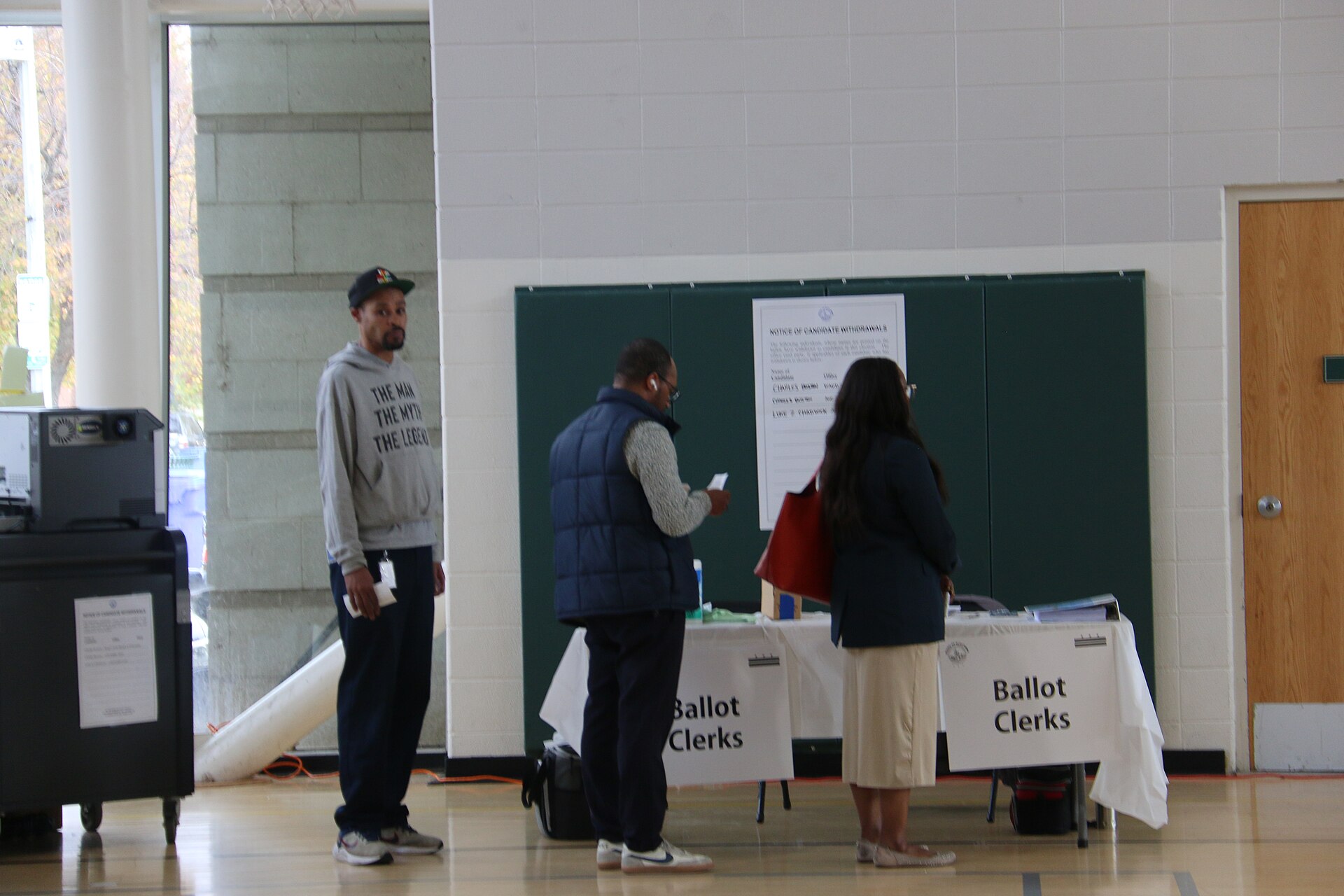
Early voting has kicked off in several states, setting the stage for a midterm election that could dramatically reshape the balance of power in Congress. With Virginia and other states opening their polls, the race is on, and the stakes are higher than ever. Trumps is at the center of this development.
This election is not just about who will control Congress; it’s a battle over the very rules that govern voting in America. President Trump’s attempt to tighten mail ballot regulations was thwarted by the Supreme Court, a significant blow to his administration’s efforts to influence the election process. Meanwhile, redistricting has reshuffled the political landscape, leaving 1 in 10 Americans in a new congressional district.
The broader context of this election is a nation grappling with rising costs, international conflicts, and a contentious political climate. The Democratic Party needs only a few seat changes to tip the scales in their favor, potentially leading to increased oversight and investigations into the current administration.
As early voting unfolds, it is clear that this is more than a mere procedural event. It is the opening act in a high-stakes drama that could redefine American politics. The decisions made at the polls will echo beyond Election Day, influencing the country’s direction for years to come.
Early voting opened Friday in Virginia and several other states with control of Congress hanging on a knife edge, but the sharpest new development in this week’s reporting is that the Supreme Court has already blocked one of President Donald Trump’s most aggressive last-minute efforts to tighten mail-ballot rules even as other federal pushes to reshape election administration remain active. The article frames a Democratic takeover as consequential not merely symbolically but procedurally, because it would likely trigger investigations and broader congressional oversight almost immediately in 2027.
In practical terms, the next key milestone is simple and immovable: more states will open expansive early-voting periods in the coming weeks, and Election Day is November 3, 2026. The latest AP reporting says in-person early voting began on September 18, 2026, in Virginia, while voters in states including Idaho, Minnesota and South Dakota can already cast absentee ballots in person, marking the start of the final six-week sprint to the November 3 midterm election.
This week the Supreme Court rejected his bid to restrict mail ballots, a major setback to a plan election officials had argued would have required a sweeping overhaul on an impossibly short timeline, but AP says several other administration efforts are still underway, including litigation, pressure on state officials and a broad hunt for alleged noncitizen voters. One of the most concrete numbers in the new reporting is the scale of electoral upheaval caused by redistricting: AP says 1 in 10 Americans now lives in a different congressional district than in 2024 after an “unprecedented spate” of mid-decade remapping.
The freshest reporting does not show an election system in collapse; instead, it shows administrators saying they are prepared, a Supreme Court drawing at least one line against abrupt federal intervention, and a president still trying to bend the rules of a contest that could strip his party of power on Capitol Hill. The core conflict driving the story is not just partisan competition but a direct fight over who controls election rules.
AP reports that Trump has been pressing to expand federal influence over how elections are run, despite the Constitution largely leaving that power to the states and, in some cases, Congress. AP reports that mail ballots have already been sent out in at least three states, and early voting has begun in others, narrowing the window for courts or federal agencies to make disruptive changes.
In practical terms, the next key milestone is simple and immovable: more states will open expansive early-voting periods in the coming weeks, and Election Day is November 3, 2026. President Trump’s attempt to tighten mail ballot regulations was thwarted by the Supreme Court, a significant blow to his administration’s efforts to influence the election process.
The latest AP reporting says in-person early voting began on September 18, 2026, in Virginia, while voters in states including Idaho, Minnesota and South Dakota can already cast absentee ballots in person, marking the start of the final six-week sprint to the November 3 midterm election. Early voting has kicked off in several states, setting the stage for a midterm election that could dramatically reshape the balance of power in Congress.
Meanwhile, redistricting has reshuffled the political landscape, leaving 1 in 10 Americans in a new congressional district. Trump’s push for redrawing congressional lines has triggered similar efforts across states.
With Virginia and other states opening their polls, the race is on, and the stakes are higher than ever. As early voting unfolds, it is clear that this is more than a mere procedural event.
The scale and speed of this development has caught many observers off guard. Each new update adds another dimension to a story that is still unfolding, and the full picture will only become clear as more verified details emerge from the people and institutions directly involved.
Analysts who have tracked this issue closely say the current moment represents a genuine turning point. The decisions made in the coming weeks are expected to set the direction for months ahead, with ripple effects likely to extend well beyond the immediate actors in the story.
For those directly affected, the practical impact is already visible. People navigating this fast-changing situation are dealing with real consequences while new information continues to reshape what is known and what remains open to interpretation.
Historical parallels offer some context, though experts caution against drawing too close a comparison. Similar situations have played out before, but the specific combination of pressures, personalities, and timing here makes this moment distinct in ways that matter for how it ultimately resolves.
The political and economic dimensions of this story are deeply intertwined. What appears as a single event on the surface is in practice the convergence of multiple pressures that have been building quietly over a longer period than most public reporting has captured.