

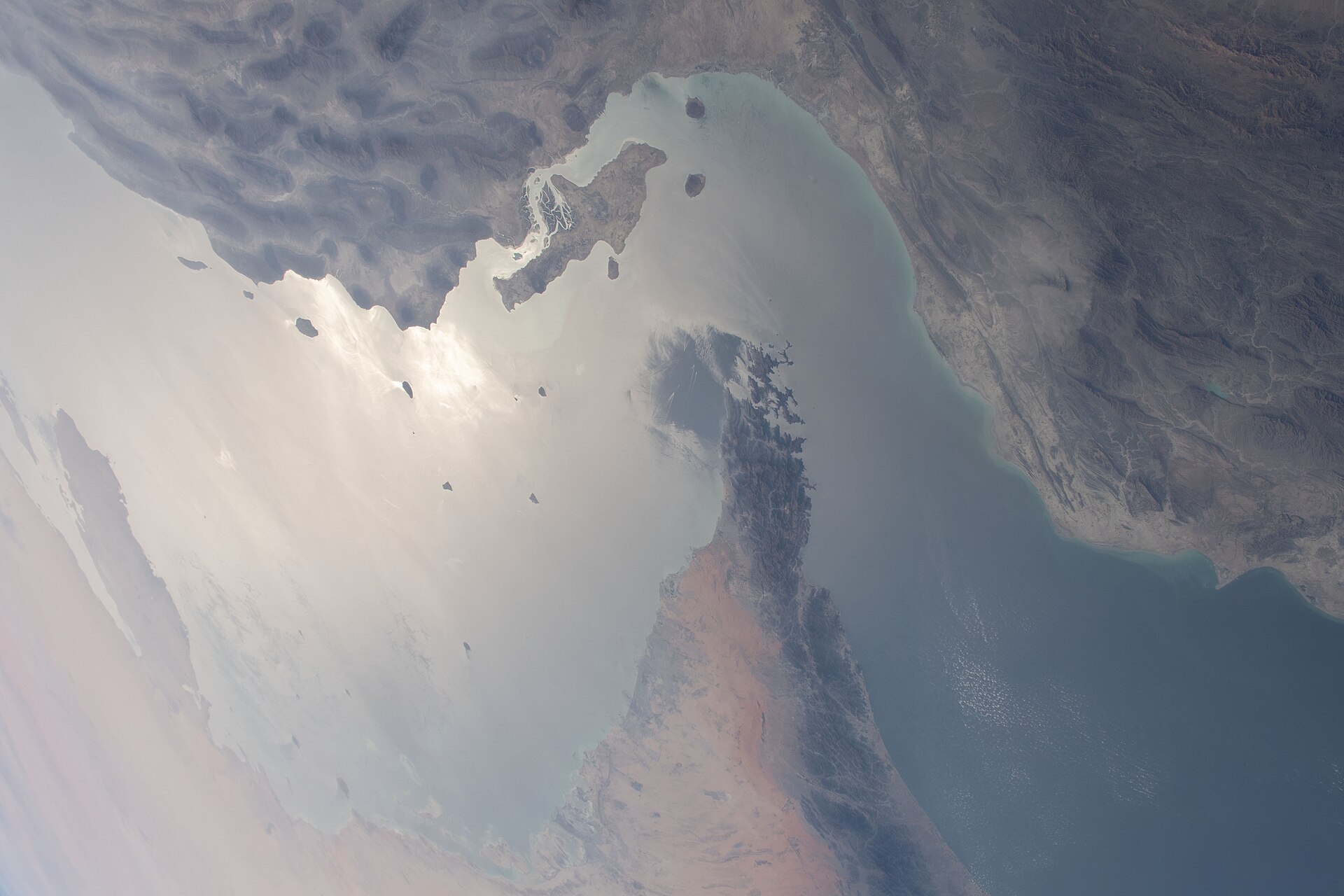

Quick Summary: Strait of Hormuz Tensions Rise Amid Irans UN Proposals
- Iran’s President Masoud Pezeshkian accused the U.S. and Israel of illegal attacks during his UN address, asserting Iran’s refusal to yield to pressure.
- UN-backed experts found ‘reasonable grounds’ for U.S. war crimes in Iran, citing attacks that killed at least 178 civilians.
- Pezeshkian’s speech followed a secret meeting between Iranian and U.S. officials, suggesting potential diplomatic channels.
- The U.S. delegation walked out during Pezeshkian’s speech, highlighting ongoing tensions despite back-channel talks.
- The Strait of Hormuz remains a critical pressure point, with Iran pushing proposals amid global energy concerns.
Source: Open external resource
Source: Read original article
In a bold move at the United Nations, Iran’s President Masoud Pezeshkian delivered a defiant speech accusing the United States and Israel of violating international law. This was not just another diplomatic address; it was a direct challenge from a nation at war with the U.S., right in the heart of New York.
Pezeshkian’s address to the 193-member General Assembly wasn’t merely rhetoric. He accused the U.S. of illegal strikes that allegedly resulted in civilian casualties, a claim supported by UN-backed experts who found potential war crimes. This speech came on the heels of a secretive meeting between Iranian and U.S. officials, hinting at a possible diplomatic thaw.
The geopolitical stakes are high. The U.S. delegation’s walkout during Pezeshkian’s speech underscores the deep divide, yet the ongoing back-channel discussions suggest that neither side is ready to close the door on diplomacy entirely. The Strait of Hormuz remains a flashpoint, with Iran’s proposals potentially affecting global energy markets.
The context of this confrontation is complex. On one hand, Pezeshkian’s tone was uncompromising, yet he left room for negotiation, stating Iran’s readiness for dialogue without coercion. On the other hand, President Trump has wielded both threats and the possibility of talks, creating a precarious balance.
As the world watches, the question remains: will these diplomatic overtures lead to meaningful negotiations, or will the rhetoric spiral into further conflict? The coming weeks will be crucial in determining the trajectory of this tense geopolitical dance.
In his address to the 193-member General Assembly, he accused the United States and Israel of illegal attacks and said Iran would not yield to pressure. AP said Secretary of State Marco Rubio indicated Trump was open to meeting Pezeshkian in New York, though no such meeting was confirmed.
-backed experts said there were “reasonable grounds” to believe the United States committed war crimes in two strikes in Iran, with findings centered on attacks that allegedly killed at least 178 civilians, including women and children. approved visas for top Iranian officials to attend the General Assembly.
address to defend starting the war and warned he could “annihilate” Iran. Pezeshkian is trying to show Iran can absorb military pressure without surrendering while still appearing reasonable to nonaligned and Arab states.
, and AP reported Netanyahu was also expected in New York this week, though not necessarily for a meeting with Trump. So the next phase is likely to be decided not by speeches alone, but by whether this week’s combination of threats, walkouts and quiet diplomacy produces a real meeting, a Security Council push, or another military escalation.
in New York on September 23 to pair open defiance with a fresh public offer for diplomacy, just one day after Donald Trump told the General Assembly he might “annihilate the Islamic Republic” if no deal is reached. on September 22, “I have a big decision to make,” framing the choice as either a deal that lets Iran rebuild or a rapid escalation.
of illegal strikes that allegedly resulted in civilian casualties, a claim supported by UN-backed experts who found potential war crimes. In his address to the 193-member General Assembly, he accused the United States and Israel of illegal attacks and said Iran would not yield to pressure.
and Israel of illegal attacks during his UN address, asserting Iran’s refusal to yield to pressure. -backed experts said there were “reasonable grounds” to believe the United States committed war crimes in two strikes in Iran, with findings centered on attacks that allegedly killed at least 178 civilians, including women and children.
war crimes in Iran, citing attacks that killed at least 178 civilians. In a bold move at the United Nations, Iran’s President Masoud Pezeshkian delivered a defiant speech accusing the United States and Israel of violating international law.
Pezeshkian’s address to the 193-member General Assembly wasn’t merely rhetoric. On the other hand, President Trump has wielded both threats and the possibility of talks, creating a precarious balance.
on September 22, “I have a big decision to make,” framing the choice as either a deal that lets Iran rebuild or a rapid escalation. delegation walked out during Pezeshkian’s speech, highlighting ongoing tensions despite back-channel talks.
The scale and speed of this development has caught many observers off guard. Each new update adds another dimension to a story that is still unfolding, and the full picture will only become clear as more verified details emerge from the people and institutions directly involved.
Analysts who have tracked this issue closely say the current moment represents a genuine turning point. The decisions made in the coming weeks are expected to set the direction for months ahead, with ripple effects likely to extend well beyond the immediate actors in the story.
For those directly affected, the practical impact is already visible. People navigating this fast-changing situation are dealing with real consequences while new information continues to reshape what is known and what remains open to interpretation.
Historical parallels offer some context, though experts caution against drawing too close a comparison. Similar situations have played out before, but the specific combination of pressures, personalities, and timing here makes this moment distinct in ways that matter for how it ultimately resolves.
The political and economic dimensions of this story are deeply intertwined. What appears as a single event on the surface is in practice the convergence of multiple pressures that have been building quietly over a longer period than most public reporting has captured.