


Quick Summary
- DOJ to deploy 1,000 monitors at polls, raising federal reach concerns.
- Federal government pulls Trump ads promising $5,000 payouts, sparking voter inducement debates.
- Backdrop of 2020 election fraud allegations fuels current election integrity concerns.
- State-level Republicans oppose federal monitors, citing voter intimidation risks.
- Legal battles over voter incentives highlight election law complexities.
midterms: Key Takeaways
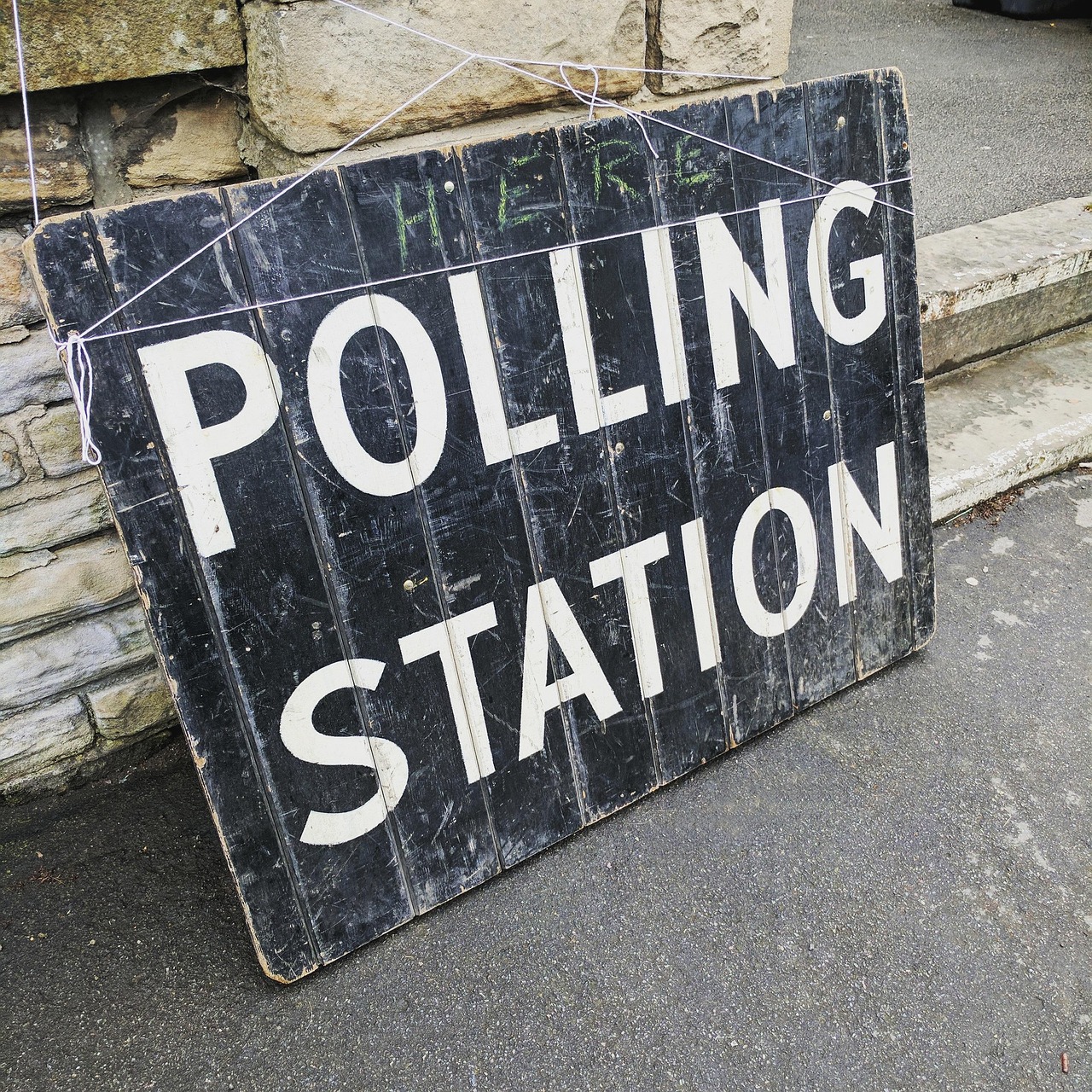
S. midterms have become a flashpoint for debates on democracy, as the Department of Justice plans to deploy 1,000 monitors across polling stations. This unprecedented federal involvement raises questions about oversight, voter intimidation, and election integrity. With the shadow of the 2020 elections still looming, this move has ignited a fierce debate over the role of federal power in state elections.
The DOJ’s decision to send monitors is a direct response to the heightened concerns over election integrity. DOJ spokesperson Wyn Hornbuckle Pels assures that these monitors are meant to ensure compliance with voting laws, not to interfere. However, critics argue that such a presence may intimidate voters and disrupt the electoral process. This federal intervention is a controversial pivot in a nation still grappling with the aftermath of widespread misinformation and fraud allegations from the previous election cycle.
State-level Republicans in Missouri and Florida have expressed strong opposition to the federal monitors, viewing them as unnecessary intrusions. This tension between state and federal oversight reflects deeper political divisions and highlights the contentious nature of the current electoral landscape. Meanwhile, former President Donald Trump continues to influence the narrative, encouraging his supporters to view the midterms as a referendum on his presidency.
Legal challenges are already emerging, with voter protection hotlines inundated with calls as individuals seek clarity amid confusion. In Kansas, Attorney General Kris Kobach’s legal action against the Bluestem Fund over alleged voter incentives underscores the delicate balance between voter outreach and inducement. These legal battles are not just about this election cycle but could set precedents for future elections, influencing the trajectory of American democracy.
As the nation braces for Election Day, the implications of this election cycle extend beyond immediate outcomes. The DOJ’s actions could redefine the role of federal oversight in state-run elections, potentially reshaping public trust and the integrity of the electoral system. As both parties prepare for potential disputes over ballot access and counting, the focus will soon shift to the acceptance and tabulation of provisional and mail ballots, a process that will be under intense scrutiny.
Another AP report said the federal government was ordered to pull three Trump administration advertisements, including one promoting Trump’s claim that Americans would get $5,000 if Republicans win, showing how campaign messaging and official government communications are now colliding in court and in public debate. farmers $15 billion in the weeks before the midterms, a figure that has landed in the middle of a broader argument about whether the White House is using executive power and federal money to influence the election atmosphere.
On October 30, AP reported on litigation affecting Alaska ballots and on court fights over election-related investigations and political advertising. That $5,000 promise has also become a recurring controversy in media coverage because critics have characterized it as indistinguishable from a vote-linked inducement.
In Kansas, AP reported that Attorney General Kris Kobach sent a cease-and-desist letter to the Bluestem Fund, arguing that “offering anything of value in exchange for voting violates both federal and state law,” after controversy over voter incentives. On October 27, Axios reported that Louisiana’s early voting period was entering its final day.
DOJ spokesperson Wyn Hornbuckle Pels, quoted in reporting on the monitoring effort, defended the federal presence by saying monitors are there to watch for violations rather than interfere, while state-level Republicans in places such as Missouri and Florida have already shown hostility to outside monitors in past cycles. AP reported Sunday and Monday that Republicans are defending terrain in states Donald Trump previously won comfortably, with Trump rallying in Iowa and Kansas in the campaign’s closing hours.
The people driving this story are not just candidates but institutions: Donald Trump, the Justice Department, state attorneys general, election administrators, voting-rights lawyers, and technology vendors. AP said he urged supporters to behave as though he were “on the midterm ballot,” trying to nationalize races around his presidency.
Federal government pulls Trump ads promising $5,000 payouts, sparking voter inducement debates.
midterms: Key Takeaways Quick Summary DOJ to deploy 1,000 monitors at polls, raising federal reach concerns.
State-level Republicans oppose federal monitors, citing voter intimidation risks.
The scale and speed of this development has caught many observers off guard. Each new update adds another dimension to a story that is still unfolding, and the full picture will only become clear as more verified details emerge from the people and institutions directly involved.
Analysts who have tracked this issue closely say the current moment represents a genuine turning point. The decisions made in the coming weeks are expected to set the direction for months ahead, with ripple effects likely to extend well beyond the immediate actors in the story.
For those directly affected, the practical impact is already visible. People navigating this fast-changing situation are dealing with real consequences while new information continues to reshape what is known and what remains open to interpretation.
Historical parallels offer some context, though experts caution against drawing too close a comparison. Similar situations have played out before, but the specific combination of pressures, personalities, and timing here makes this moment distinct in ways that matter for how it ultimately resolves.
The political and economic dimensions of this story are deeply intertwined. What appears as a single event on the surface is in practice the convergence of multiple pressures that have been building quietly over a longer period than most public reporting has captured.