


Quick Summary: Naftogaz Escalates Legal Fight With Seizure of Russian Vessel in Svalbard
- Norway seized the Russian vessel Professor Molchanov to enforce a $4.22 billion arbitration award — this marks a significant escalation in Naftogaz’s efforts against Moscow.
- The Nord-Troms and Senja District Court ordered the seizure on August 31, 2026 — Norwegian authorities acted swiftly, seizing the vessel in Svalbard.
- The vessel’s seizure is tied to a Hague tribunal ruling — Russia was ordered to pay Naftogaz for assets seized during the 2014 Crimea annexation.
- Naftogaz aims to treat the vessel as a commercial asset — strengthening its case against Russia’s unpaid arbitration award.
- The seizure in Svalbard adds geopolitical tension — the region is a sensitive area where Norway and Russia both have interests.
Source: Open external resource
Source: Read original article
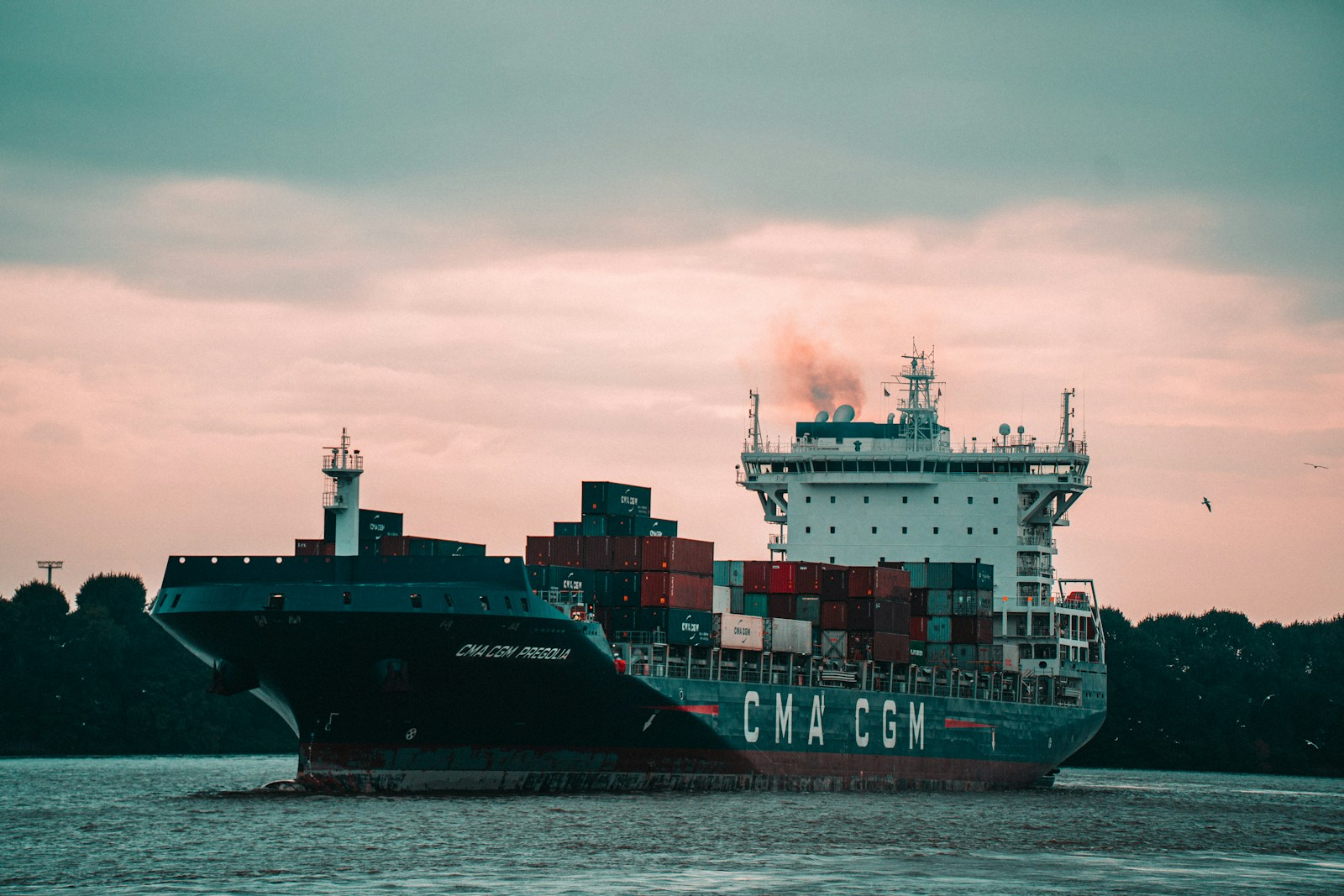
In a bold assertion of legal authority, Norway has seized the Russian state-owned vessel Professor Molchanov in an effort to enforce a $4.22 billion arbitration award owed by Moscow to Ukraine’s Naftogaz. This move transforms a long-standing legal battle into a tangible asset grab, as ordered by a Norwegian court.
The seizure, executed on August 31, 2026, by the Nord-Troms and Senja District Court, represents a crucial step in Naftogaz’s global campaign to collect on the arbitration award. The court’s decision and the subsequent action in Svalbard underscore Norway’s commitment to enforcing international legal rulings.
At the heart of this legal drama is a Hague tribunal ruling from April 2023, which mandated that Russia compensate Naftogaz for assets lost during the annexation of Crimea in 2014. By seizing the Professor Molchanov, Naftogaz aims to classify it as a commercial asset, thus bypassing the protections typically afforded to sovereign property.
This unprecedented action in the Arctic archipelago of Svalbard, where Norway exerts sovereignty but Russia maintains a presence, could set a significant precedent. It introduces a new layer of geopolitical tension to an already delicate region, potentially sparking diplomatic friction beyond the legal arena.
The implications of this seizure are profound. If upheld, it could pave the way for similar actions against other Russian commercial assets in Europe and beyond, intensifying the legal and diplomatic chess game between Russia and Ukraine.
22 billion arbitration award from Moscow, because it turns a long-running legal judgment into a concrete asset grab ordered by a Norwegian court just days ago. The key new development is that the Nord-Troms and Senja District Court ordered the seizure on August 31, 2026, and Norwegian authorities then moved on the vessel at Barentsburg in Svalbard on Wednesday, according to Naftogaz and wire-service reporting today.
22 billion plus interest and costs, and Reuters reported that the ship had been tracked for months before the arrest. On August 31, the Norwegian district court ordered the seizure; on September 2, Naftogaz publicly announced that Norwegian authorities had seized the ship; and by September 3, AP, Reuters and other outlets were reporting the development as a significant new front in enforcement of the award.
22 billion plus interest and legal costs over assets seized when Russia annexed Crimea in 2014, and Naftogaz says that award has already been recognized as enforceable in Norway. Naftogaz also identified its lawyers in Norway as Wikborg Rein and said Covington & Burling is serving as international legal counsel.
That makes this more than a routine maritime court filing. What makes the story stand out is that this is not just another sanctions-related detention or political gesture; it is an enforcement action tied directly to a Hague arbitration ruling.
That means the legal fight has now moved from winning judgments on paper to locating and physically attaching Russian assets in foreign jurisdictions. ” That quote is central because it signals the company is treating the Norway move as one operation in a broader cross-border recovery strategy, not a one-off arrest.
The Nord-Troms and Senja District Court ordered the seizure on August 31, 2026 — Norwegian authorities acted swiftly, seizing the vessel in Svalbard. 22 billion arbitration award from Moscow, because it turns a long-running legal judgment into a concrete asset grab ordered by a Norwegian court just days ago.
The key new development is that the Nord-Troms and Senja District Court ordered the seizure on August 31, 2026, and Norwegian authorities then moved on the vessel at Barentsburg in Svalbard on Wednesday, according to Naftogaz and wire-service reporting today. The vessel’s seizure is tied to a Hague tribunal ruling — Russia was ordered to pay Naftogaz for assets seized during the 2014 Crimea annexation.
The seizure, executed on August 31, 2026, by the Nord-Troms and Senja District Court, represents a crucial step in Naftogaz’s global campaign to collect on the arbitration award. 22 billion plus interest and costs, and Reuters reported that the ship had been tracked for months before the arrest.
On August 31, the Norwegian district court ordered the seizure; on September 2, Naftogaz publicly announced that Norwegian authorities had seized the ship; and by September 3, AP, Reuters and other outlets were reporting the development as a significant new front in enforcement of the award. 22 billion arbitration award — this marks a significant escalation in Naftogaz’s efforts against Moscow.
This move transforms a long-standing legal battle into a tangible asset grab, as ordered by a Norwegian court. 22 billion arbitration award owed by Moscow to Ukraine’s Naftogaz.
The scale and speed of this development has caught many observers off guard. Each new update adds another dimension to a story that is still unfolding, and the full picture will only become clear as more verified details emerge from the people and institutions directly involved.
Analysts who have tracked this issue closely say the current moment represents a genuine turning point. The decisions made in the coming weeks are expected to set the direction for months ahead, with ripple effects likely to extend well beyond the immediate actors in the story.
For those directly affected, the practical impact is already visible. People navigating this fast-changing situation are dealing with real consequences while new information continues to reshape what is known and what remains open to interpretation.
Historical parallels offer some context, though experts caution against drawing too close a comparison. Similar situations have played out before, but the specific combination of pressures, personalities, and timing here makes this moment distinct in ways that matter for how it ultimately resolves.
The political and economic dimensions of this story are deeply intertwined. What appears as a single event on the surface is in practice the convergence of multiple pressures that have been building quietly over a longer period than most public reporting has captured.