


Quick Summary: Desantis Unveils Charges Against 20 in Florida Election Fraud Case
- Ron DeSantis announced charges against 20 defendants on September 24, 2026, for illegal voting in Florida elections, including the 2024 general election.
- Florida officials claim most of the defendants were noncitizens who illegally cast ballots, with only 12 of the 20 arrested so far.
- Attorney General James Uthmeier stated that the operation is part of a broader election integrity effort, with 100 arrests since 2022.
- WCTV reported that most defendants were lawful permanent residents who voted before becoming citizens, with no undocumented immigrants involved.
- DeSantis announced a new national organization to promote Florida-style election enforcement across other states.
Source: Open external resource
Source: Read original article
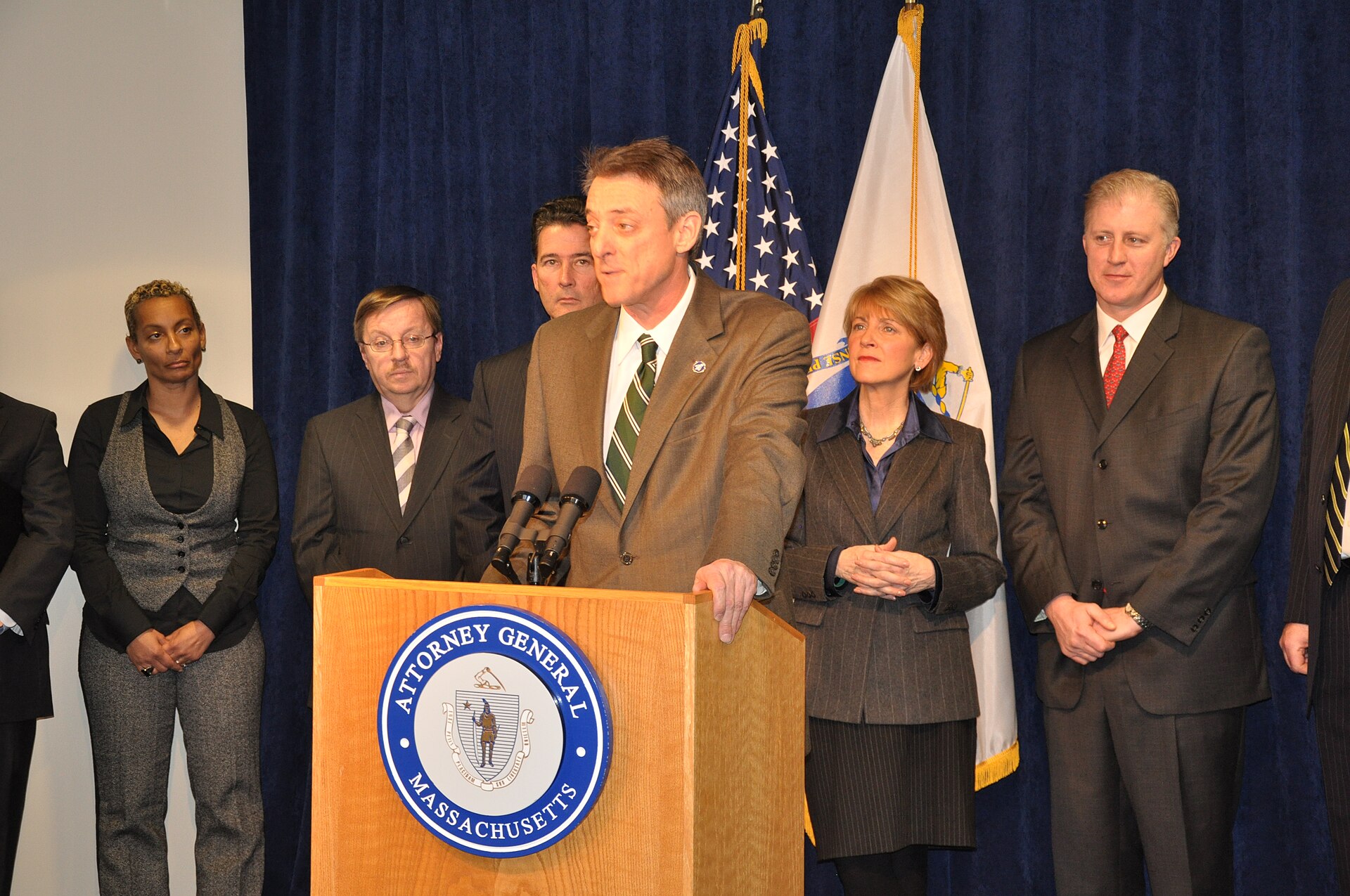
Florida’s latest election integrity operation has thrust 20 defendants into the spotlight, accused of illegal voting in the state’s elections, including the pivotal 2024 general election. Governor Ron DeSantis, alongside Attorney General James Uthmeier, revealed these charges on September 24, 2026, igniting a political firestorm.
The operation claims that most of these defendants were noncitizens who cast ballots unlawfully. However, the revelation that only 12 of the 20 have been arrested so far underscores the ongoing nature of this high-profile case. Uthmeier’s aggressive rhetoric, labeling these offenses as some of the most dangerous to American sovereignty, sets the tone for the state’s assertive stance on election integrity.
The backdrop of this operation is Florida’s evolving election-crimes apparatus, which has led to 100 arrests since 2022. The state presents this as evidence of its robust enforcement capabilities. Yet, the heart of the controversy lies in whether these defendants knowingly violated voting laws or if systemic registration failures played a role.
Adding a national dimension, DeSantis announced the formation of the Association of State and Local Election Officials, aiming to export Florida’s election enforcement model to other states. This move, just weeks before the general election, signals a broader political strategy.
As the legal proceedings unfold, the focus will be on whether this remains a straightforward enforcement story or evolves into a contentious courtroom battle over voter registration practices and intent.
One suspect, according to WCTV, had been registered to vote since 1989, a striking data point because it suggests at least one alleged illegal voter may have remained on the rolls for decades before prosecution. Ron DeSantis announced the charges on September 24, 2026, saying 20 defendants were being arrested and prosecuted in a statewide “election integrity” operation tied to illegal voting in Florida elections, including the 2024 general election.
Florida’s latest election-fraud sweep is being driven by a blunt state claim that most of the 20 newly charged defendants were noncitizens who illegally cast ballots, but the biggest immediate development is that Florida officials said only 12 of the 20 had actually been arrested when the case was unveiled, leaving part of the operation still in motion. On September 24, 2026, DeSantis, Uthmeier, Byrd, and McVay publicly announced the operation and the 20 charges.
WUSF reported that Uthmeier said “20 additional arrests and prosecutions” were underway and that 12 suspects were already in custody, while the state press release said the cases involved voting fraud and illegal voting. On September 25, WCTV and other Florida outlets added the first clearer breakdown of who the defendants were, including the Canadian citizen, the green-card-holder emphasis, the “12 arrested so far” figure, and the county list.
WUSF reported he also announced a new national organization, the Association of State and Local Election Officials, to be led by Florida Secretary of State Cord Byrd, with the goal of exporting Florida-style election enforcement and legal changes to other states after the November 3 general election. WUSF reported Uthmeier said “at least three-quarters” were foreign nationals, while WCTV said most were lawful permanent residents — green-card holders — who voted before becoming citizens, and that a Canadian citizen was among those charged.
The state is presenting the sweep as proof that Florida’s election-crimes apparatus is working, with Uthmeier saying the Office of Election Crimes and Security and related law changes have now produced 100 arrests and prosecutions since 2022. WCTV reported that most suspects were over 40 and had lived in the United States for years, with arrests spanning Brevard, Collier, Columbia, DeSoto, Hillsborough, Lee, Marion, Okeechobee, and Polk counties.
Governor Ron DeSantis, alongside Attorney General James Uthmeier, revealed these charges on September 24, 2026, igniting a political firestorm. Ron DeSantis announced the charges on September 24, 2026, saying 20 defendants were being arrested and prosecuted in a statewide “election integrity” operation tied to illegal voting in Florida elections, including the 2024 general election.
On September 24, 2026, DeSantis, Uthmeier, Byrd, and McVay publicly announced the operation and the 20 charges. WUSF reported that Uthmeier said “20 additional arrests and prosecutions” were underway and that 12 suspects were already in custody, while the state press release said the cases involved voting fraud and illegal voting.
On September 25, WCTV and other Florida outlets added the first clearer breakdown of who the defendants were, including the Canadian citizen, the green-card-holder emphasis, the “12 arrested so far” figure, and the county list. The backdrop of this operation is Florida’s evolving election-crimes apparatus, which has led to 100 arrests since 2022.
The scale and speed of this development has caught many observers off guard. Each new update adds another dimension to a story that is still unfolding, and the full picture will only become clear as more verified details emerge from the people and institutions directly involved.
Analysts who have tracked this issue closely say the current moment represents a genuine turning point. The decisions made in the coming weeks are expected to set the direction for months ahead, with ripple effects likely to extend well beyond the immediate actors in the story.
For those directly affected, the practical impact is already visible. People navigating this fast-changing situation are dealing with real consequences while new information continues to reshape what is known and what remains open to interpretation.
Historical parallels offer some context, though experts caution against drawing too close a comparison. Similar situations have played out before, but the specific combination of pressures, personalities, and timing here makes this moment distinct in ways that matter for how it ultimately resolves.
The political and economic dimensions of this story are deeply intertwined. What appears as a single event on the surface is in practice the convergence of multiple pressures that have been building quietly over a longer period than most public reporting has captured.