



Quick Summary: Shapiro Targets Battleground Counties in Pennsylvania Bus Tour
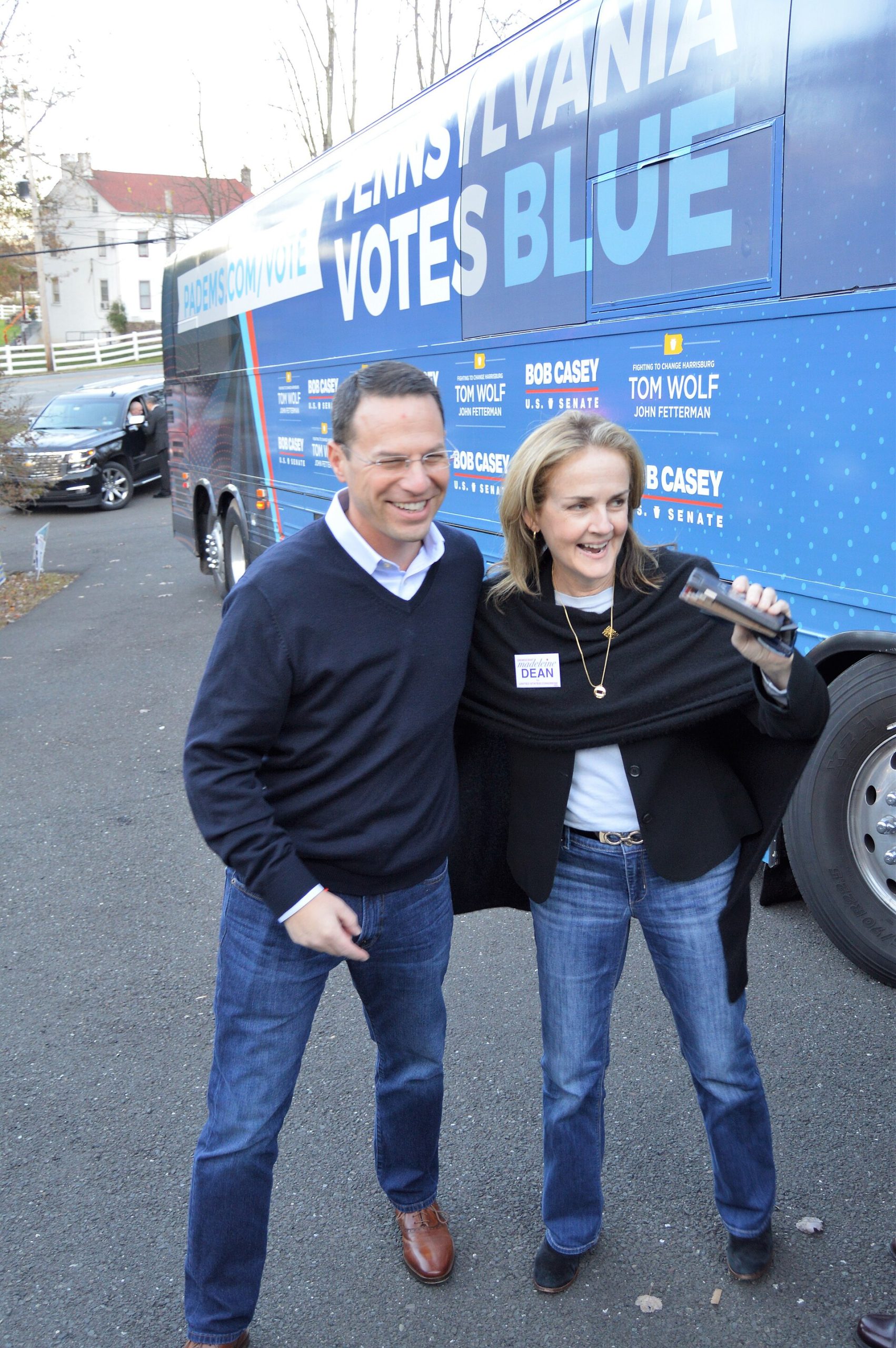
- Shapiro’s campaign bus tour covers 29 counties, including 14 solidly red areas, before the November 3 election — highlighting a strategic push into mixed political territories.
- Centre County is a key stop, having supported Shapiro in 2022 but Trump in 2024 — underscoring the campaign’s focus on voter crossover and turnout.
- Shapiro is leveraging his personal popularity to boost Democratic candidates — aiming for a broader Democratic sweep beyond his own election.
- The campaign tour is framed around tangible achievements, like increased education funding and infrastructure projects — reinforcing Shapiro’s track record as a deliverer of local benefits.
- Shapiro’s polling lead over Republican Stacy Garrity is significant, yet the tour suggests a focus on energizing the Democratic base and securing down-ballot victories.
Source: Open external resource
Source: Read original article
Josh Shapiro is not just making a pit stop in State College; he’s laying out a decisive argument for a Democratic landslide in Pennsylvania. On October 25, he turned a routine campaign appearance into a rallying cry, asserting there’s “more I want to make happen” as he embarks on a 29-county tour just days before the November 3 election.
This isn’t a victory lap. Shapiro is diving into politically mixed and Republican strongholds, including Centre County, which backed him in 2022 but flipped to Trump in 2024. This strategic move underscores a campaign laser-focused on voter crossover and turnout in battleground areas.
At the heart of Shapiro’s tour is a message of tangible results. His allies cite achievements like increased public education funding and infrastructure projects as proof of his effective governance. This isn’t just about securing his own position; it’s about leveraging his popularity to uplift the entire Democratic ticket.
Despite leading Republican Treasurer Stacy Garrity by over 20 points in the polls, Shapiro is pressing hard on the campaign trail. His strategy is clear: convert personal popularity into broader Democratic victories, emphasizing a “democratic trifecta” to mobilize voters.
As the bus tour rolls through Pennsylvania’s diverse political landscape, the stakes are high. Shapiro’s challenge is not just to win but to ensure his message of “more” resonates enough to boost Democratic candidates sharing the stage with him.
According to reporting published October 25, Garrity actually won a majority of the counties now on Shapiro’s tour during her successful 2024 reelection bid for treasurer, and she broke a statewide vote record that had previously been held by Shapiro. Centre County is one of those 15, but six counties on the route backed Shapiro in 2022 and Donald Trump in 2024, underscoring the campaign’s anxiety about crossover and turnout in a battleground electorate.
Austin Davis launched a 10-day statewide bus tour on October 24 and plan to visit 29 counties before Election Day on November 3, including 14 counties that are solidly red and 15 that they carried before. com reported he leads Republican Treasurer Stacy Garrity by more than 20 percentage points in every poll it cited, and other reporting this week says he has maintained a double-digit polling edge and a major fundraising advantage.
Scott Conklin and Paul Takac, State College Mayor Ezra Nanes, and 15th Congressional District candidate Ray Bilger. Shapiro’s campaign announced the statewide bus tour on October 20.
” The political tension driving the story is that Shapiro appears heavily favored personally while still campaigning as if the broader Democratic coalition is at risk. Takac warned about “division that benefits the dividers,” while Conklin attacked “big corporations” and congressional decisions he said hurt residents’ lives and futures.
By October 23, Penn State Democrats were promoting the October 25 “Rally in the Valley” stop in State College. start, and fresh local coverage was published early Monday, October 26.
Shapiro is diving into politically mixed and Republican strongholds, including Centre County, which backed him in 2022 but flipped to Trump in 2024. Centre County is one of those 15, but six counties on the route backed Shapiro in 2022 and Donald Trump in 2024, underscoring the campaign’s anxiety about crossover and turnout in a battleground electorate.
‘More I want to make happen’ – Centre Daily Times Shapiro’s campaign bus tour covers 29 counties, including 14 solidly red areas, before the November 3 election — highlighting a strategic push into mixed political territories. Austin Davis launched a 10-day statewide bus tour on October 24 and plan to visit 29 counties before Election Day on November 3, including 14 counties that are solidly red and 15 that they carried before.
Takac warned about “division that benefits the dividers,” while Conklin attacked “big corporations” and congressional decisions he said hurt residents’ lives and futures. On October 25, he turned a routine campaign appearance into a rallying cry, asserting there’s “more I want to make happen” as he embarks on a 29-county tour just days before the November 3 election.
The scale and speed of this development has caught many observers off guard. Each new update adds another dimension to a story that is still unfolding, and the full picture will only become clear as more verified details emerge from the people and institutions directly involved.
Analysts who have tracked this issue closely say the current moment represents a genuine turning point. The decisions made in the coming weeks are expected to set the direction for months ahead, with ripple effects likely to extend well beyond the immediate actors in the story.
For those directly affected, the practical impact is already visible. People navigating this fast-changing situation are dealing with real consequences while new information continues to reshape what is known and what remains open to interpretation.
Historical parallels offer some context, though experts caution against drawing too close a comparison. Similar situations have played out before, but the specific combination of pressures, personalities, and timing here makes this moment distinct in ways that matter for how it ultimately resolves.
The political and economic dimensions of this story are deeply intertwined. What appears as a single event on the surface is in practice the convergence of multiple pressures that have been building quietly over a longer period than most public reporting has captured.