

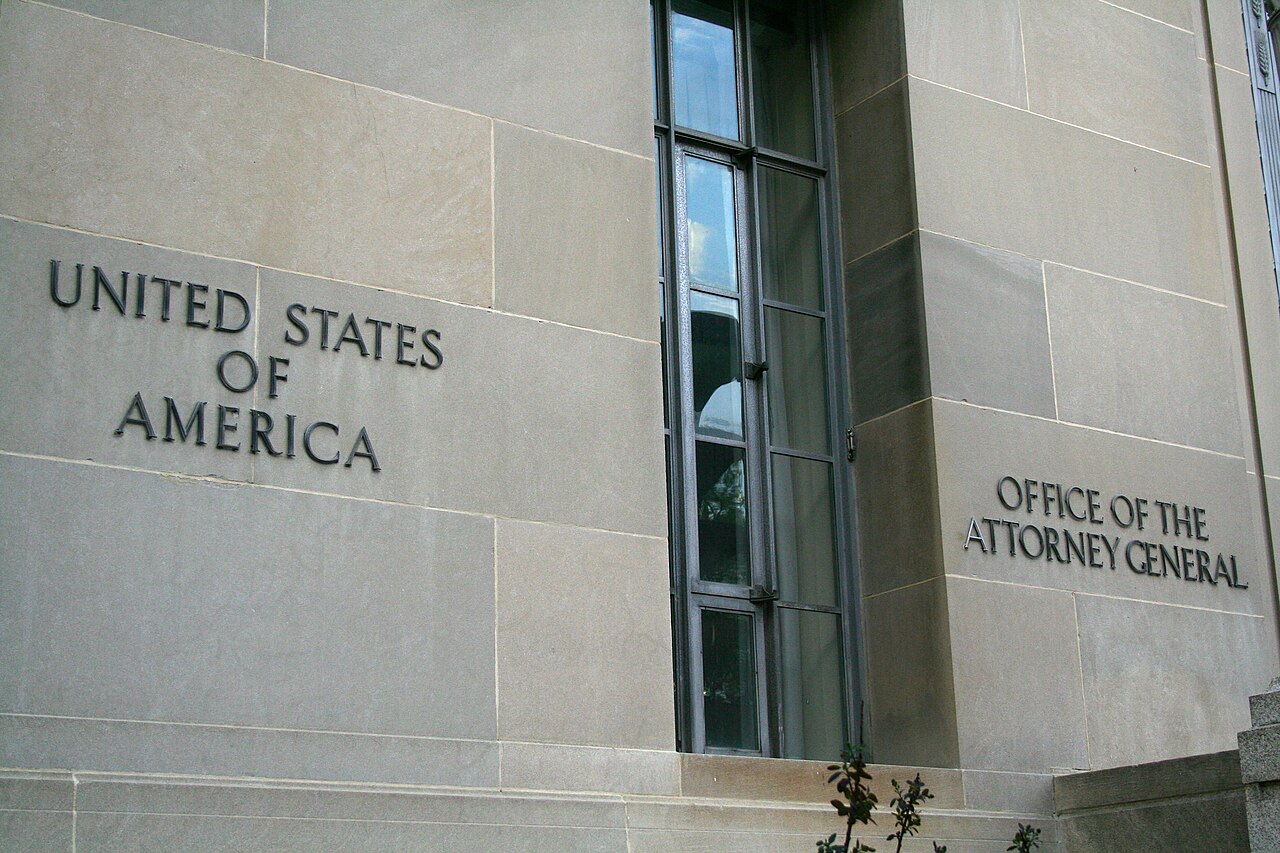

Quick Summary: Justice Department Sparks Controversy Over Washington Ballot Segregation
- The Justice Department demanded Washington segregate ballots from 405 voters it claims may be noncitizens — this federal intervention comes just before the election.
- Washington Secretary of State Steve Hobbs criticized the timing of the federal demand as politically motivated — he argued it casts unfounded suspicion on the election results.
- The Justice Department alleges 1,500 votes were cast by noncitizens in prior elections — this claim has significant political implications.
- Federal monitors have been sent to Washington to observe potential violations — this adds to the tension amid ongoing federal pressure over voter-roll data.
- Washington officials emphasize their election security measures — they highlight systematic controls like ballot tracking and audits.
Source: Open external resource
Source: Read original article
In a dramatic turn of events, Washington’s election integrity is under scrutiny as the U.S. Justice Department steps in with accusations that could shake voter confidence. The federal demand to segregate ballots from 405 voters, allegedly noncitizens, has ignited a fierce debate just days before the pivotal November 3 election.
Washington’s Secretary of State Steve Hobbs has condemned the timing of this intervention as a deliberate attempt to undermine the state’s election process. He argues that the federal system used to flag potential noncitizens is flawed and often misidentifies legitimate voters. The clash has transformed a routine election-security issue into a politically charged standoff.
The Justice Department’s claim that 1,500 votes were cast by noncitizens in previous elections adds fuel to the fire, giving the allegations a weighty political impact. Meanwhile, federal monitors dispatched to Washington are tasked with observing any potential violations, further escalating tensions in an already fraught atmosphere.
Washington officials are fighting back with facts, emphasizing their robust election security measures. They point to systems like VoteWA for ballot tracking and rigorous audits to reassure the public of the integrity of the election process. This federal-state collision is not just about ballots; it’s about the narrative and trust in the democratic process.
As the clock ticks towards Election Day, the stakes are high. The key question remains whether the Justice Department can substantiate its claims or if this will lead to more scrutiny and legal battles post-election. Washington’s response and the unfolding events will be critical in shaping the outcome and public perception of this election.
” The biggest new development is not a breach or a proven fraud case, but a direct federal intervention in Washington’s vote-by-mail system in the final stretch before Election Day on November 3, 2026. The Washington attorney general’s office and secretary of state had already released guidance in September telling local election officials how to respond to federal inquiries, warning that they should be prepared for interactions with the administration in the run-up to the election.
Washington’s elections page says the state had 5,131,564 registered voters as of October 1, 2026, meaning the disputed 405 names amount to a tiny fraction of the electorate, but the Justice Department’s allegation of 1,500 prior votes gives the claim outsized political force. KUOW reported on October 23 that the monitors’ role is to observe for potential violations of federal law and report concerns back to the department after Election Day.
On October 24, federal attorneys in California were reported to have demanded ballot verification from counties within 48 hours in a similar dispute. ” The central conflict is whether federal officials are surfacing a genuine election-integrity threat or using unproven allegations to pressure a blue state just days before ballots are due.
A second flashpoint this week is federal monitoring in King County, where the Justice Department said it was sending election monitors. Hobbs’s office noted that DOJ observers have been sent to Washington before, but in the current climate the move lands differently because it follows months of federal pressure over voter-roll data and ballot handling.
citizenship and said about 1,500 votes had been cast by those individuals in prior elections. On October 21, national Democrats sued the Trump administration over what they described as an intimidation campaign tied to alleged noncitizen-voter lists.
The Washington attorney general’s office and secretary of state had already released guidance in September telling local election officials how to respond to federal inquiries, warning that they should be prepared for interactions with the administration in the run-up to the election. Washington’s elections page says the state had 5,131,564 registered voters as of October 1, 2026, meaning the disputed 405 names amount to a tiny fraction of the electorate, but the Justice Department’s allegation of 1,500 prior votes gives the claim outsized political force.
KUOW reported on October 23 that the monitors’ role is to observe for potential violations of federal law and report concerns back to the department after Election Day. On October 24, federal attorneys in California were reported to have demanded ballot verification from counties within 48 hours in a similar dispute.
Hobbs’s office noted that DOJ observers have been sent to Washington before, but in the current climate the move lands differently because it follows months of federal pressure over voter-roll data and ballot handling. The Justice Department alleges 1,500 votes were cast by noncitizens in prior elections — this claim has significant political implications.
The federal demand to segregate ballots from 405 voters, allegedly noncitizens, has ignited a fierce debate just days before the pivotal November 3 election. The Justice Department’s claim that 1,500 votes were cast by noncitizens in previous elections adds fuel to the fire, giving the allegations a weighty political impact.
The scale and speed of this development has caught many observers off guard. Each new update adds another dimension to a story that is still unfolding, and the full picture will only become clear as more verified details emerge from the people and institutions directly involved.
Analysts who have tracked this issue closely say the current moment represents a genuine turning point. The decisions made in the coming weeks are expected to set the direction for months ahead, with ripple effects likely to extend well beyond the immediate actors in the story.
For those directly affected, the practical impact is already visible. People navigating this fast-changing situation are dealing with real consequences while new information continues to reshape what is known and what remains open to interpretation.
Historical parallels offer some context, though experts caution against drawing too close a comparison. Similar situations have played out before, but the specific combination of pressures, personalities, and timing here makes this moment distinct in ways that matter for how it ultimately resolves.
The political and economic dimensions of this story are deeply intertwined. What appears as a single event on the surface is in practice the convergence of multiple pressures that have been building quietly over a longer period than most public reporting has captured.