


Key Takeaways:
- At a recent rally in Pennsylvania, Trump admitted using a harsh slur for certain nations.
- This admission contradicts his past denials about that word.
- MSNBC’s Mika Brzezinski refused to repeat the slur on live TV.
- The moment reignites debate over his language and past reporting.
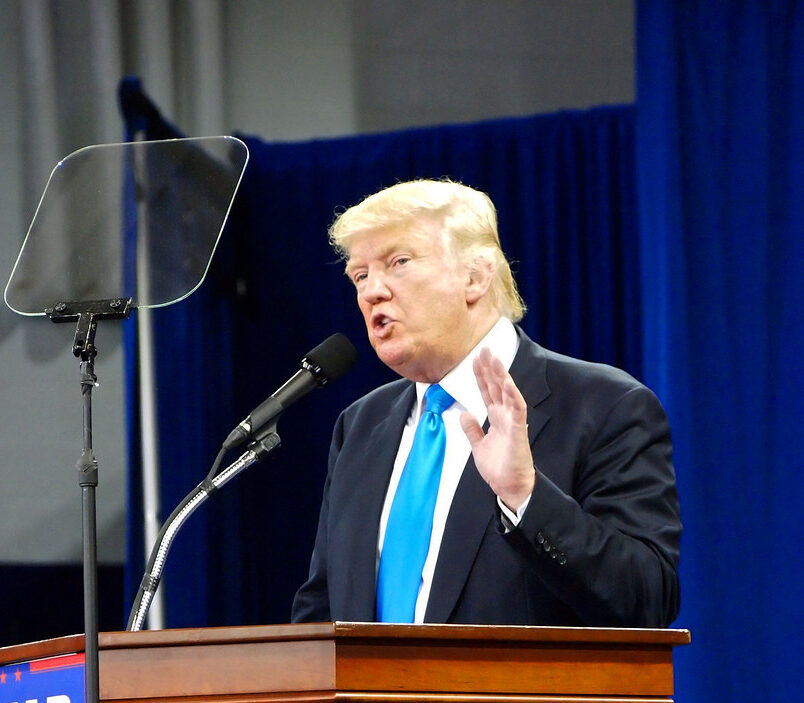
In a sparsely attended rally in Pennsylvania, former President Donald Trump surprised viewers. He openly admitted he used a vulgar slur to describe some foreign countries. Until now, Trump denied ever using that word. However, his new remarks clash with past pushback against earlier reports. MSNBC’s Mika Brzezinski both expressed shock and refused to repeat the slur on live TV. This shift has fueled a fresh wave of criticism and questions about his honesty. The Trump slur admission marks a turning point in how people view his language.
Understanding the Trump Slur Admission Moment
During the rally, Trump spoke bluntly about news reports that claimed he used a derogatory term. He said he did use the phrase. This confession surprised many. Previously, he and his team denied those reports. As a result, the Trump slur admission now undercuts years of denials. Moreover, this change forces journalists and critics to rethink how they handle his statements. They must decide what to call this new admission. Additionally, some wonder if this moment will change public opinion as the 2024 election approaches.
What Happened at the Rally?
The event took place in Pennsylvania before a small crowd. Trump talked about immigration and foreign aid. Then, he turned to past news stories. He admitted he used the insulting word to describe people from Haiti, El Salvador, and parts of Africa. Until now, he denied it. Yet, at the rally, he paused and let viewers know the report was true. He did not apologize for it. Instead, he seemed to own the language he used. Consequently, critics say this moment reveals his true views on other countries.
Historical Context of the Slur
In January 2018, reports said Trump used the same word during a meeting on immigration. Some senators were present. They opposed aid to Haiti and other nations. The Washington Post first broke the story. However, Trump denied using that word. He claimed his language was misunderstood. His team insisted the report was false. Yet, several witnesses backed the Post’s claim. Since then, debate swirled over his language. This history matters because the new rally admission links back to those earlier denials. It shows how a single word can shape public trust.
Mika Brzezinski’s On-Air Refusal
Later that day, MSNBC host Mika Brzezinski addressed the topic. When a video clip showed Trump’s words, she pushed back. She said she could not bring herself to repeat the slur on air. Moreover, she noted how shocking it was that Trump would admit this on live stage. Brzezinski explained the power of words. She warned that public figures must choose language carefully. Many viewers praised her stand. They saw it as a strong statement against hate speech.
Why the Admission Matters
The Trump slur admission matters for several reasons. First, it contradicts his past denials. For years, Trump claimed he never used that word. Now, he says he did. Second, admitting the slur may affect his support among some voters. People who disliked the insult may view him more harshly. Third, this moment highlights how media handles sensitive speech. Hosts and reporters must decide if they will use the word to inform people. They also must weigh the harm of repeating it.
Furthermore, this admission raises questions about accountability. Leaders often claim they misspeak. Yet, here Trump confirmed the exact phrase. Consequently, critics argue that he must face the fallout. They say the language reflects bias against certain nations. Supporters counter that the remark was simply unfiltered truth. In any case, the Trump slur admission has altered the discussion around his character.
Public Reaction and Fallout
After Trump made his remarks public, social media lit up. Many users posted clips of the rally. Some voiced outrage. Others defended Trump’s honesty. They said it was good he finally admitted the truth. Yet, critics called his language racist and harmful. Several watchdog groups urged news outlets to label the slur as hate speech. Additionally, some politicians weighed in. A few Republicans distanced themselves from Trump’s choice of words. They said they did not approve of such language.
At the same time, Trump supporters saw the moment as a demonstration of his willingness to speak plainly. They praised him for rejecting political correctness. Meanwhile, independent analysts asked if this could shift the narrative around his candidacy. As the 2024 race heats up, moments like this may define voter opinions. Questions now emerge about whether Trump’s base will view this as honesty or hate speech.
Moreover, global leaders reacted. They expressed concern over the insult aimed at their nations. Some diplomats called for an apology. They argued that respect among countries depends on diplomatic language. Lastly, news outlets debated if they should bleep or fully quote the slur. This debate ties back to journalistic ethics and the impact of offensive words.
Impact on Campaign and Public Trust
Since the Trump slur admission, campaign advisers have scrambled. They worry the slip will define his next bid. Some donors paused fundraising calls. For example, a major fundraiser said they might rethink donations. Meanwhile, rival candidates pointed to this moment to question his statesmanship. Pollsters now ask voters if the slur changes their view. Initial results show a small shift among moderate voters. However, hardline supporters say the remark confirms his straight talk. Thus, the Trump slur admission deepens the divide between different voter blocs.
Trust plays a key role in elections. When a leader denies an insult but later admits it, trust erodes. Voters wonder what else they might later learn. Moreover, this incident may affect swing states. Those regions often have diverse populations. They could view the slur as a sign of disrespect. Consequently, the campaign must address this episode. They might release statements or hold town halls. Regardless, the impact on public trust will shape the race ahead.
Looking Ahead
Moving forward, the Trump slur admission will shape media debates. Journalists must choose how to handle direct quotes of harmful language. Also, politicians must address the issue in future campaigns. The word itself may become a symbol of larger concerns about hate speech. Moreover, voters will ask what this moment says about a leader’s character. Ultimately, the admission may influence both news coverage and election results. Therefore, we must watch how the story evolves in the coming weeks. In fact, this moment might appear in campaign ads on both sides.
Frequently Asked Questions
What did Trump admit at the rally?
He admitted he used a harsh slur to describe people from Haiti, El Salvador, and some African countries.
Why did Mika Brzezinski refuse to repeat the slur?
She felt it was too offensive and harmful to say on live television.
How does the admission affect Trump’s credibility?
The admission undermines his past denials and may change how people view his honesty.
Will news outlets now handle similar statements differently?
Yes, they may take a tougher stance on repeating or labeling hate speech as such.