


Key Takeaways:
- A Utah student asked Erika Kirk to condemn Trump’s violent political talk.
- The student last spoke with Charlie Kirk before his death.
- Erika Kirk refused to single out President Trump by name.
- She stressed her personal stand against violence and family duty.
- Her answer shows ongoing debate over heated political speech.
Erika Kirk Faces Tough Question on Trump’s Words
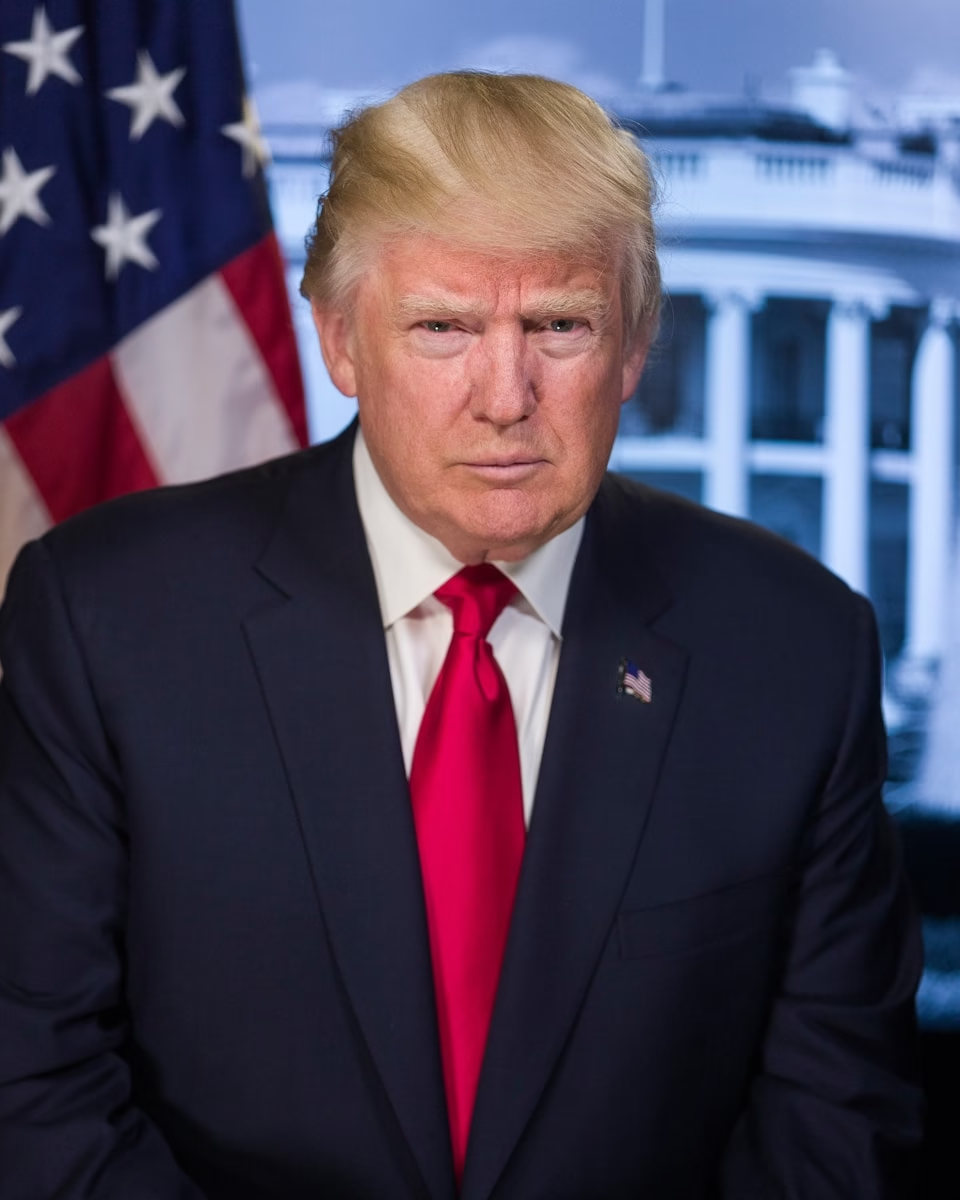
At a CBS News town hall, Erika Kirk stood before a crowd and TV cameras. She listened as Hunter Kozak, a Utah student, spoke up. Kozak had been the last person to speak with Charlie Kirk before his tragic death. He urged Erika Kirk to use her public voice to call out violent political rhetoric from President Donald Trump. He described Trump as “the most powerful and influential person on earth.”
Kozak praised Erika Kirk’s open message of peace. However, he wanted her to go further. “Would you condemn his rhetoric?” he asked. In that moment, Erika Kirk faced a raw and emotional choice before millions watching.
Erika Kirk’s Response and Focus on Personal Values
Erika Kirk spoke clearly and calmly. She said she would never agree with political violence. Yet she stopped short of naming President Trump or condemning his words directly. Instead, she urged people to look within their families and hearts. She warned that what we soak up from the outside world can shape how we act.
She said, “No, I will never agree with political violence.” Then she shifted attention to parents, teachers, and friends. Her message asked each person to teach kindness and respect. She asked people to be responsible for the tone they set at home.
Why the Student’s Question Mattered
This exchange cut to the heart of a national debate. Politicians on both sides use powerful language to rally supporters. Yet strong words can spark real harm when taken to an extreme. The student’s plea reminded viewers how words can fuel anger. In this climate, every public figure faces calls to lower the heat.
Moreover, the question hit close to home. Charlie Kirk’s widow heard firsthand what can go wrong when political talk turns sour. Her answer showed she wants to focus on healing families. It also showed the challenge of balancing public pressure with personal grief.
How Erika Kirk’s Answer Resonates Today
Erika Kirk’s stance resonates in several ways:
- It shows a mother’s focus on home and community.
- It underlines her belief in personal responsibility.
- It highlights the tension between private grief and public role.
- It sparks fresh talk about how leaders should speak.
Political commentators quickly shared views online. Some praised Erika Kirk for standing by her belief. Others criticized her for not calling out Trump by name. This split shows how high emotions run around political violence.
The Role of Public Figures in Political Speech
Public leaders shape the mood of the nation. Therefore, every phrase they choose carries weight. Harsh comments can stoke anger, while gentle words can cool tempers. In that sense, calls to condemn certain rhetoric can feel urgent.
Yet critics argue that naming one person may seem unfair or partisan. They say it can distract from broader solutions. They want calls for kindness to include everyone, at every political level.
What Might Come Next for Erika Kirk
Following the town hall, Erika Kirk may face more pressure to clarify her stance. She has a growing platform as the widow of a well-known commentator. As a result, many will watch her next moves closely.
She might choose to issue a written statement. That could allow her to explain her views in depth. Alternatively, she might appear at events that focus on violence prevention and peacebuilding. Each step could shape how people see her and her late husband’s legacy.
Moreover, she may push for programs that teach nonviolent communication in schools and homes. She could partner with parents, educators, and faith leaders. Through these efforts, Erika Kirk could show how communities heal after tragedy.
Balancing Grief and Public Pressure
Erika Kirk’s journey involves deep personal sorrow. At the same time, she faces public scrutiny every time she speaks. This balance is delicate. On one side lies the desire to honor her husband’s memory. On the other lies the demand for clear public positions.
Grief can change how a person views politics and life. Therefore, some may view Erika Kirk’s answer as a step in a long healing process. Others may see it as a missed chance to challenge a powerful voice in politics.
Looking at the Bigger Picture on Political Language
The town hall moment is just one scene in a larger story about words and violence. Across the nation, families and communities search for ways to cool heated debates. Many experts call for clear standards on political speech. They warn that failing to act leaves open the door to more harm.
At the same time, free speech advocates caution against too much restriction. They argue open debate is vital in a democracy. The key, they say, lies in personal responsibility. That means each speaker, from presidents to students, must weigh the impact of their words.
What We Can Learn From Erika Kirk’s Experience
Erika Kirk’s answer holds lessons for all of us:
1. Words can hurt or heal. We all need to choose them wisely.
2. Personal action matters. Families shape how society reacts to public speech.
3. Public figures carry extra weight. Their statements ripple across many lives.
4. Grief and public roles often collide. Compassion can guide tough decisions.
Ultimately, the call is for everyone—no matter their politics—to lower the temperature around political violence.
FAQs
Why did the student mention Charlie Kirk?
The student said he spoke with Charlie Kirk before his death. He wanted Erika Kirk to honor her husband’s legacy by calling out harmful political language.
Did Erika Kirk refuse to condemn Trump’s words?
She declined to single out President Trump. Instead, she stressed her personal opposition to violence and urged people to teach respect at home.
What impact could this town hall moment have?
This moment shines a light on how public figures handle calls to denounce violence. It may influence future debates on the power of political rhetoric.
How can individuals help lower political tension?
People can choose respectful words, teach nonviolent communication in families, and speak up against threats or hostility from any source.