

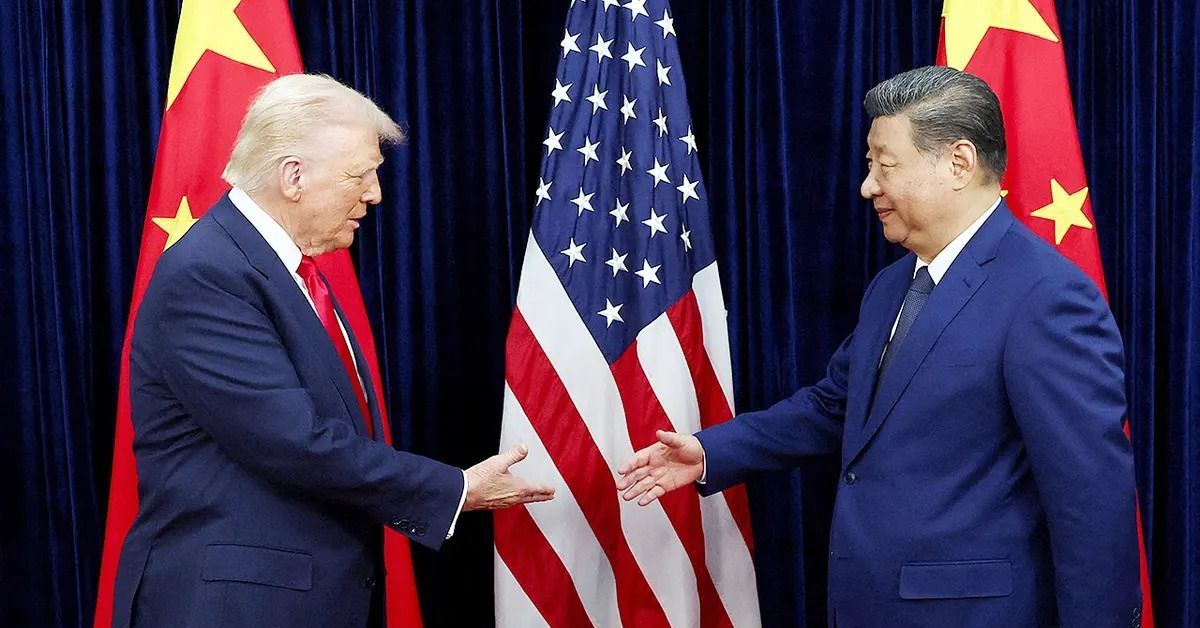

U.S. President Donald Trump is considering postponing a highly anticipated meeting with Chinese President Xi Jinping as tensions linked to the Iran war continue to escalate. The development signals how rapidly evolving geopolitical events can reshape diplomatic priorities and influence global economic stability. Officials have indicated that the delay is not a cancellation but a strategic pause, allowing the administration to focus on unfolding developments in the Middle East.
Trump delays China meeting amid growing uncertainty surrounding the Strait of Hormuz, a critical maritime route that handles a significant portion of the world’s oil supply.
Background of the Diplomatic Meeting
The proposed meeting between the leaders of the United States and China was expected to address several key issues, including trade relations, supply chain cooperation, and broader geopolitical stability. However, Trump delays China meeting discussions as the administration evaluates the risks associated with international travel during a time of heightened conflict.
Senior officials have emphasized that such high-level engagements require stable global conditions to ensure meaningful outcomes. With tensions rising in the Middle East, the focus has shifted toward immediate crisis management rather than long-term diplomatic planning.
The decision reflects a broader understanding that global leadership requires adaptability. While the meeting remains important, timing has become a critical factor in ensuring its effectiveness.
Impact of Iran War Tensions on Global Politics
The ongoing Iran conflict has introduced a new layer of complexity to international relations. Trump delays China meeting decisions partly because the situation has implications far beyond regional boundaries. Military activity, shipping disruptions, and diplomatic tensions have collectively created an environment of uncertainty.
The conflict has drawn attention from multiple global powers, each with its own strategic interests. As the situation evolves, leaders are being forced to reassess their priorities and commitments. In this context, postponing diplomatic engagements is seen as a pragmatic approach rather than a setback.
Global alliances are also being tested. Countries are navigating a delicate balance between maintaining neutrality and supporting international stability. This dynamic has made coordination more challenging, further justifying the need for careful planning before major diplomatic meetings take place.
Strait of Hormuz and Energy Security Concerns
One of the most significant consequences of the conflict is its impact on the Strait of Hormuz. Trump delays China meeting considerations are closely tied to disruptions in this critical oil transit route. Nearly one-fifth of the world’s oil passes through this narrow waterway, making it a focal point for global energy security.
Recent incidents involving ships and heightened security threats have raised concerns about the stability of supply chains. Any prolonged disruption could lead to fluctuations in oil prices, affecting economies worldwide. Governments and industries are closely monitoring the situation, as even minor interruptions can have far-reaching consequences.
The importance of the strait extends beyond energy. It also represents a key link in global trade, connecting major markets across continents. Ensuring its security has become a top priority for multiple nations, highlighting the interconnected nature of modern economies.
U.S. Response and Leadership Strategy
Trump delays China meeting as part of a broader strategy focused on domestic stability and crisis management. By remaining in the United States, the administration aims to maintain a strong presence and respond quickly to developments in the Middle East.
Leadership during times of conflict often requires difficult decisions. Prioritizing national interests while managing international relationships is a complex task. In this case, the decision to delay the meeting reflects a calculated approach to balancing these responsibilities.
Officials have also emphasized the importance of coordination with allies. Efforts are underway to engage with other nations in addressing the challenges posed by the conflict. This collaborative approach is seen as essential in maintaining global stability.
China’s Position and Global Implications
China’s role in the current situation is both significant and complex. As a major global economy with strong ties to the Middle East, it is directly affected by disruptions in the region. Trump delays China meeting developments have drawn attention to how both nations are navigating their respective interests.
China has called for restraint and emphasized the need for diplomatic solutions. At the same time, it must consider its economic dependencies and strategic partnerships. This dual perspective places it in a unique position within the broader geopolitical landscape.
The postponement of the meeting may also influence how future discussions are structured. Both sides are likely to approach negotiations with a renewed focus on stability and risk management.
Economic Ripple Effects Across Markets
The economic impact of the conflict is already being felt across global markets. Trump delays China meeting decisions come at a time when investors are closely watching developments in energy prices and trade flows. Uncertainty in the Strait of Hormuz has contributed to fluctuations in oil markets, which in turn affect a wide range of industries.
Transportation, manufacturing, and logistics sectors are particularly sensitive to changes in fuel costs. Any sustained increase in oil prices could lead to higher expenses for businesses and consumers alike. This ripple effect underscores the importance of maintaining stable supply chains.
Financial markets have also reacted to the situation. Investors are adjusting their strategies in response to geopolitical risks, leading to increased volatility. Governments are monitoring these trends to mitigate potential economic disruptions.
Diplomatic Timing and Strategic Considerations
Trump delays China meeting as part of a broader evaluation of diplomatic timing. High-level meetings are most effective when conditions allow for productive dialogue. In the current environment, uncertainties could limit the ability to achieve meaningful outcomes.
The decision highlights the importance of flexibility in international relations. Leaders must be prepared to adapt their plans in response to changing circumstances. This approach ensures that diplomatic efforts remain effective and aligned with broader objectives.
At the same time, the delay does not diminish the significance of the meeting. Both sides continue to recognize its importance and are likely to reschedule once conditions improve.
Global Cooperation and Shared Responsibility
The situation has reinforced the need for international cooperation. Trump delays China meeting discussions are taking place alongside efforts to engage other nations in addressing the challenges posed by the conflict. Collaborative approaches are essential in maintaining stability and ensuring the flow of global trade.
Countries are exploring ways to secure critical routes and support affected industries. This collective effort reflects a shared understanding of the interconnected nature of modern economies. No single nation can address these challenges alone.
The emphasis on cooperation also extends to diplomatic efforts. Encouraging dialogue and reducing tensions are key priorities for global leaders. These efforts are crucial in preventing further escalation and promoting long-term stability.
Future Outlook for U.S.-China Relations
The postponement of the meeting is likely to have short-term implications for U.S.-China relations. However, Trump delays China meeting decisions are not expected to alter the overall trajectory of the relationship. Both nations continue to have strong incentives to engage in dialogue and cooperation.
Future discussions may place greater emphasis on risk management and resilience. The current situation has highlighted the importance of preparing for unexpected challenges. This perspective could shape the agenda of future meetings.
In the long term, the relationship between the two countries remains a key factor in global stability. Continued engagement will be essential in addressing shared challenges and promoting economic growth.
Conclusion
Trump delays China meeting as Iran war tensions continue to reshape global priorities, underscoring the far-reaching impact of geopolitical conflicts. From energy security concerns to diplomatic timing, the decision reflects a careful assessment of current conditions.
As the situation evolves, global leaders will need to balance immediate challenges with long-term objectives. The focus remains on stabilizing critical trade routes, managing economic risks, and maintaining open channels of communication. Once conditions improve, diplomatic engagements are expected to resume, paving the way for renewed cooperation and dialogue.