

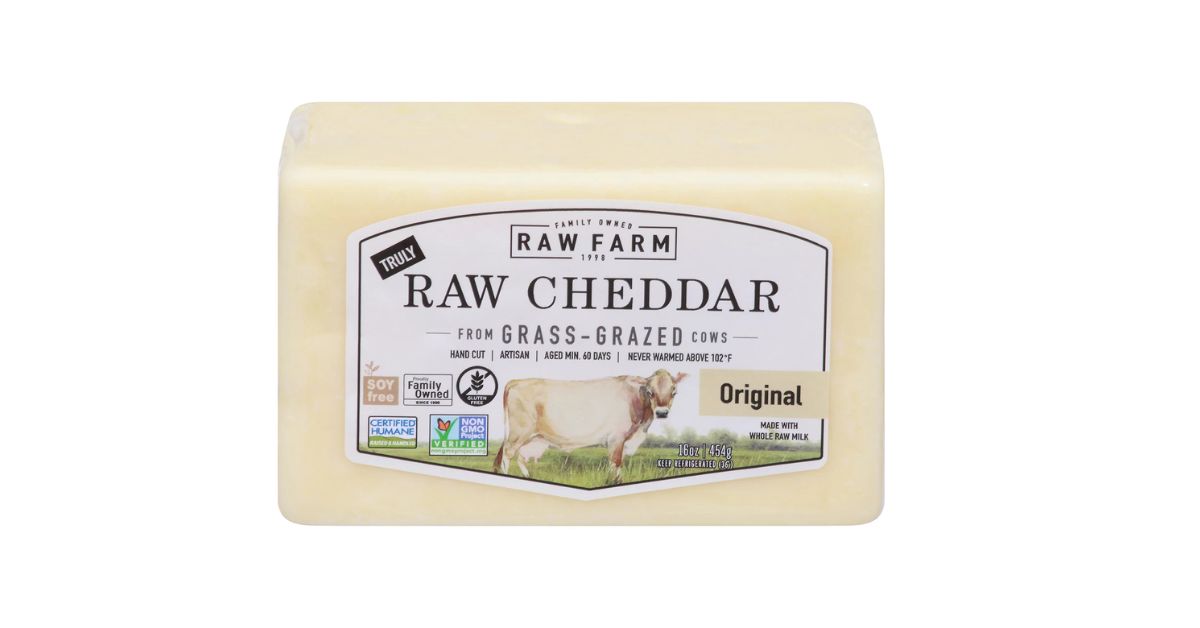

An E. coli outbreak linked to Raw Farm cheese has triggered growing concern among health officials across the United States, as cases continue to emerge in multiple states. Authorities are closely monitoring the situation, warning consumers about the risks associated with raw dairy products while investigations remain ongoing.
The E. coli outbreak linked to Raw Farm cheese has been identified as a likely source of infections affecting individuals in states including California, Florida, and Texas. Health agencies have emphasized that although direct contamination has not been confirmed through product testing, epidemiological patterns strongly connect the cases to the consumption of raw cheddar cheese produced by the California-based company.
E. coli outbreak linked to Raw Farm cheese in US raises safety questions
Public health officials have reported that at least several individuals have fallen ill over recent months, with a noticeable concentration among young children. Medical experts note that children under the age of five are particularly vulnerable to complications caused by E. coli infections, which can escalate rapidly if not treated promptly.
Symptoms associated with the outbreak include severe stomach cramps, diarrhea, and vomiting. In some cases, patients may develop hemolytic uremic syndrome, a serious condition that affects kidney function. This has intensified concerns among healthcare providers, who are urging early diagnosis and medical attention for anyone experiencing symptoms after consuming raw dairy products.
Despite the growing concern, Raw Farm has denied that its products are responsible for the outbreak. Company representatives have stated that internal testing has not detected any harmful bacteria, including E. coli, in their cheese. This dispute highlights the challenges regulators face when tracing the exact source of foodborne illnesses, especially when contamination is not directly detected in product samples.
Health agencies respond to E. coli outbreak linked to Raw Farm cheese
The Food and Drug Administration has issued advisories cautioning consumers about the potential risks associated with raw milk products. While pasteurized dairy undergoes heat treatment to eliminate harmful pathogens, raw milk products do not, increasing the likelihood of contamination.
The Centers for Disease Control and Prevention has long maintained that raw dairy products can carry dangerous bacteria such as E. coli, Salmonella, and Listeria. These pathogens can cause severe illness, particularly in vulnerable populations including children, older adults, and individuals with weakened immune systems.
Officials have stressed that identifying the source of an outbreak often relies on patient interviews and consumption histories. In this case, many of the affected individuals reported consuming Raw Farm cheddar cheese prior to falling ill, strengthening the link between the product and the outbreak.
Growing popularity of raw dairy amid E. coli concerns
The E. coli outbreak linked to Raw Farm cheese comes at a time when raw dairy products have seen a rise in popularity across parts of the United States. Supporters of raw milk argue that it contains natural enzymes and nutrients that may be reduced during pasteurization. However, public health experts continue to emphasize that these perceived benefits do not outweigh the risks of bacterial contamination.
The debate over raw milk has gained attention in policy discussions as well. Some policymakers have advocated for broader access to raw dairy products, while others have called for stricter regulations to prevent outbreaks like the current one. These conflicting views have made it more challenging to establish uniform safety standards nationwide.
Previous concerns add context to current E. coli outbreak
The company at the center of the outbreak has faced scrutiny in the past. Previous recalls involving its products have raised questions about safety practices within the raw dairy sector. While these incidents were unrelated to the current outbreak, they have contributed to increased regulatory attention.
The spread of infections linked to raw dairy products is not a new issue. Health authorities have repeatedly documented cases of foodborne illness associated with unpasteurized milk. Each outbreak reinforces the importance of maintaining strict hygiene and safety protocols throughout the production and distribution process.
E. coli outbreak linked to Raw Farm cheese highlights regulatory challenges
Managing a foodborne outbreak presents significant challenges for regulators, particularly when there is disagreement between authorities and producers. In this case, the lack of direct contamination evidence has complicated efforts to enforce recalls or other corrective actions.
Regulatory agencies rely heavily on statistical patterns and case clustering to identify likely sources of outbreaks. While this method is widely accepted in public health investigations, it can lead to disputes when companies question the conclusions.
The E. coli outbreak linked to Raw Farm cheese underscores the need for improved traceability in the food supply chain. Enhanced tracking systems could help authorities identify contamination sources more quickly and reduce the spread of illness.
Consumer awareness rises as E. coli outbreak spreads
As news of the outbreak continues to circulate, consumer awareness of food safety risks has increased. Many individuals are reconsidering their dietary choices, particularly when it comes to raw dairy products.
Health officials are advising consumers to avoid unpasteurized milk and cheese, especially during ongoing investigations. Proper food handling and storage practices are also being emphasized as key measures to reduce the risk of infection.
Retailers and distributors are monitoring the situation closely, with some choosing to limit or remove certain raw dairy products from shelves as a precautionary step. These actions reflect a broader effort to protect public health while investigations continue.
Medical community monitors E. coli outbreak closely
Hospitals and healthcare providers are on alert for cases related to the outbreak. Early detection and treatment are critical in preventing severe complications, particularly in young children.
Doctors are encouraging patients to seek medical attention if they experience symptoms consistent with E. coli infection. Laboratory testing can confirm the presence of the bacteria and guide appropriate treatment.
The medical community is also working closely with public health agencies to track new cases and identify trends. This collaboration is essential for controlling the outbreak and preventing further spread.
E. coli outbreak linked to Raw Farm cheese prompts safety review
The ongoing situation has prompted discussions about reviewing existing food safety regulations. Experts are examining whether current standards are sufficient to address the risks associated with raw dairy products.
Some have called for stricter oversight and more frequent testing, while others advocate for better consumer education. Regardless of the approach, there is consensus that preventing future outbreaks will require a combination of regulatory measures and public awareness.
The E. coli outbreak linked to Raw Farm cheese serves as a reminder of the complexities involved in balancing consumer choice with public health priorities. As the investigation continues, authorities are expected to provide updates and guidance based on new findings.
Conclusion
The E. coli outbreak linked to Raw Farm cheese has brought renewed attention to the risks associated with raw dairy products in the United States. While the company disputes the findings, health officials continue to urge caution as investigations progress.
The situation highlights the importance of food safety, regulatory oversight, and informed decision-making by consumers. As more information becomes available, authorities will focus on preventing additional cases and ensuring that public health remains protected.