

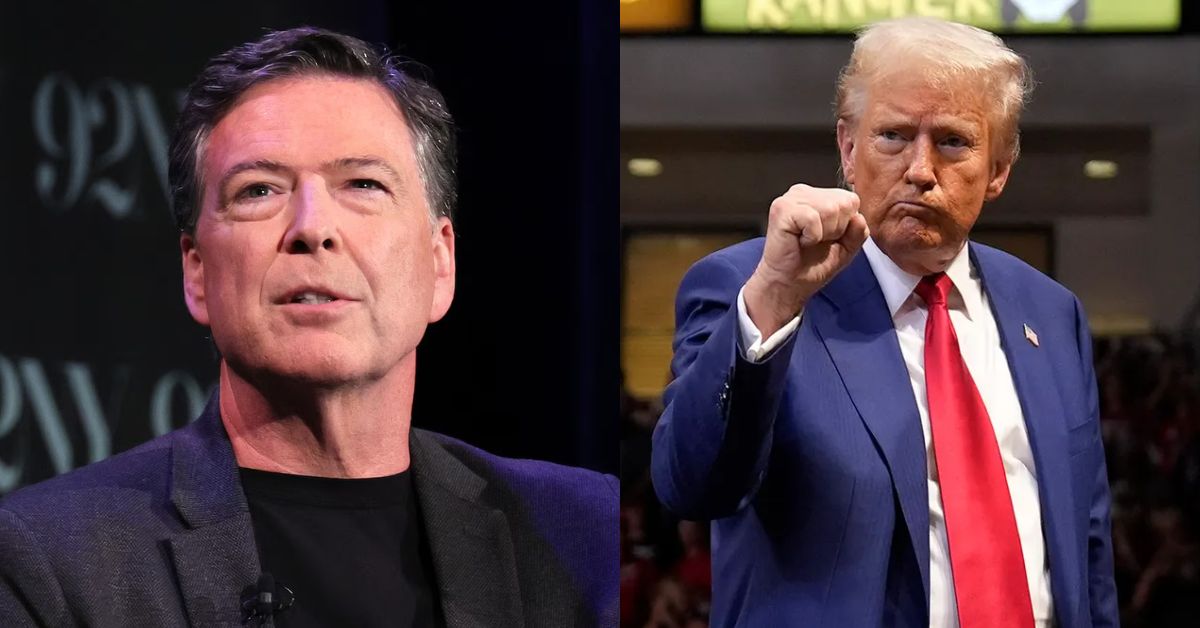

The latest development involving James Comey has placed the former FBI director back at the center of a politically sensitive federal investigation, raising fresh questions about the long-running disputes surrounding the 2016 presidential election and its aftermath.
The subpoena issued to James Comey marks a significant escalation in what prosecutors have described as a wide-ranging “grand conspiracy” probe. The investigation, led by a federal prosecutor appointed during the Trump administration, seeks to revisit key decisions, actions, and intelligence assessments made during and after the election cycle.
As legal and political attention intensifies, the involvement of James Comey is expected to shape both the direction of the investigation and the broader national conversation around accountability, transparency, and the use of prosecutorial authority in politically charged matters.
The Expanding Scope of the James Comey Investigation
The subpoena directed at James Comey is one of more than 130 issued in connection with the ongoing probe, signaling an expansive effort by federal authorities to gather testimony and documentary evidence. Legal experts note that such a high volume of subpoenas typically reflects a complex and multi-layered investigation, often involving numerous individuals across different institutions.
At its core, the probe is examining how earlier investigations into alleged election interference were initiated, conducted, and concluded. Officials involved in intelligence gathering, law enforcement decision-making, and inter-agency coordination are all believed to fall within the scope of inquiry.
The decision to subpoena James Comey suggests that prosecutors are focusing on leadership-level decision-making during that period. As FBI director at the time, Comey oversaw critical phases of the agency’s response to intelligence regarding foreign influence operations, making his testimony particularly relevant to the investigation’s objectives.
Political and Legal Context Surrounding James Comey
The role of James Comey in the events of 2016 has long been a subject of debate across political lines. His public statements, internal decisions, and interactions with other government entities have been scrutinized in multiple prior investigations.
Supporters of the current probe argue that revisiting these issues is necessary to ensure a full understanding of how key decisions were made. They contend that certain actions taken during the original investigations warrant closer examination, particularly in light of ongoing political disagreements about the conclusions reached at that time.
Critics, however, view the renewed focus on James Comey as an extension of broader political conflicts rather than a strictly legal effort. They argue that previous inquiries, including bipartisan and independent reviews, have already addressed the core questions surrounding election interference and law enforcement conduct.
Legal Mechanics of the Subpoena Process
The subpoena issued to James Comey falls under the framework of a grand jury investigation, a process that grants prosecutors significant authority to compel testimony and obtain documents. Grand jury proceedings are typically conducted in secrecy, allowing investigators to gather evidence without public disclosure during early stages.
Recipients of subpoenas, including James Comey, have the option to comply voluntarily or challenge the request in court. Legal challenges may focus on issues such as relevance, scope, or constitutional protections. If contested, a judge may evaluate whether the subpoena meets legal standards and whether compliance would impose undue burden.
In high-profile cases, such as this one, legal disputes over subpoenas often become part of the broader narrative, influencing both public perception and the pace of the investigation.
Historical Background and Continuing Debate
The involvement of James Comey in the investigation cannot be separated from the broader historical context of the 2016 election. Multiple reviews conducted in the years following the election concluded that foreign actors attempted to influence the electoral process. However, those same reviews did not establish a coordinated conspiracy involving campaign officials.
This dual finding has contributed to ongoing disagreements about the interpretation of events. For some, it underscores the need for vigilance against foreign interference. For others, it raises questions about how investigations were conducted and whether conclusions were appropriately framed.
The current probe, and the subpoena of James Comey, represent a continuation of this debate. By revisiting earlier decisions, prosecutors appear to be exploring whether any aspects of the original investigations warrant reconsideration under a different legal or evidentiary lens.
Implications for Government Accountability
The subpoena issued to James Comey has broader implications beyond the immediate legal proceedings. Investigations of this nature often influence how government agencies operate, particularly in areas involving national security and election integrity.
If the probe identifies procedural gaps or areas of concern, it could lead to changes in how intelligence is handled, how inter-agency coordination is structured, and how oversight mechanisms are applied. Such outcomes would have long-term effects on institutional practices and public trust.
At the same time, the investigation raises questions about the balance between accountability and political neutrality. Ensuring that legal processes remain independent from political influence is a central concern for many observers, especially in cases involving high-profile figures like James Comey.
The Role of James Comey as a Key Witness
As a former FBI director, James Comey occupies a unique position within the investigation. His tenure included some of the most consequential decisions related to election-related inquiries, making his perspective central to understanding how those decisions were made.
Testimony from James Comey is expected to address not only specific actions but also the broader decision-making framework within the FBI at the time. This could include discussions of intelligence assessments, internal deliberations, and coordination with other agencies.
Legal analysts suggest that the credibility and clarity of testimony from figures like James Comey may significantly influence the direction of the probe. Statements provided under oath could either reinforce existing conclusions or introduce new lines of inquiry.
Ongoing Legal Challenges and Procedural Questions
The investigation involving James Comey is likely to face a range of legal challenges as it progresses. Issues such as the statute of limitations, the admissibility of evidence, and the validity of prosecutorial appointments may all come into play.
Previous legal disputes related to similar cases have already demonstrated how procedural questions can shape outcomes. Courts may be asked to rule on whether certain aspects of the investigation comply with constitutional and statutory requirements.
For James Comey, any decision to challenge the subpoena could lead to additional legal proceedings, further extending the timeline of the case. Such developments are common in complex investigations involving senior officials and politically sensitive issues.
Public and Political Reactions
The subpoena of James Comey has generated significant attention across the political spectrum. Reactions vary widely, reflecting broader divisions in how the events of 2016 and their aftermath are understood.
Some view the investigation as a necessary step toward ensuring accountability and transparency within government institutions. Others see it as part of an ongoing cycle of politically motivated inquiries that risk undermining confidence in the justice system.
Regardless of perspective, the involvement of James Comey ensures that the case will remain a focal point of public discussion. Media coverage, legal commentary, and political analysis are all likely to continue as new developments emerge.
Broader Impact on Future Investigations
The outcome of the investigation involving James Comey could have lasting implications for how similar cases are handled in the future. Precedents established in this case may influence decisions about when and how to reopen past investigations, particularly those involving politically sensitive topics.
Prosecutors, lawmakers, and oversight bodies may all look to this case as a reference point when considering changes to investigative procedures or legal standards. The balance between thorough inquiry and respect for finality in past decisions is likely to remain a key issue.
Conclusion
The subpoena issued to James Comey marks a pivotal moment in a complex and far-reaching investigation tied to one of the most debated periods in recent political history. As the probe continues, its findings and legal outcomes will shape not only the immediate case but also the broader conversation about accountability, institutional integrity, and the role of law enforcement in politically sensitive matters.
With multiple legal, political, and procedural factors at play, the involvement of James Comey ensures that the investigation will remain under close scrutiny in the weeks and months ahead.