

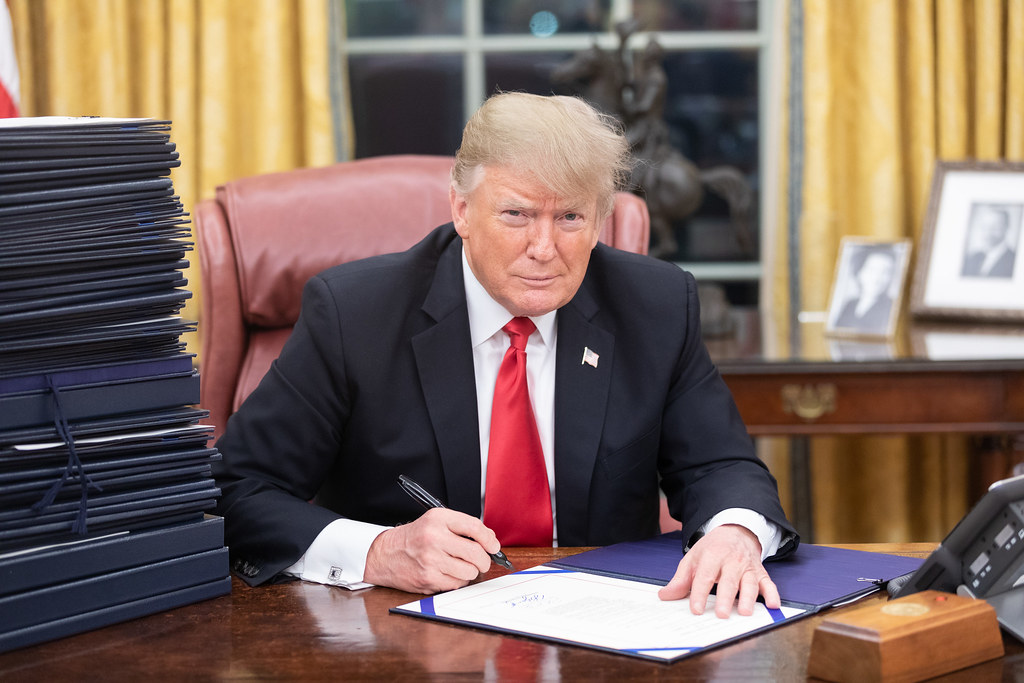

ICE deployment: Key Takeaways
Trump’s ICE Deployment to Airports Amid Shutdown
President Donald Trump has announced plans to send federal immigration agents to airports, a move that comes as the Department of Homeland Security faces a potential shutdown. The deployment is set to begin on Monday, amidst growing concerns over national security and immigration control. This decision has sparked a wave of reactions from political leaders and the general public alike.
The potential shutdown of the Department of Homeland Security has been a point of contention, with Democrats and Republicans at odds over budget allocations. Trump’s decision to deploy Immigration and Customs Enforcement (ICE) agents is perceived as a strategic measure to mitigate the effects of reduced airport security staff. This decision has drawn criticism as it comes at a time of heightened political tension.
Quick Summary
- Trump plans to send ICE agents to airports due to DHS budget issues.
- The move is a response to the potential DHS shutdown affecting security.
- Political leaders are divided on the effectiveness of this strategy.
- ICE deployment aims to compensate for TSA staff shortages.
- Public opinion is mixed regarding the impact on national security.
ICE Agents to Reinforce Airport Security
The primary objective of deploying ICE agents is to bolster security at airports, which have been experiencing staffing shortages due to budget constraints. The Transportation Security Administration (TSA) has been grappling with the effects of reduced personnel, leading to longer wait times and increased passenger frustration. The administration believes that ICE agents can provide much-needed support to ensure security protocols are maintained.
Critics argue that the deployment of ICE agents may not be the most effective solution, as their primary training focuses on immigration enforcement rather than airport security. Nonetheless, the administration maintains that this measure is necessary to address immediate security concerns while the budget impasse is resolved.
Political and Public Reactions
The decision to deploy ICE agents has been met with a spectrum of reactions from political leaders and the public. Some lawmakers support the measure, citing national security as a top priority that must be safeguarded at all costs. Others, however, view it as a politically motivated maneuver that could exacerbate tensions between parties.
Public opinion appears to be divided as well. Some travelers express relief at the prospect of enhanced security at airports, while others are concerned about potential overreach and the implications for civil liberties. The situation remains fluid, with ongoing debates about the best path forward.
Looking Ahead
As the Monday deployment date approaches, all eyes are on the administration and its handling of the DHS budget crisis. The outcome of these efforts will likely have significant implications for national security policies and political dynamics in the coming months. Stakeholders from various sectors continue to weigh in, seeking a resolution that balances security needs with fiscal responsibility.
For more information on the latest developments, visit Digital Chew for in-depth analyses and updates. Additionally, Reuters provides external insights into international perspectives on this issue.
The latest developments connected to ICE deployment have reopened questions about strategy, risk, and timing, particularly for stakeholders who need clearer signals before making their next move. In practical terms, that means watching both official statements and real-world indicators to understand whether the current direction is likely to hold.
In recent coverage, ICE deployment has become a reference point for wider discussions about accountability, communication, and how institutions respond under pressure. Observers say this broader lens is important because the immediate event is often only one part of a larger sequence of decisions.
Beyond the immediate updates, ICE deployment is drawing attention because it links short-term events to longer-term structural trends that are still unfolding. Readers following the story closely are paying particular attention to what changes in response and what remains unresolved after each update.
As the story evolves, reporting on ICE deployment is expected to focus increasingly on measurable impacts, official follow-through, and whether early assumptions hold up. That evidence-based framing helps audiences evaluate momentum without overreacting to isolated developments.
Taken together, these updates show why ICE deployment matters now and why the next round of confirmed information will be critical to understanding the full impact. Analysts caution that the most meaningful shifts may appear gradually, making sustained coverage more useful than one-off snapshots.
Readers looking for practical clarity can treat ICE deployment as a developing story, where each official update adds context to what may happen next. Following that progression over time gives a clearer picture of direction, risk, and likely outcomes.
Conclusion
The deployment of ICE agents to airports represents a significant development in the ongoing DHS budget saga. While it aims to address immediate security concerns, the broader implications of this decision are yet to be fully understood. As political and public discourse continues, the nation watches closely to see how these events unfold.
Analysts say ICE deployment now sits at the center of a broader shift, with consequences that could extend beyond the immediate headline and shape decisions in the coming weeks. They note that early signals often appear in policy language and market behavior before they are reflected in official summaries, which is why context matters as much as the headline itself.
Reporting around ICE deployment has also highlighted how quickly circumstances can change, making context and verified updates essential for readers trying to separate signal from noise. The most reliable coverage connects each new update to the timeline of prior events so audiences can understand what is genuinely new and what is part of a longer trend.
Officials and industry observers are watching ICE deployment closely, noting that the next phase of the story may depend on timing, policy responses, and cross-market reactions. Until those responses become clearer, experts recommend focusing on confirmed developments instead of speculation that can distort short-term expectations.
For audiences tracking ICE deployment, the key is to follow credible sources and focus on developments that reveal direction rather than isolated short-term swings. That approach helps readers understand not just what happened today, but why the story could carry broader implications over the coming weeks.