

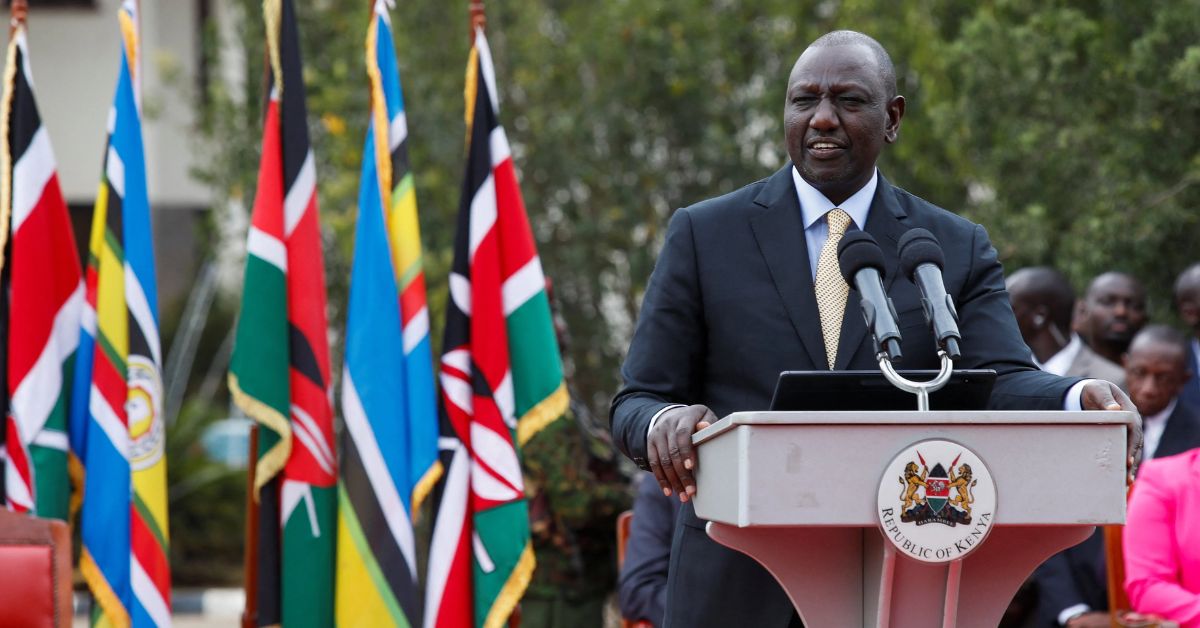

Ruto’s coalition: Key Takeaways
Ruto’s Coalition Faces Internal Challenges Amid Sibling Rivalries
In the latest political developments, President Ruto’s broad-based coalition faces unprecedented challenges as sibling rivalries threaten its unity. The coalition, which was formed with the ambitious goal of uniting diverse political factions, is now grappling with internal conflicts that could destabilize its foundation. Key leaders within the coalition have expressed concerns over the growing tensions, which are reportedly fueled by differences in policy priorities and regional allegiances.
Reports indicate that the internal strife is not only affecting the coalition’s cohesion but also its ability to deliver on key electoral promises. President Ruto has urged leaders within the coalition to address these conflicts promptly to avoid jeopardizing their collective political agenda. The stakes are high, with analysts warning that prolonged discord could lead to significant political ramifications, including the potential loss of state power.
Quick Summary
- President Ruto’s coalition faces internal conflicts due to sibling rivalries.
- Disputes are affecting the coalition’s ability to govern effectively.
- Urgent resolution is necessary to prevent loss of political influence.
- Leadership is encouraged to prioritize unity and collaboration.
- Analysts warn of significant political consequences if conflicts persist.
Underlying Causes of Internal Discord
The primary causes of the ongoing discord within Ruto’s coalition stem from competing interests among its members. Various factions have been unable to reconcile their policy differences, leading to friction in decision-making processes. Moreover, regional loyalties have further complicated efforts to maintain a unified front, with some leaders prioritizing local interests over national objectives.
Political analyst Jane Doe noted, “The coalition’s strength lies in its diversity, but this diversity is also its Achilles’ heel. The challenge is to harness the strengths of different factions while minimizing conflicts.” The coalition’s leadership has been called to mediate these differences effectively and promote a culture of dialogue and compromise.
Efforts Towards Resolution
In response to the escalating tensions, President Ruto has initiated a series of meetings with key coalition leaders to address the underlying issues. These meetings aim to establish common ground and foster a spirit of cooperation among the various factions. In a recent statement, President Ruto emphasized the importance of unity, stating, “Our strength lies in our ability to work together despite our differences. We must focus on our shared goals and the future of our nation.”
Internal sources reveal that the leadership is considering a strategic realignment of responsibilities to better reflect the coalition’s diverse composition. This move is expected to alleviate some of the tensions by ensuring that all factions feel adequately represented in key decision-making processes.
The Role of External Factors
While internal rivalries are a significant concern, external pressures have also contributed to the coalition’s challenges. Increased scrutiny from opposition parties and the media has intensified the focus on the coalition’s internal dynamics. As a result, leaders are under mounting pressure to demonstrate effective governance and unity.
Moreover, the coalition must navigate complex geopolitical landscapes, including regional conflicts and economic instability. These external factors necessitate a cohesive and strategic approach from the coalition to maintain its influence and achieve its political objectives.
The latest developments connected to Ruto’s coalition have reopened questions about strategy, risk, and timing, particularly for stakeholders who need clearer signals before making their next move. In practical terms, that means watching both official statements and real-world indicators to understand whether the current direction is likely to hold.
In recent coverage, Ruto’s coalition has become a reference point for wider discussions about accountability, communication, and how institutions respond under pressure. Observers say this broader lens is important because the immediate event is often only one part of a larger sequence of decisions.
Beyond the immediate updates, Ruto’s coalition is drawing attention because it links short-term events to longer-term structural trends that are still unfolding. Readers following the story closely are paying particular attention to what changes in response and what remains unresolved after each update.
As the story evolves, reporting on Ruto’s coalition is expected to focus increasingly on measurable impacts, official follow-through, and whether early assumptions hold up. That evidence-based framing helps audiences evaluate momentum without overreacting to isolated developments.
Taken together, these updates show why Ruto’s coalition matters now and why the next round of confirmed information will be critical to understanding the full impact. Analysts caution that the most meaningful shifts may appear gradually, making sustained coverage more useful than one-off snapshots.
Readers looking for practical clarity can treat Ruto’s coalition as a developing story, where each official update adds context to what may happen next. Following that progression over time gives a clearer picture of direction, risk, and likely outcomes.
Conclusion
As President Ruto’s coalition navigates through these turbulent times, the focus remains on resolving internal conflicts to preserve its unity and effectiveness. The leadership’s ability to mediate differences and foster collaboration will be crucial in determining the coalition’s future. Ultimately, the coalition’s success hinges on its capacity to adapt and evolve in response to both internal and external challenges.
For further insights into political developments, visit our Politics section. For additional context, you can read the original article on Daily Nation.
Analysts say Ruto’s coalition now sits at the center of a broader shift, with consequences that could extend beyond the immediate headline and shape decisions in the coming weeks. They note that early signals often appear in policy language and market behavior before they are reflected in official summaries, which is why context matters as much as the headline itself.
Reporting around Ruto’s coalition has also highlighted how quickly circumstances can change, making context and verified updates essential for readers trying to separate signal from noise. The most reliable coverage connects each new update to the timeline of prior events so audiences can understand what is genuinely new and what is part of a longer trend.
Officials and industry observers are watching Ruto’s coalition closely, noting that the next phase of the story may depend on timing, policy responses, and cross-market reactions. Until those responses become clearer, experts recommend focusing on confirmed developments instead of speculation that can distort short-term expectations.