

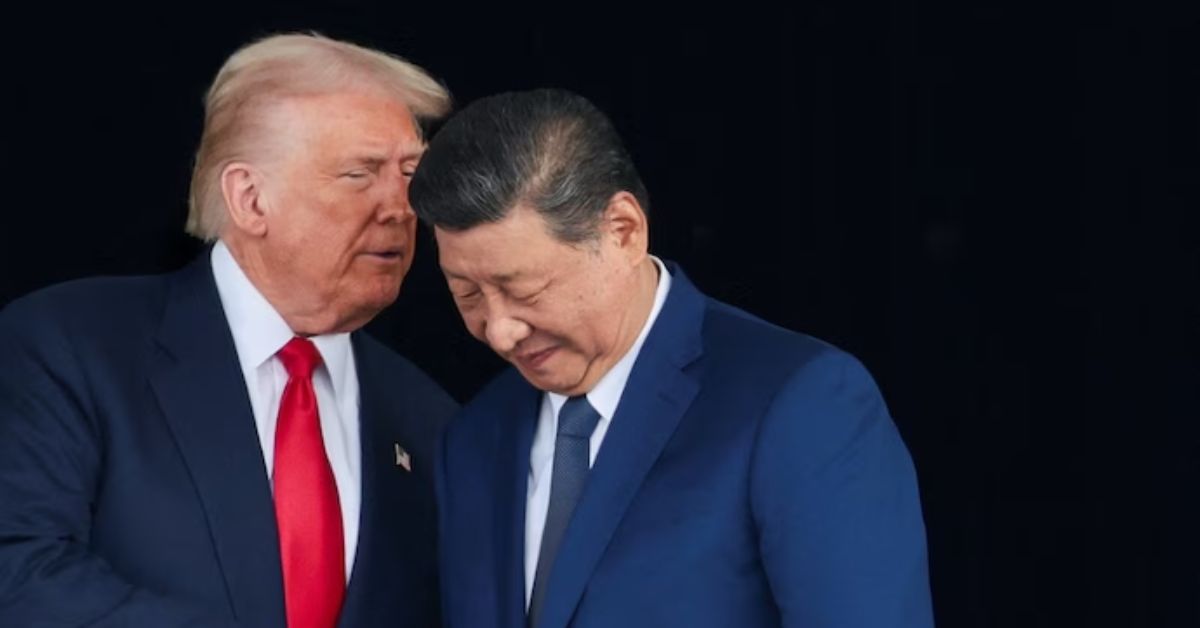

The Trump China visit has been rescheduled to May as rising tensions linked to the Iran conflict continue to reshape global diplomatic priorities.
The decision to delay the highly anticipated trip reflects how rapidly evolving geopolitical events are influencing high-level international engagements. U.S. President Donald Trump confirmed that he will now travel to China on May 14–15, marking his first visit to the country in nearly a decade. The shift in schedule has drawn attention from policymakers, investors, and global observers who are closely monitoring the implications for U.S.-China relations.
The Trump China visit comes at a time when global tensions are already elevated, and the timing of the meeting is expected to carry significant diplomatic weight.
Why the Trump China Visit Was Delayed
The postponement of the Trump China visit was primarily driven by escalating developments surrounding the Iran conflict. U.S. officials have been deeply involved in managing military coordination and strategic responses, which limited the president’s ability to proceed with international travel as originally planned.
According to the administration, the situation in the Middle East required immediate attention, particularly as tensions threatened to disrupt global energy markets and regional stability. The White House indicated that the evolving nature of the conflict made it necessary to prioritize domestic and defense-related decision-making.
Chinese leadership was informed of the delay, and both sides agreed to reschedule the Trump China visit to a later date that would allow for a more focused and productive engagement. The revised timeline reflects a mutual understanding of the broader geopolitical pressures affecting both nations.
Trump China Visit Signals Strategic Importance
Despite the delay, the Trump China visit remains one of the most significant diplomatic events of the year. The meeting between President Trump and Chinese President Xi Jinping is expected to address a wide range of issues that define the relationship between the two global powers.
The Trump China visit is not just symbolic; it represents an opportunity to reset dialogue on key matters such as trade, security, and economic cooperation. Analysts believe that both leaders will use the meeting to explore areas of alignment while managing ongoing disagreements.
Trade remains a central topic, especially in sectors like agriculture and aviation, where both countries have substantial interests. The Trump China visit could also serve as a platform to discuss tariffs, supply chains, and broader economic policies that impact global markets.
Iran Conflict Adds Complexity to Diplomacy
The Trump China visit is taking place against the backdrop of a complex and evolving situation involving Iran. The conflict has introduced new challenges for global diplomacy, particularly for countries with significant economic ties to the region.
China’s position as a major importer of Iranian oil places it in a delicate situation. While Beijing seeks to maintain its economic interests, it also faces pressure from the United States to cooperate in stabilizing global energy markets.
The Trump China visit is expected to include discussions on how both countries can navigate these challenges without escalating tensions further. Energy security, shipping routes, and potential disruptions in key waterways such as the Strait of Hormuz are likely to be part of the dialogue.
The ongoing conflict has also influenced market sentiment, with fluctuations in oil prices and concerns about supply chain disruptions becoming increasingly prominent.
Taiwan Issue Remains Central
Another critical topic during the Trump China visit is the issue of Taiwan, which continues to be a sensitive and contentious point in U.S.-China relations.
The United States has maintained its support for Taiwan, including arms sales and strategic cooperation, which China strongly opposes. Beijing considers Taiwan to be part of its territory, and any external involvement is viewed as interference.
The Trump China visit is expected to include discussions aimed at managing tensions surrounding Taiwan, although experts believe that major breakthroughs are unlikely. Instead, the focus may be on preventing further escalation and maintaining open channels of communication.
The handling of the Taiwan issue during the Trump China visit will be closely watched, as it has significant implications for regional stability and international relations.
Economic Implications of the Trump China Visit
The Trump China visit is also being closely monitored by global markets, which are sensitive to developments in U.S.-China relations.
Investors are particularly interested in signals related to trade policies and economic cooperation. Any indication of progress or tension could influence market movements, including stock prices, currency values, and commodity markets.
The Trump China visit comes at a time when global economic uncertainty is already heightened due to geopolitical conflicts. The outcome of the meeting could provide clarity on future policy directions and help stabilize market expectations.
Supply chains, which have faced disruptions in recent years, are another area of concern. The Trump China visit may include discussions on improving resilience and reducing vulnerabilities in global trade networks.
Diplomatic Messaging and Global Perception
The Trump China visit carries significant diplomatic messaging, not only for the United States and China but also for the broader international community.
The decision to proceed with the visit, despite delays, signals a willingness to engage and maintain dialogue even during periods of tension. This approach is seen as essential for managing complex relationships and preventing misunderstandings.
The Trump China visit also highlights the importance of direct communication between leaders. Face-to-face meetings provide an opportunity to address concerns, clarify positions, and explore potential areas of cooperation.
Global observers view the Trump China visit as a test of how major powers can navigate challenges while maintaining stability. The outcomes of the discussions may influence diplomatic strategies in other regions as well.
Reciprocal Visit to Washington Planned
As part of ongoing diplomatic efforts, plans are underway for a reciprocal visit by Chinese President Xi Jinping to Washington later this year.
This exchange underscores the importance of sustained engagement between the two nations. The Trump China visit is seen as the first step in a broader effort to maintain dialogue and address key issues through continued interaction.
Reciprocal visits are often viewed as a sign of mutual respect and commitment to maintaining a functional relationship. They also provide additional opportunities to build trust and explore solutions to complex challenges.
The Trump China visit and the planned return visit reflect a broader strategy of balancing competition with cooperation.
Global Markets and Strategic Outlook
The Trump China visit has implications that extend beyond diplomacy, influencing global markets and strategic planning.
Energy markets, in particular, are sensitive to developments related to the Iran conflict and U.S.-China relations. The Trump China visit may provide insights into how both countries plan to address potential disruptions.
Investors are also watching for signals related to trade agreements and economic policies. The outcome of the Trump China visit could shape expectations for future negotiations and influence investment decisions.
Geopolitical stability is another key factor, as uncertainty can lead to increased volatility in financial markets. The Trump China visit is expected to play a role in shaping perceptions of stability and cooperation.
Conclusion
The Trump China visit represents a pivotal moment in global diplomacy, shaped by the intersection of geopolitical tensions and strategic priorities.
While the delay underscores the impact of the Iran conflict on international engagements, the rescheduled meeting offers an opportunity for both nations to address critical issues and explore pathways for cooperation.
The Trump China visit is expected to influence not only bilateral relations but also broader global dynamics, including economic stability, regional security, and diplomatic strategies.
As the world watches closely, the outcome of the meeting will provide valuable insights into how major powers navigate challenges and seek to maintain balance in an increasingly complex international landscape.