


Quick Summary: How AI and Automation Are Changing Modern Manufacturing
- Smart Manufacturing Trends 2026 are driven by AI, IoT, and automation advancements.
- Industries are shifting toward data-driven production and predictive systems.
- Experts emphasize verified developments over early-stage hype.
- Adoption speed depends on infrastructure, investment, and workforce readiness.
- Long-term impact will depend on scalability, efficiency gains, and real-world deployment.
Smart Manufacturing Trends 2026 are becoming a central focus as industries worldwide accelerate the integration of artificial intelligence, connected systems, and automation technologies. The shift reflects a broader transformation in how production environments operate, moving from traditional manufacturing toward intelligent, data-driven systems.
At a fundamental level, this evolution is not just about adopting new technologies. It is about understanding how these tools reshape operations, decision-making, and long-term efficiency. As developments continue to unfold, the distinction between verified progress and early speculation remains critical.
Understanding Smart Manufacturing Trends 2026
The emergence of Smart Manufacturing Trends 2026 highlights the growing importance of combining AI, IoT, and automation into a unified ecosystem. These technologies enable manufacturers to monitor processes in real time, predict failures before they occur, and optimize production with greater precision.
In practical terms, the central question is clear: what changes first, and who experiences the impact most quickly? The answer varies depending on factors such as industry type, level of technological maturity, and the speed of implementation.
Early adoption often brings immediate efficiency improvements, but long-term success depends on sustained integration and measurable outcomes. This is why industry experts stress the need to focus on confirmed advancements rather than assumptions about future capabilities.
The Role of AI in Manufacturing Transformation
Artificial intelligence plays a pivotal role in Smart Manufacturing Trends 2026. From predictive maintenance to automated quality control, AI systems are increasingly embedded within production workflows.
These systems analyze large volumes of data to identify patterns, detect anomalies, and recommend actions. This reduces downtime, improves product consistency, and enhances overall operational efficiency.
However, the effectiveness of AI depends on data quality and system integration. Without reliable data inputs, even advanced algorithms may fail to deliver meaningful results. This highlights the importance of building strong data infrastructure alongside AI adoption.
IoT and Connected Systems Driving Change
The Internet of Things is another key component shaping Smart Manufacturing Trends 2026. Connected devices enable continuous data collection from machines, sensors, and production lines.
This connectivity provides real-time visibility into operations, allowing manufacturers to respond quickly to changes and maintain consistent performance. It also supports remote monitoring, which has become increasingly important in global production environments.
The challenge lies in managing the vast amount of data generated by these systems. Effective data processing and security measures are essential to ensure that insights are both accurate and actionable.
Automation and Operational Efficiency
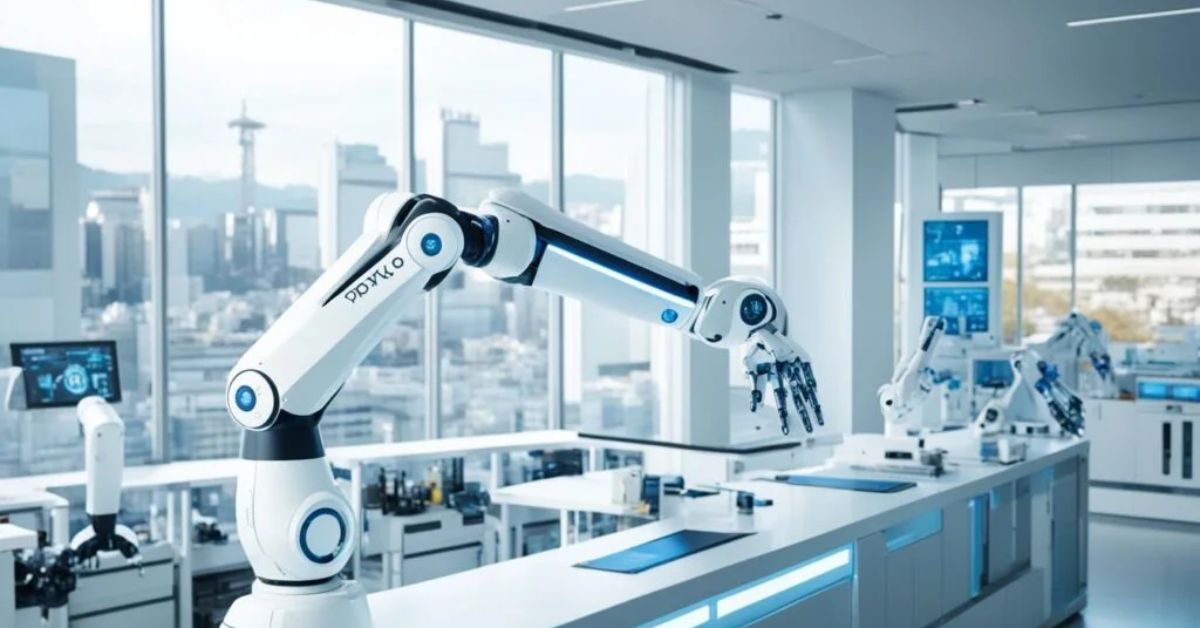
Automation remains a cornerstone of Smart Manufacturing Trends 2026. Advanced robotics and automated systems are being deployed to handle repetitive tasks, reduce human error, and increase production speed.
These systems not only improve efficiency but also enable manufacturers to scale operations more effectively. By automating routine processes, organizations can allocate human resources to more complex and strategic tasks.
However, automation also raises questions about workforce adaptation. Training and reskilling become critical as roles evolve alongside technological advancements.
Why Verified Developments Matter
As with any rapidly evolving trend, the importance of verified information cannot be overstated. Early reports often provide only a partial view, making it essential to focus on confirmed developments.
In the context of Smart Manufacturing Trends 2026, this means tracking real implementations, measurable outcomes, and documented case studies. These elements provide a clearer understanding of what is actually changing within the industry.
The sequence of events also plays a key role. Understanding what happened first, how stakeholders responded, and what changed afterward helps distinguish meaningful progress from routine updates.
Broader Industry Context
Context is essential when evaluating Smart Manufacturing Trends 2026. A single technological advancement may appear minor on its own but can become significant when viewed within a broader industry shift.
Factors such as global supply chain challenges, increasing demand for efficiency, and ongoing digital transformation initiatives all contribute to the growing importance of smart manufacturing.
Timing is another critical factor. Developments that align with broader economic and technological trends are more likely to gain traction and deliver lasting impact.
Evaluating Real-World Impact
Assessing the real impact of Smart Manufacturing Trends 2026 requires focusing on tangible results. Key indicators include improved productivity, reduced downtime, and enhanced product quality.
These outcomes provide a more reliable measure of success than initial excitement or market speculation. Without measurable improvements, it becomes difficult to determine whether a trend has long-term value.
Another important consideration is whether new developments change the overall direction of the industry or simply add incremental improvements. This distinction helps clarify the significance of each update.
Risks and Challenges
Despite the potential benefits, Smart Manufacturing Trends 2026 also present several challenges. These include high implementation costs, data security concerns, and the complexity of integrating new systems with existing infrastructure.
Organizations must carefully evaluate these factors before adopting new technologies. A well-planned approach can help mitigate risks and ensure a smoother transition.
Uncertainty remains a key aspect of any emerging trend. Understanding the limitations of current developments can help organizations make more informed decisions.
What Comes Next
The future of Smart Manufacturing Trends 2026 will depend on how industries respond to current developments. Key factors include investment levels, regulatory frameworks, and technological advancements.
As more companies adopt these technologies, best practices will begin to emerge. This will help standardize processes and improve overall efficiency across the industry.
Continued innovation is expected to drive further changes, but the pace of adoption will vary depending on regional and sector-specific factors.
Long-Term Outlook
The long-term outlook for Smart Manufacturing Trends 2026 is promising but uncertain. If current developments continue to evolve, they have the potential to reshape the manufacturing landscape.
Success will depend on the ability to integrate technologies effectively, maintain data integrity, and deliver measurable results. Organizations that achieve these goals are likely to gain a competitive advantage.
However, not all initiatives will succeed. The ones that do will be those that move beyond initial hype and demonstrate real-world value over time.
Conclusion
For now, Smart Manufacturing Trends 2026 are defined by verified developments, industry responses, and the pace of technological adoption. While early interest highlights strong potential, the true impact will depend on how these trends evolve in practice.
As more information becomes available, the overall picture will become clearer. Until then, the most reliable approach is to focus on confirmed facts and measurable outcomes rather than speculation.
For more updates, read the latest news on Digital Chew.