


Quick Summary: Ordinance 26 – 26 Passes First Reading, Targets DHS and Data Centers
- Neptune Township introduced Ordinance 26-26 on June 22, 2026, banning data centers and DHS detention centers — a comprehensive land-use prohibition.
- The ordinance defines data centers broadly, including those related to AI, blockchain, and crypto mining — aiming to prevent industrialization.
- The ban is permanent, targeting DHS detention centers, highlighting a stance against federal immigration enforcement presence.
- The ordinance passed its first reading and is set for a public hearing and final vote — the next major committee meeting is scheduled for July 13, 2026.
- Neptune officials have bundled two contentious issues, making a bold statement on development and federal involvement.
Source: Open external resource
Source: Read original article
Neptune Township has made a bold move, setting the stage for a heated debate over land use and federal involvement. On June 22, 2026, the Township Committee introduced Ordinance 26-26, which aims to permanently ban both data centers and Department of Homeland Security detention centers from every zoning district. This sweeping ordinance goes beyond mere symbolism, directly challenging two politically sensitive issues at once.
The ordinance’s language is notably comprehensive, defining data centers to include facilities related to artificial intelligence, blockchain, and crypto mining. This broad scope is designed to address concerns over power demand, noise, and industrialization that such centers bring. Simultaneously, by prohibiting DHS-linked detention centers, Neptune Township is making a clear statement against the presence of federal immigration enforcement within its borders.
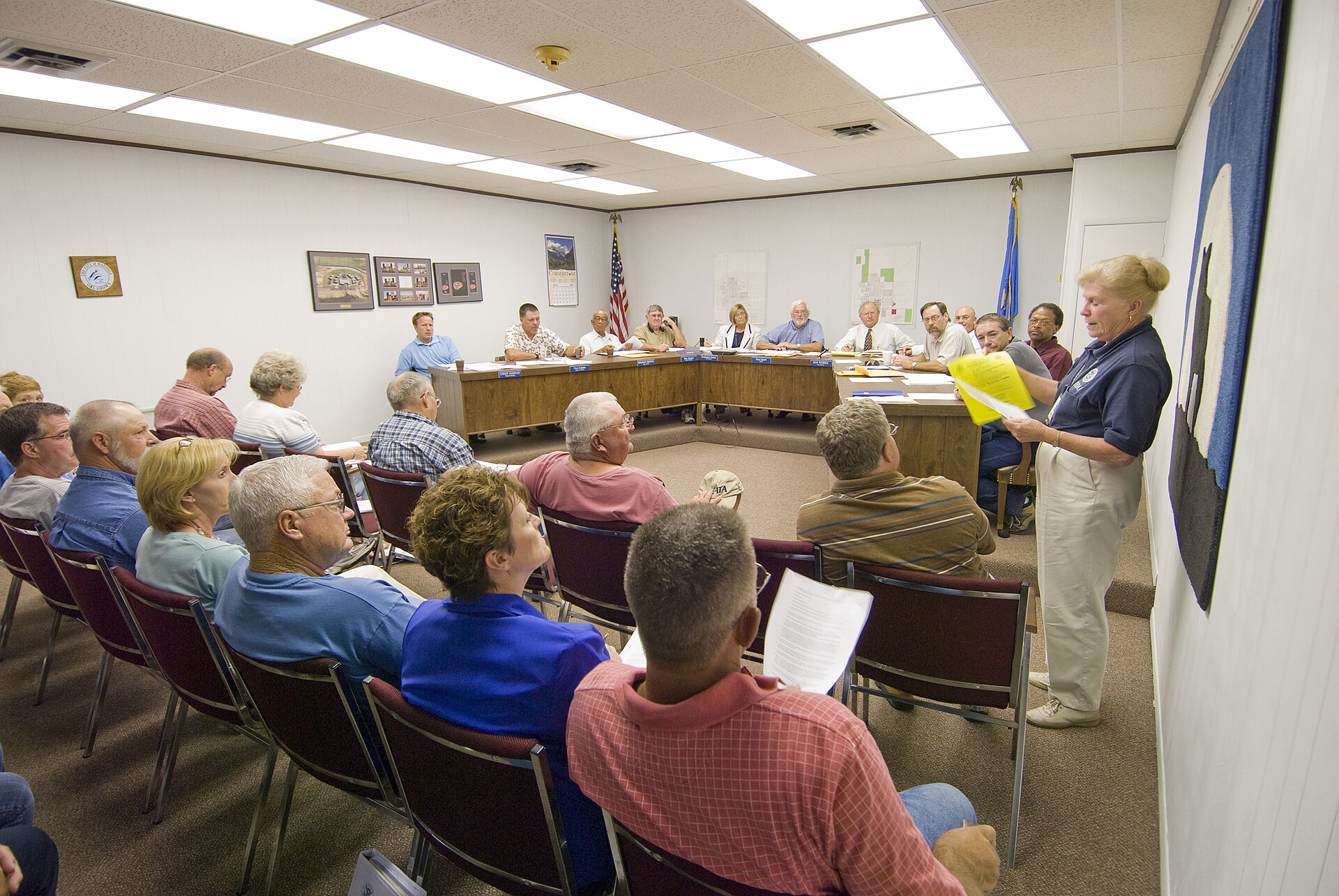
This ordinance is not a temporary measure but a permanent zoning change, indicating Neptune’s firm stance on these issues. The ordinance has passed its first reading, and the next critical step is a public hearing and final vote, scheduled for July 13, 2026. This meeting will be a pivotal moment where residents, activists, and business interests can voice their opinions and potentially influence the outcome.
By combining these two contentious issues into one ordinance, Neptune Township officials are not just proposing a zoning amendment; they are asserting what kind of development and federal presence the township will accept. This move distinguishes Neptune from other local governments that have recently opposed data centers, making it a focal point in the ongoing debate over land use and federal authority.
The upcoming public hearing will be the true test of whether Neptune can maintain this ambitious ban. The ordinance’s progression will be closely watched, as it embodies a broader narrative about local governance and community values in the face of federal and industrial pressures.
Neptune Township’s most significant move this week was not just symbolic: on June 22, 2026, the Township Committee put forward Ordinance 26-26 to outlaw both data centers and Department of Homeland Security detention centers in every zoning district, a sweeping land-use ban that goes beyond a narrow ICE fight and directly blocks two politically explosive uses at once. Neptune’s 2026 committee schedule shows a regular meeting on June 22, and the public-notice page confirms a pending ordinance cycle in late June.
Even without fresh meeting quotes in the official packet, that act alone is the substantive development: the ban has been formalized into ordinance text and placed on the governing body’s agenda. The key new detail in the official June 22 agenda packet is the ordinance’s scope.
The TAPinto headline says the measure “passes first reading,” but the most current municipal materials publicly visible right now are the June 22 agenda packet and ordinance text itself, which clearly show Ordinance 26-26 lined up for committee action and spell out the exact ban language. If Ordinance 26-26 follows that track, that meeting would likely become the decisive hearing where residents, activists, business interests, and any legal skeptics test whether Neptune can keep the ban intact, amend it, or abandon it before final adoption.
In plain terms, if the ordinance is finally adopted, Neptune would be saying there is no zone anywhere in town where either a data center or a DHS-linked detention center is allowed. By combining them in one ordinance, Neptune officials have turned what might have been a conventional zoning amendment into a broader statement about what kind of development and federal presence the township will tolerate.
That combination is what makes the ordinance stand out from many other recent local anti-data-center moves. ” The language is unusually broad: it defines a “data center” to include “internet data center” and “cloud data center,” plus uses tied to “artificial intelligence and machine learning,” “blockchain and crypto mining,” and other computing, storage, processing, and transmission functions.
On June 22, 2026, the Township Committee introduced Ordinance 26-26, which aims to permanently ban both data centers and Department of Homeland Security detention centers from every zoning district. Neptune Township’s most significant move this week was not just symbolic: on June 22, 2026, the Township Committee put forward Ordinance 26-26 to outlaw both data centers and Department of Homeland Security detention centers in every zoning district, a sweeping land-use ban that goes beyond a narrow ICE fight and directly blocks two politically explosive uses at once.
The ordinance has passed its first reading, and the next critical step is a public hearing and final vote, scheduled for July 13, 2026. Quick Summary: Neptune Township: ICE And Data Center Prohibition Ordinance Passes First Reading – TAPinto Neptune Township introduced Ordinance 26-26 on June 22, 2026, banning data centers and DHS detention centers — a comprehensive land-use prohibition.
The ban is permanent, targeting DHS detention centers, highlighting a stance against federal immigration enforcement presence. Neptune’s 2026 committee schedule shows a regular meeting on June 22, and the public-notice page confirms a pending ordinance cycle in late June.
If Ordinance 26-26 follows that track, that meeting would likely become the decisive hearing where residents, activists, business interests, and any legal skeptics test whether Neptune can keep the ban intact, amend it, or abandon it before final adoption. The ordinance defines data centers broadly, including those related to AI, blockchain, and crypto mining — aiming to prevent industrialization.
The scale and speed of this development has caught many observers off guard. Each new update adds another dimension to a story that is still unfolding, and the full picture will only become clear as more verified details emerge from the people and institutions directly involved.
Analysts who have tracked this issue closely say the current moment represents a genuine turning point. The decisions made in the coming weeks are expected to set the direction for months ahead, with ripple effects likely to extend well beyond the immediate actors in the story.
For those directly affected, the practical impact is already visible. People navigating this fast-changing situation are dealing with real consequences while new information continues to reshape what is known and what remains open to interpretation.
Historical parallels offer some context, though experts caution against drawing too close a comparison. Similar situations have played out before, but the specific combination of pressures, personalities, and timing here makes this moment distinct in ways that matter for how it ultimately resolves.
The political and economic dimensions of this story are deeply intertwined. What appears as a single event on the surface is in practice the convergence of multiple pressures that have been building quietly over a longer period than most public reporting has captured.