

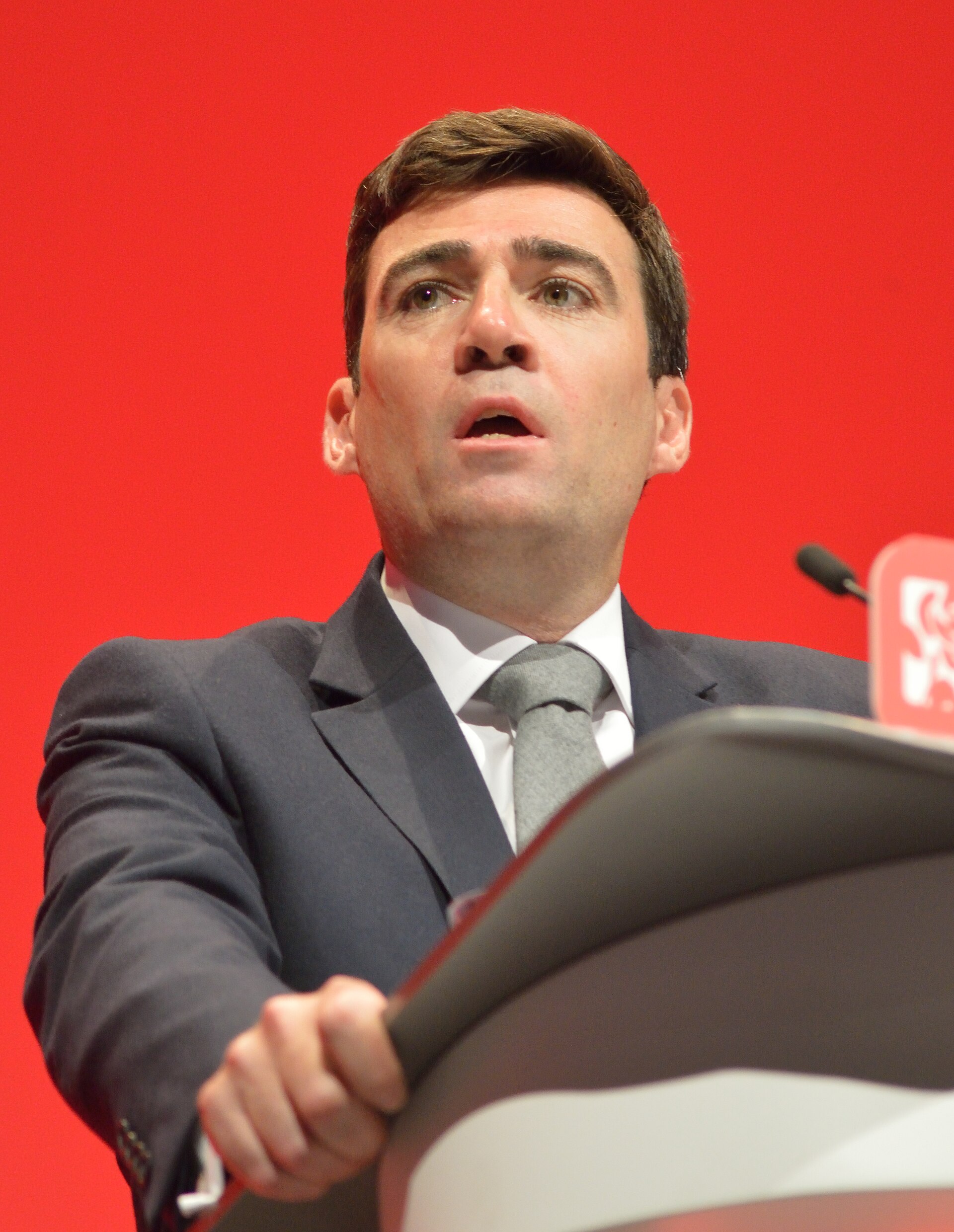

Quick Summary: Burnhams Economic Vision Constrained By Starmers Fiscal Rules
- Andy Burnham is expected to take over Prime Minister’s Questions by July 17, amid a tight timeline.
- Burnham’s rise was partly due to dissatisfaction with Starmer, but he faces continuity pressures.
- Burnham is preparing an economic speech but is constrained by existing fiscal rules.
- There is tension between Burnham and Starmer, highlighted by a ‘frosty’ recent meeting.
- Personnel changes may signal policy shifts, but fiscal continuity remains likely.
Source: Open external resource
Source: Read original article
Andy Burnham faces a political tightrope as he prepares to step into the shoes of outgoing UK Prime Minister Keir Starmer. Despite signaling a desire to break from Starmer’s policies, Burnham is already feeling the constraints of continuity. Starmers is at the center of this development.
The pressure is on for Burnham to define his leadership style amid a compressed timeline. With just a few weeks until he is expected to take over Prime Minister’s Questions, Burnham must navigate existing commitments on spending and defense that were set during Starmer’s tenure. This challenge is compounded by internal party tensions and a lack of room for a significant policy shift.
Burnham’s upcoming economic speech is seen as a critical moment in his nascent leadership. While his supporters hope for a bold agenda, reports suggest he may be sticking to the established fiscal rules, disappointing those looking for a dramatic shift from Starmerism. The political landscape remains fraught with challenges as Burnham attempts to balance continuity with change.
The most important new development is that Burnham is expected to begin setting out his own agenda next week, but multiple reports say the room for a real break with Starmer is much narrower than his supporters had implied after Starmer announced his resignation on June 22, 2026. Burnham had just returned to Westminster after winning the Makerfield by-election on June 19, and within three days Starmer said he would quit as prime minister and remain only as caretaker until Labour chose a successor.
Reporting also notes there are only four Wednesdays between Starmer’s resignation week and July 17, when Burnham is expected to be in position to take over prime minister’s questions, though one of those Wednesdays is disrupted by the NATO summit. Burnham won Makerfield on June 19, Starmer announced his resignation on June 22, and by June 24 Labour was already publicly fighting over transition terms and policy boundaries.
The Guardian reported that James Purnell is set to become Burnham’s chief of staff, a serious signal to Westminster that Burnham is building an experienced operation fast, while BBC-reported details cited in live coverage suggested he has decided not to keep Rachel Reeves as chancellor. That tension is the story’s core revelation because Burnham’s rise was powered in part by dissatisfaction with Starmer, but the machinery of government and party management appears to be forcing continuity almost from day one.
ITV reported this week that Trump’s first verdict on Burnham was to call him “extremely liberal,” while also signaling disappointment with Britain’s stance on Iran. After that, the unresolved issues are who runs the Treasury, whether the defence investment plan is amended or simply accepted, and whether Burnham can persuade Labour MPs and members that continuity is strategy rather than surrender.
Since then, the relationship has reportedly turned visibly strained: ITV and the Guardian both described a “frosty” meeting between the two men this week, with one brewing dispute centered on a defence investment plan that had already triggered the resignation of Defence Secretary John Healey earlier in June. In other words, Burnham is trying to inherit power while a major national-security spending blueprint is still being locked in by the man he is replacing.
Burnham won Makerfield on June 19, Starmer announced his resignation on June 22, and by June 24 Labour was already publicly fighting over transition terms and policy boundaries. That tension is the story’s core revelation because Burnham’s rise was powered in part by dissatisfaction with Starmer, but the machinery of government and party management appears to be forcing continuity almost from day one.
There is tension between Burnham and Starmer, highlighted by a ‘frosty’ recent meeting. Personnel changes may signal policy shifts, but fiscal continuity remains likely.
The scale and speed of this development has caught many observers off guard. Each new update adds another dimension to a story that is still unfolding, and the full picture will only become clear as more verified details emerge from the people and institutions directly involved.
Analysts who have tracked this issue closely say the current moment represents a genuine turning point. The decisions made in the coming weeks are expected to set the direction for months ahead, with ripple effects likely to extend well beyond the immediate actors in the story.
For those directly affected, the practical impact is already visible. People navigating this fast-changing situation are dealing with real consequences while new information continues to reshape what is known and what remains open to interpretation.
Historical parallels offer some context, though experts caution against drawing too close a comparison. Similar situations have played out before, but the specific combination of pressures, personalities, and timing here makes this moment distinct in ways that matter for how it ultimately resolves.
The political and economic dimensions of this story are deeply intertwined. What appears as a single event on the surface is in practice the convergence of multiple pressures that have been building quietly over a longer period than most public reporting has captured.