


Quick Summary: GAO Testifies on Fraud Indicators Amid $60m Funding Claims
- Senator Josh Hawley highlighted a claim of over $60 million in funding to 14 groups in Minnesota, linked to Soros and others.
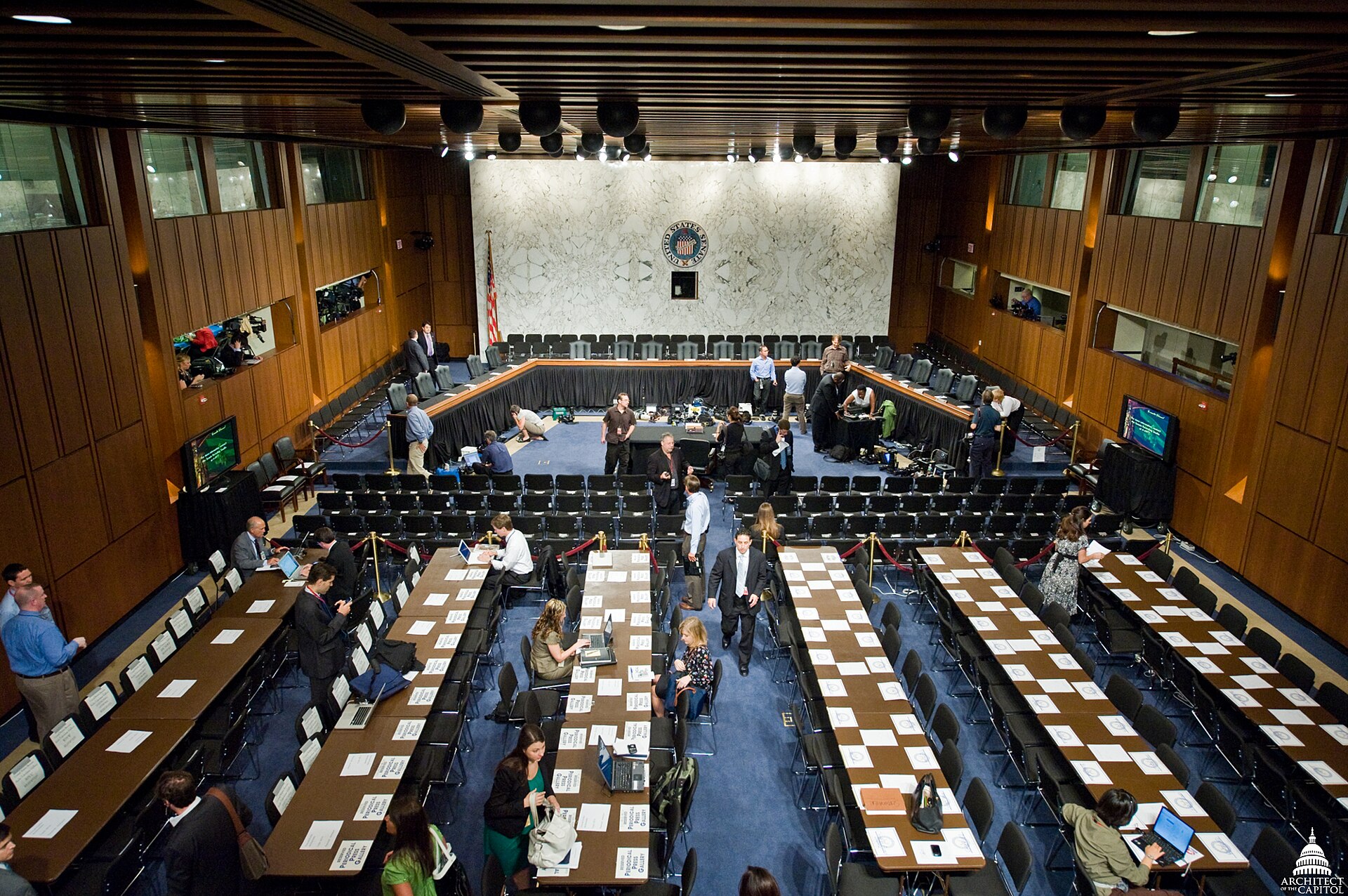
- The Senate Judiciary Subcommittee on Border Security and Immigration held the hearing on February 10, 2026.
- Republican senators aim to turn these claims into a Justice Department investigation.
- The hearing’s focus was on alleged fraud, immigration abuse, and protest coordination in Minnesota.
- GAO testimony revealed widespread fraud indicators in humanitarian parole applications.
Source: Open external resource
Source: Read original article
In a political theater that could rival any drama, the Senate Judiciary Subcommittee on Border Security and Immigration recently held a hearing that has sent shockwaves through the political landscape. The claim? Over $60 million in funding allegedly funneled to 14 organizations in Minnesota, supposedly linked to networks associated with George Soros, Arabella, and Neville Roy Singham.
Senator Josh Hawley, a vocal critic, has seized upon these allegations, demanding a full-scale investigation by the Department of Justice. According to Hawley, this isn’t just about funding activism—it’s about supporting riot activity. He insists that prosecutions should follow, urging the DOJ to untangle what he describes as a web of dark money.
The hearing, chaired by Senator John Cornyn, was not just about financial allegations. It highlighted broader issues of fraud, immigration abuse, and protest coordination. The Government Accountability Office (GAO) added fuel to the fire with testimony about widespread fraud indicators in humanitarian parole applications, providing a factual backbone to the proceedings.
As the political and rhetorical battle intensifies, the real question remains: will these explosive allegations lead to a formal investigation, or will they remain a highly charged accusation within a Senate hearing? The headline has certainly traveled far, but the full story is yet to unfold.
The core allegation came from Senator Josh Hawley’s side of the story, not from a new court filing or government audit this week: in a February 11 statement recapping the hearing, Hawley said Bruner, vice president of the Government Accountability Institute, testified that his team had identified more than $60 million flowing to roughly 14 organizations active in Minnesota. The hearing itself was held on Tuesday, February 10, 2026, by the Senate Judiciary Subcommittee on Border Security and Immigration, chaired by Senator John Cornyn, under the title Somali Fraud in Minnesota – The Tip of the Iceberg.
So the most important present-tense development is not that a hidden network was definitively proven in court, but that Republican senators have put a witness’s “over $60 million” claim into the official hearing record and are now trying to convert it into DOJ scrutiny, more hearings, and a larger narrative about fraud, immigration, and protest coordination in Minnesota. It also said about 774,000 noncitizens were granted parole from May 2022 through September 2024 across three humanitarian parole processes.
A notable twist is that the Economic Times item the user cited appears to be built around a short ET Now video package rather than a deeply reported original article, while the most detailed sourcing available right now comes from Senate and senator press pages. Unless the Justice Department, state investigators, or subpoena-backed committee work produces grant records, internal communications, or named recipient entities beyond the current “approximately 14 groups” claim, the next phase of this story will turn on whether these explosive allegations become a formal investigation or remain a highly charged Senate hearing accusation.
6 million supporter applications tied to humanitarian parole programs. GAO said fraud indicators were widespread and cited examples including information belonging to deceased individuals and “thousands of applications” containing fictitious supporter information.
In other words, the headline has traveled faster than any independently verified accounting of the alleged $60 million network. Koran also described violence against federal agents in graphic terms, saying one officer “had their finger bitten off” and others were hit with “frozen bottles” and stones.
It also said about 774,000 noncitizens were granted parole from May 2022 through September 2024 across three humanitarian parole processes. Unless the Justice Department, state investigators, or subpoena-backed committee work produces grant records, internal communications, or named recipient entities beyond the current “approximately 14 groups” claim, the next phase of this story will turn on whether these explosive allegations become a formal investigation or remain a highly charged Senate hearing accusation.
Over $60 million in funding allegedly funneled to 14 organizations in Minnesota, supposedly linked to networks associated with George Soros, Arabella, and Neville Roy Singham. The Government Accountability Office (GAO) added fuel to the fire with testimony about widespread fraud indicators in humanitarian parole applications, providing a factual backbone to the proceedings.
The scale and speed of this development has caught many observers off guard. Each new update adds another dimension to a story that is still unfolding, and the full picture will only become clear as more verified details emerge from the people and institutions directly involved.
Analysts who have tracked this issue closely say the current moment represents a genuine turning point. The decisions made in the coming weeks are expected to set the direction for months ahead, with ripple effects likely to extend well beyond the immediate actors in the story.
For those directly affected, the practical impact is already visible. People navigating this fast-changing situation are dealing with real consequences while new information continues to reshape what is known and what remains open to interpretation.
Historical parallels offer some context, though experts caution against drawing too close a comparison. Similar situations have played out before, but the specific combination of pressures, personalities, and timing here makes this moment distinct in ways that matter for how it ultimately resolves.
The political and economic dimensions of this story are deeply intertwined. What appears as a single event on the surface is in practice the convergence of multiple pressures that have been building quietly over a longer period than most public reporting has captured.