

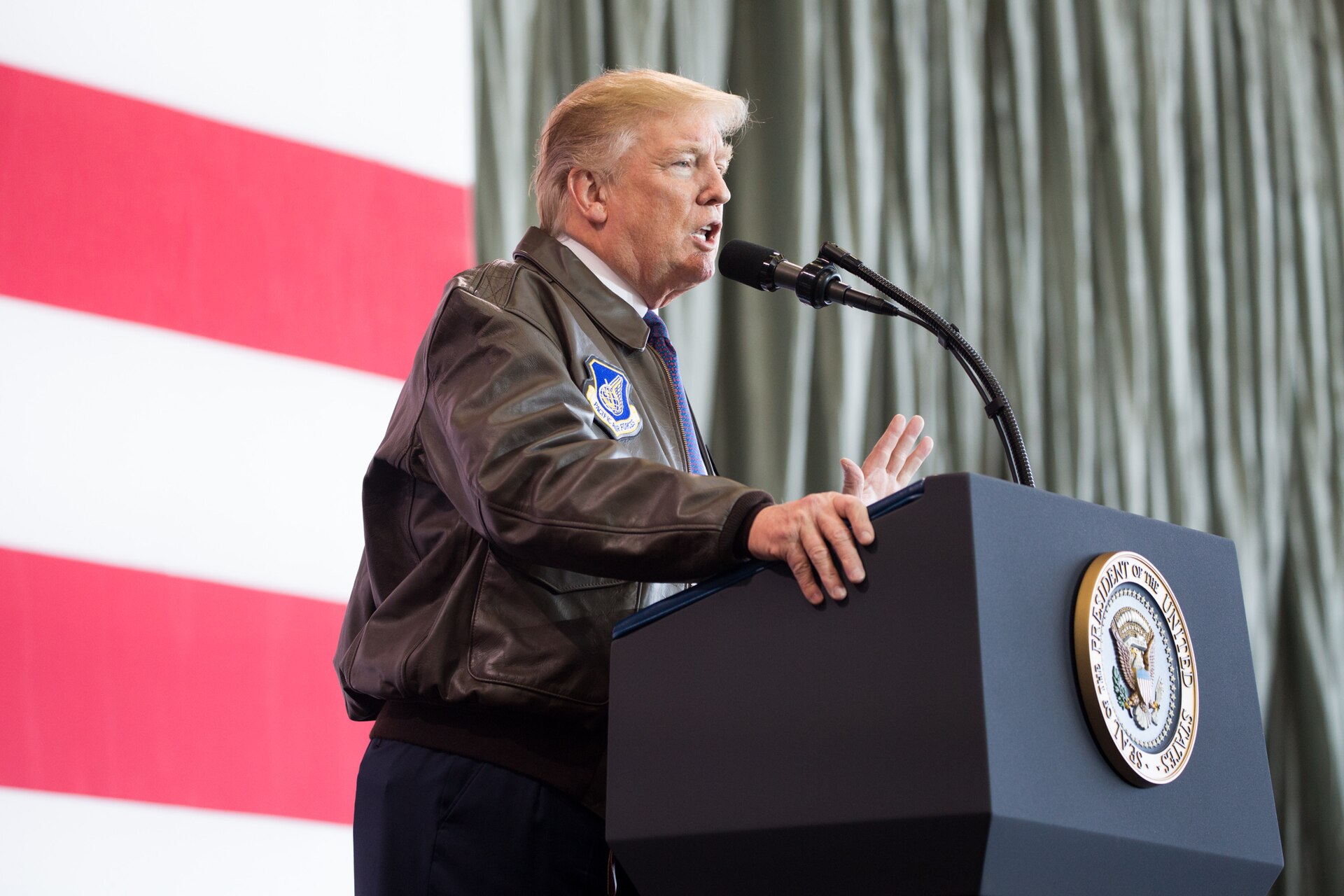

Quick Summary: Trumps July 4th Speech at Mount Rushmore Pushes Political Agenda
- Trump visited the Theodore Roosevelt Presidential Library, comparing himself favorably to Roosevelt, as reported by AP.
- Interior Secretary Doug Burgum introduced Trump at Mount Rushmore, where fireworks returned after six years, despite environmental concerns.
- On July 4, Trump called the 250th anniversary a significant milestone, framing the Mount Rushmore speech as part of a broader campaign.
- The event marked the 250th anniversary of American independence with 60-foot presidential carvings and the return of fireworks.
- Trump posted a video showing a gilded Mount Rushmore with his face added, according to ABC and Good Morning America.
Source: Open external resource
Source: Read original article
Donald Trump’s Fourth of July speech at Mount Rushmore was anything but a routine patriotic celebration. Instead, it was a carefully orchestrated political statement, full of grand gestures and controversial declarations. As he stood before the iconic carvings of America’s founding fathers, Trump seized the moment to deliver a message that was as much about his political ambitions as it was about celebrating American independence.
Trump’s visit to the newly built Theodore Roosevelt Presidential Library earlier in the week set the stage for his Mount Rushmore appearance. By comparing himself to the 26th president, Trump aligned himself with a legacy of American leadership. The event at Mount Rushmore, introduced by Interior Secretary Doug Burgum, was marked by the return of fireworks after a six-year hiatus, despite environmental concerns over wildfire risks and drought.
The speech itself was a rallying cry against what Trump described as a “communist menace,” pushing a partisan agenda under the guise of a national celebration. His call to abolish the filibuster and pass the SAVE America Act was a clear legislative demand, framing the event as both a celebration and a political mobilization effort.
Adding to the spectacle, Trump posted a social-media video showing a gilded version of Mount Rushmore with his own face added, sparking further controversy. This move, along with a proposed bill to add his likeness to the monument, turned the event into a cultural flashpoint.
Ultimately, Trump’s Mount Rushmore speech was less about honoring the past and more about shaping his political future. It was a bold fusion of patriotic spectacle and personal ambition, setting the stage for the upcoming midterm elections and beyond.
President Donald Trump spoke at Mount Rushmore National Memorial in Keystone, South Dakota, on Friday, July 3, 2026, opening the semiquincentennial celebrations a day before July 4 and using the setting to sharpen his midterm-election message rather than stick to a traditionally unifying Independence Day tone. The central conflict driving coverage is the split between the event’s stated purpose — celebrating 250 years of American independence — and Trump’s decision to turn it into a partisan warning about domestic enemies, progressive Democrats and immigration.
AP reported that on Wednesday, July 1, he visited the newly built Theodore Roosevelt Presidential Library in North Dakota, a 96,000-square-foot facility, where he praised Roosevelt and compared himself favorably to the 26th president. Interior Secretary Doug Burgum introduced him, and the event featured fireworks at Mount Rushmore for the first time in six years despite worries about wildfire risk, drought and above-average temperatures in South Dakota, a detail that made the celebration itself newly contentious.
On Saturday, July 4, AP reported he continued the message in Washington, calling the 250th anniversary “one of the most joyous and glorious milestones of all time,” underscoring that the Mount Rushmore speech was not a one-off but the opening act of a multiday political and patriotic campaign. The celebration marked the 250th anniversary of American independence; Mount Rushmore displayed giant 60-foot presidential carveouts over the crowd, according to Bloomberg-syndicated reporting; the Theodore Roosevelt library Trump visited earlier in the week measures 96,000 square feet; and the fireworks returned after a six-year absence.
” Trump also posted a social-media video showing a gilded version of Mount Rushmore with his own face added beside Abraham Lincoln, according to ABC and Good Morning America. Those figures matter because they show how much scale, federal symbolism and spectacle surrounded the appearance, making the controversy over message and self-mythologizing impossible to dismiss as a routine stump speech.
The next major test is whether Trump’s call to abolish the filibuster and advance the SAVE America Act gains any traction in Congress, where CBS framed it as the concrete ask emerging from the speech. The most repeated line in the newest coverage was Trump’s declaration that “Communism is a mortal threat to American liberty,” a phrase highlighted by AP, CBS and Reuters-based reports as the defining substance of the speech rather than the patriotic staging or fireworks.
By comparing himself to the 26th president, Trump aligned himself with a legacy of American leadership. Interior Secretary Doug Burgum introduced him, and the event featured fireworks at Mount Rushmore for the first time in six years despite worries about wildfire risk, drought and above-average temperatures in South Dakota, a detail that made the celebration itself newly contentious.
The scale and speed of this development has caught many observers off guard. Each new update adds another dimension to a story that is still unfolding, and the full picture will only become clear as more verified details emerge from the people and institutions directly involved.
Analysts who have tracked this issue closely say the current moment represents a genuine turning point. The decisions made in the coming weeks are expected to set the direction for months ahead, with ripple effects likely to extend well beyond the immediate actors in the story.
For those directly affected, the practical impact is already visible. People navigating this fast-changing situation are dealing with real consequences while new information continues to reshape what is known and what remains open to interpretation.
Historical parallels offer some context, though experts caution against drawing too close a comparison. Similar situations have played out before, but the specific combination of pressures, personalities, and timing here makes this moment distinct in ways that matter for how it ultimately resolves.
The political and economic dimensions of this story are deeply intertwined. What appears as a single event on the surface is in practice the convergence of multiple pressures that have been building quietly over a longer period than most public reporting has captured.