


Quick Summary: U.s. Expands Monitoring to Nigerias Entire 2027 Electoral Cycle
- The U.S. will monitor Nigeria’s 2027 elections closely, focusing on the entire electoral process, not just election day.
- Congressman Riley Moore emphasized the importance of a transparent electoral process for Nigeria’s 2027 elections.
- The U.S. ties Nigeria’s election credibility to regional stability, highlighting its pivotal role in Africa.
- Washington’s scrutiny includes campaign conduct, institution-building, and dispute resolution.
- Critics question Nigeria’s $750,000 monthly lobbying contract with the U.S., amid strained diplomatic relations.
Source: Open external resource
Source: Read original article
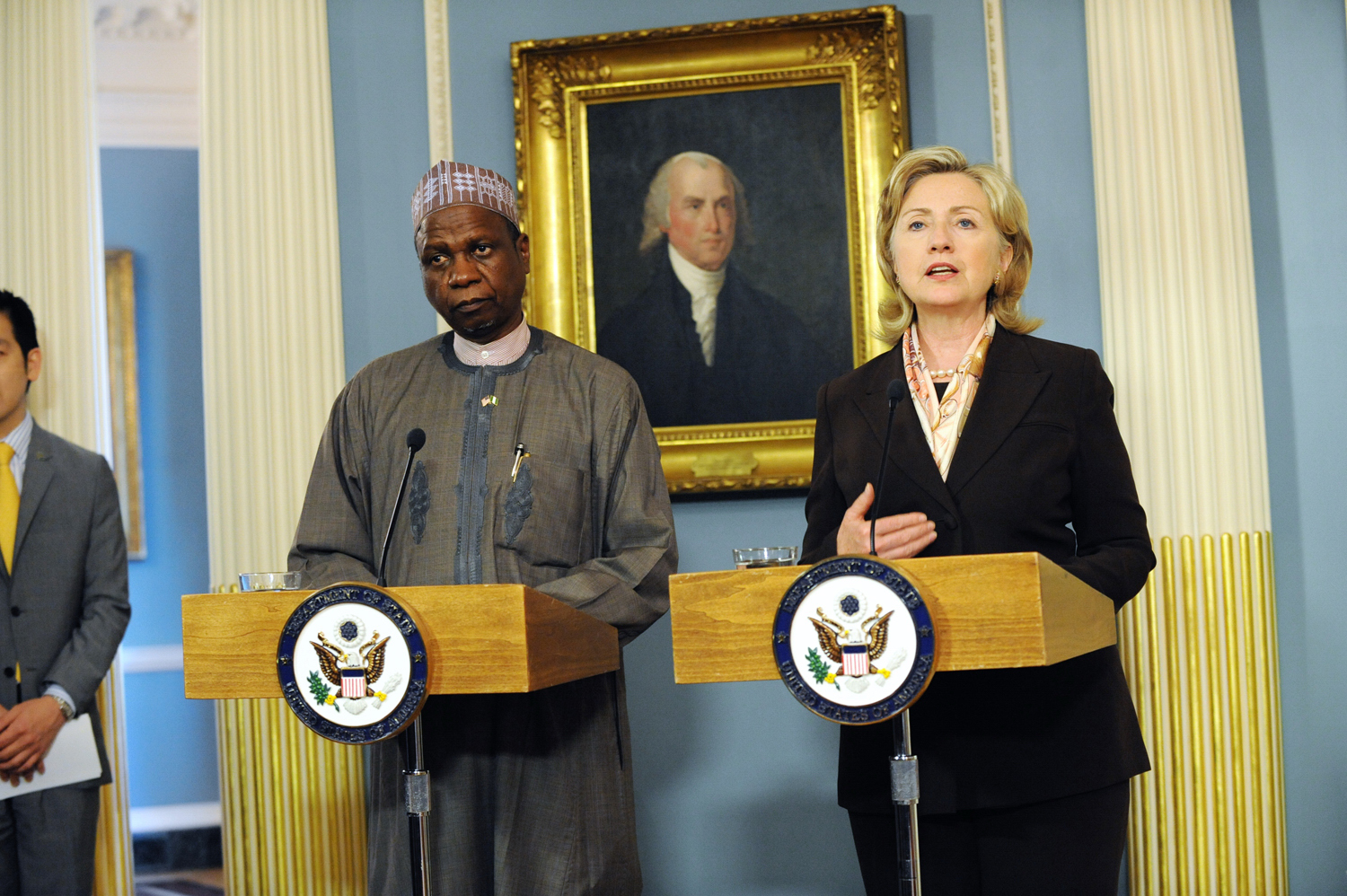
The United States has made its intentions clear: Nigeria’s 2027 elections will be under the microscope, and not just on the day of voting. Congressman Riley Moore has declared that the Trump administration will be keeping a close eye on every aspect of the electoral process. This isn’t just a diplomatic courtesy; it’s a direct message to Nigeria’s entire election machinery. Nigerias is at the center of this development.
The stakes are high. Moore has tied the credibility of Nigeria’s elections to the stability of the African continent. He has called on all stakeholders, including political parties and electoral authorities, to ensure the Nigerian people’s will is reflected at the ballot box. This broadening of U.S. scrutiny from just election day to the entire electoral cycle is significant, especially given Nigeria’s crucial role in regional stability.
Washington’s decision to intensify its watch on Nigeria’s elections comes in the backdrop of a complex relationship. Nigeria has entered a $750,000 monthly lobbying arrangement with the U.S., a move criticized as wasteful amidst ongoing concerns over governance and security. This election-monitoring message lands amidst these tensions, emphasizing the importance of transparency and fairness in the upcoming elections.
As Nigeria navigates these political waters, the world watches. The U.S. has shifted from passive observation to active scrutiny, setting the stage for what could be one of Nigeria’s most consequential elections since its return to civilian rule in 1999. The message is clear: the integrity of Nigeria’s electoral process is not just a national issue but a regional one, with implications for democracy across Africa.
” The latest reporting, published by The Guardian Nigeria on July 5, 2026, frames that statement as a warning shot aimed at Nigeria’s full election machinery, not merely a diplomatic nicety. Over roughly the past week, the reporting emphasis has shifted from general speculation about 2027 to a more concrete warning that international actors are already watching the process.
is effectively telling Abuja that the 2027 vote will be judged as a regional democratic stress test. 5 million for an initial six-month term, with an automatic renewal that could raise the total to $9 million.
The Guardian article was published on July 5, 2026, and it appears amid what it calls “increasing political activity” as major parties make “strategic calculations,” forge alliances and position presidential aspirants. The message from the latest reporting is blunt: for Washington, Nigeria’s 2027 election has already started.
” The article’s most important development is that Washington is explicitly broadening scrutiny from ballot-day observation to the whole electoral cycle, including institution-building, campaign conduct and dispute resolution, at a moment when Nigeria’s 2027 contest is already being treated as one of its most consequential elections since the 1999 return to civilian rule. A striking twist is who delivered the message and in what broader political climate.
The contract, according to the report, was linked to efforts to counter pressure in Washington over security and religious-freedom concerns. The reporting points to the next battlegrounds as electoral reform debates, INEC’s perceived independence, technology rules, campaign-finance enforcement, vote-buying prevention and security-agency conduct.
will monitor Nigeria’s 2027 elections closely, focusing on the entire electoral process, not just election day. The United States has made its intentions clear: Nigeria’s 2027 elections will be under the microscope, and not just on the day of voting.
has shifted from passive observation to active scrutiny, setting the stage for what could be one of Nigeria’s most consequential elections since its return to civilian rule in 1999. 5 million for an initial six-month term, with an automatic renewal that could raise the total to $9 million.
The scale and speed of this development has caught many observers off guard. Each new update adds another dimension to a story that is still unfolding, and the full picture will only become clear as more verified details emerge from the people and institutions directly involved.
Analysts who have tracked this issue closely say the current moment represents a genuine turning point. The decisions made in the coming weeks are expected to set the direction for months ahead, with ripple effects likely to extend well beyond the immediate actors in the story.
For those directly affected, the practical impact is already visible. People navigating this fast-changing situation are dealing with real consequences while new information continues to reshape what is known and what remains open to interpretation.
Historical parallels offer some context, though experts caution against drawing too close a comparison. Similar situations have played out before, but the specific combination of pressures, personalities, and timing here makes this moment distinct in ways that matter for how it ultimately resolves.
The political and economic dimensions of this story are deeply intertwined. What appears as a single event on the surface is in practice the convergence of multiple pressures that have been building quietly over a longer period than most public reporting has captured.