

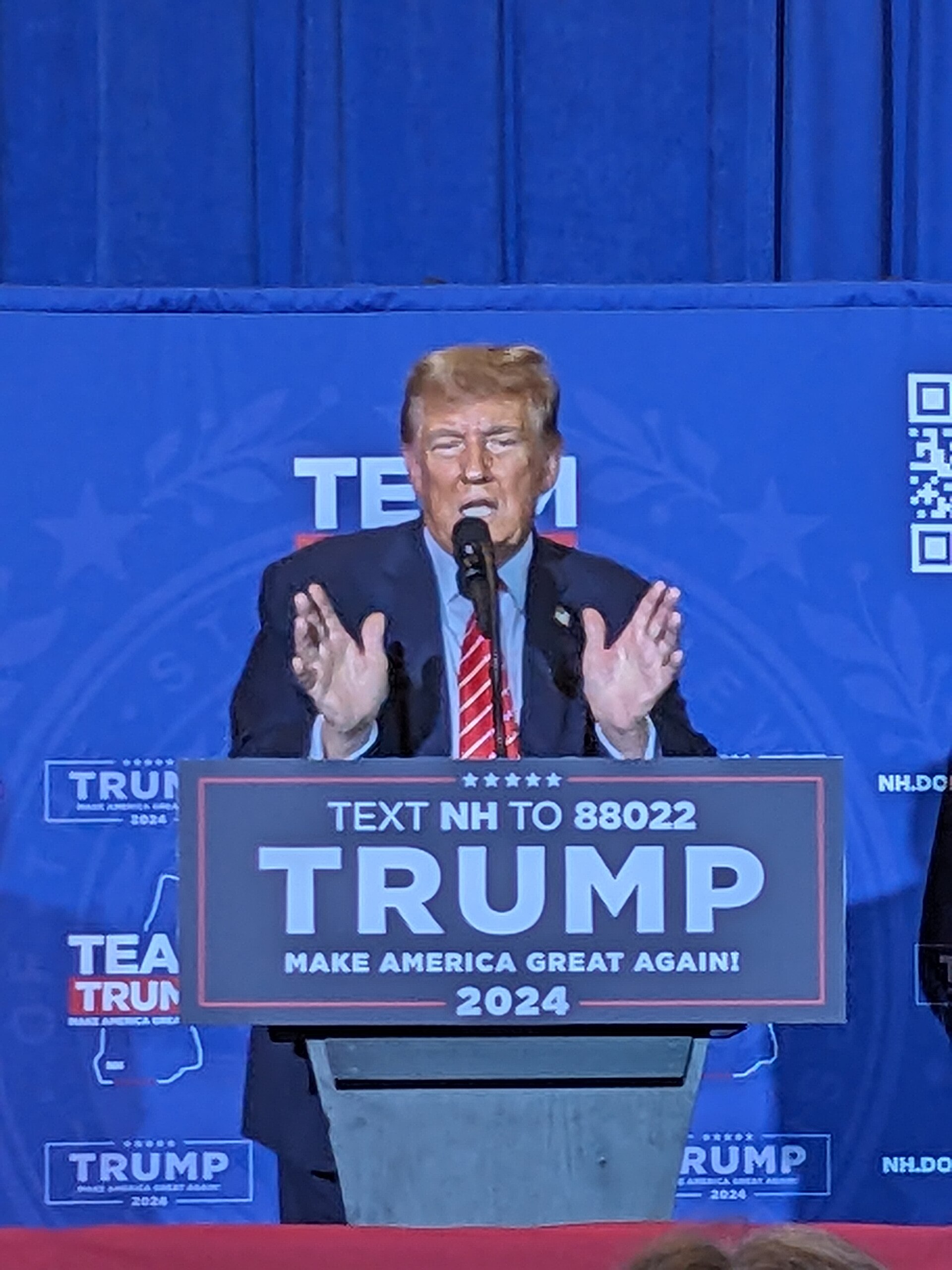

Quick Summary: Trumps Criticism of Spain at NATO Summit Sparks Diplomatic Standoff
- Trump labeled Spain a “wasted cause” at the NATO summit, prompting threats to halt trade.
- The Spanish government dismissed the threats, emphasizing a strong EU trade union.
- Spain argues its defense spending already meets NATO obligations, countering U.S. demands.
- Despite tensions, U.S. investment in Spanish assets remains robust, highlighting economic ties.
- Trump’s remarks suggest potential back-channel negotiations, adding complexity to the issue.
Source: Open external resource
Source: Read original article
In a dramatic turn at the NATO summit, Donald Trump unleashed a barrage of criticism against Spain, labeling it a “wasted cause” and threatening to sever trade ties entirely. This outburst, however, appears more theatrical than substantive, as Spain’s government remains unfazed, treating the threats as political bluster.
Spain’s response has been a masterclass in diplomatic coolness. The government emphasized its strong bilateral relationship with the U.S., underscoring the European Union’s collective trade policies that make isolating one nation difficult. Madrid remains confident, pointing to its compliance with NATO’s defense spending requirements, despite U.S. demands for increased contributions.
Interestingly, while Trump’s rhetoric suggests a potential trade embargo, U.S. investors continue to see Spain as a lucrative opportunity. BlackRock, for instance, holds significant investments in Spanish equities, signaling confidence in Spain’s economic stability. This juxtaposition highlights the complexity of the U.S.-Spain relationship, where political tensions clash with economic interests.
Trump’s sudden shift in tone, acknowledging Spain’s “generosity,” hints at possible behind-the-scenes negotiations. Whether this reflects a strategic concession or mere improvisation remains to be seen, but it adds an unpredictable layer to the unfolding drama.
As the situation develops, the key question is whether Trump’s threats will materialize into concrete actions or fade into another episode of political posturing. Spain’s measured response suggests it is prepared for either scenario, maintaining a focus on its long-term strategic interests.
The confrontation exploded on Wednesday, July 8, at the NATO summit in Ankara, when Trump called Spain “a wasted cause” and “a terrible” ally and said he had instructed Treasury Secretary Scott Bessent to stop trade with the country. 6% in volume in 2025, before this latest threat.
RTVE reported the government went further, calling the bilateral relationship “magnífica” and stressing that the European Union is a customs and trade union in which no single member state can easily be singled out. That gap between Madrid’s “enough is enough” line and Washington’s demand for 5% is the central policy fight behind the insults.
asset manager holds 104 billion euros, about $119 billion, in Spanish equities, debt, and other assets. So the immediate next test is practical: whether this becomes a legal trade action, a NATO spending bargaining chip, or another Trump threat that produces headlines but no lasting rupture.
1% would be enough to meet its obligations. The broader controversy is now about whether Trump can actually turn a NATO grievance into a Spain-only trade punishment.
That same solidarity line has circulated before in Brussels, where the formula that a threat to one member is a threat to the EU has already surfaced in response to earlier Trump pressure on Madrid. Sources in Moncloa told Spanish media they were prepared for this scenario and were responding with “calm,” while Sánchez’s office said Spain maintains an “excellent social, cultural, and economic relationship” with the United States and has no intention of seeing that change.
6% in volume in 2025, before this latest threat. RTVE reported the government went further, calling the bilateral relationship “magnífica” and stressing that the European Union is a customs and trade union in which no single member state can easily be singled out.
That gap between Madrid’s “enough is enough” line and Washington’s demand for 5% is the central policy fight behind the insults. asset manager holds 104 billion euros, about $119 billion, in Spanish equities, debt, and other assets.
So the immediate next test is practical: whether this becomes a legal trade action, a NATO spending bargaining chip, or another Trump threat that produces headlines but no lasting rupture. 1% would be enough to meet its obligations.
The Spanish government dismissed the threats, emphasizing a strong EU trade union. In a dramatic turn at the NATO summit, Donald Trump unleashed a barrage of criticism against Spain, labeling it a “wasted cause” and threatening to sever trade ties entirely.
The scale and speed of this development has caught many observers off guard. Each new update adds another dimension to a story that is still unfolding, and the full picture will only become clear as more verified details emerge from the people and institutions directly involved.
Analysts who have tracked this issue closely say the current moment represents a genuine turning point. The decisions made in the coming weeks are expected to set the direction for months ahead, with ripple effects likely to extend well beyond the immediate actors in the story.
For those directly affected, the practical impact is already visible. People navigating this fast-changing situation are dealing with real consequences while new information continues to reshape what is known and what remains open to interpretation.
Historical parallels offer some context, though experts caution against drawing too close a comparison. Similar situations have played out before, but the specific combination of pressures, personalities, and timing here makes this moment distinct in ways that matter for how it ultimately resolves.
The political and economic dimensions of this story are deeply intertwined. What appears as a single event on the surface is in practice the convergence of multiple pressures that have been building quietly over a longer period than most public reporting has captured.