

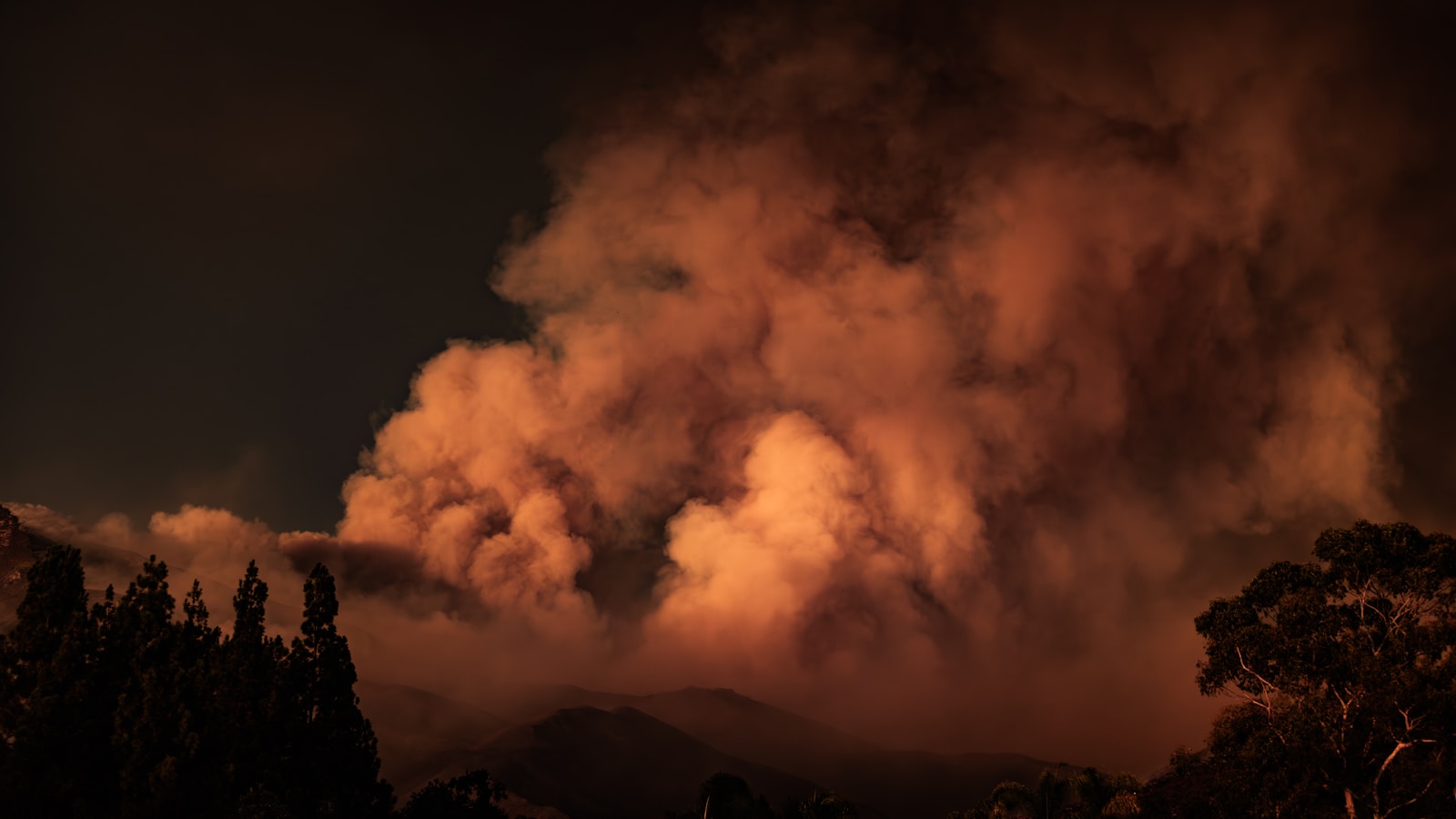

Quick Summary: DNR Issues Statewide Air Quality Alert Amid Wildfire Smoke Threat
- Wisconsin’s air-quality emergency persists, with unhealthy air expected through Thursday due to wildfire smoke.
- The Wisconsin Department of Natural Resources issued an Air Quality Alert from July 14 to July 16, impacting Madison and surrounding areas.
- Wildfire smoke is expected to affect the entire state by Thursday morning, turning a local issue into a regional concern.
- Residents in Madison reported worsening air conditions, raising uncertainty over the advisory’s timeline.
- The air-quality alert coincides with dangerous heat and humidity, increasing risks for vulnerable groups.
Source: Open external resource
Source: Read original article
Wisconsin is facing a prolonged air-quality crisis as wildfire smoke continues to blanket the state, with alerts indicating unhealthy air conditions persisting into Thursday. The Wisconsin Department of Natural Resources has issued an Air Quality Alert covering Madison and surrounding areas, extending from July 14 to July 16.
What was initially perceived as a localized issue has now expanded into a statewide concern. The smoke, originating from Canadian wildfires, is expected to affect the entire state by early Thursday morning. This development has transformed the situation from a brief haze to a multi-day public health episode.
Adding to the complexity, Madison is simultaneously dealing with oppressive heat and humidity. This overlap poses significant risks to vulnerable populations, including those with respiratory issues and outdoor workers. The situation underscores the urgent need for state officials to re-evaluate the advisory and determine if it should be extended beyond noon Thursday.
As the smoke lingers, residents are left in a state of uncertainty, questioning whether conditions will improve or deteriorate. The decisions made in the coming days will have lasting impacts, shaping how Wisconsin navigates future environmental challenges.
The timeline over the past week is compressed but important: on Tuesday, July 14, the DNR issued the advisory beginning at noon; by Wednesday, July 15, federal hazard products were warning of unhealthy air through Thursday; and by Thursday, July 16, the state forecast said smoke would likely impact the entire state by early morning. The most concrete reporting comes from official alert language tied to Madison-area forecasts, which says the Wisconsin Department of Natural Resources issued an Air Quality Alert running from noon Tuesday, July 14, until noon Thursday, July 16, covering communities including Madison, Watertown, Fort Atkinson and Jefferson.
In other words, the reporting trend over the last 48 hours has moved from advance warning to confirmation that the smoke event persisted and broadened rather than quickly clearing out. Madison television weather coverage on July 15 highlighted “Dangerous Levels of Heat & Humidity” while also warning that smoke would linger into Thursday, meaning residents were being hit by both oppressive summer heat and degraded air in the same 24-to-36-hour period.
The key institutions driving the story are the Wisconsin Department of Natural Resources and the National Weather Service forecast infrastructure carrying the alert text for south-central Wisconsin. The forecast warning is blunt that “wildfire smoke expected” will produce “unhealthy air quality through Thursday,” making the story less about a brief haze event and more about a multi-day public-health episode stretching into a second full day.
The central tension in the reporting is between the official timing of the advisory and what residents are seeing in real time. ” While that resident language is not official, it underscores the live uncertainty over whether conditions are peaking late in the advisory window rather than fading out of it.
The most important substantive revelation is how broad the smoke plume has become. The DNR’s action was to issue the statewide air-quality advisory and warn that wildfire smoke would degrade surface air, while the weather-alert system amplified the geographic scope by naming specific Wisconsin zones and cities.
Madison television weather coverage on July 15 highlighted “Dangerous Levels of Heat & Humidity” while also warning that smoke would linger into Thursday, meaning residents were being hit by both oppressive summer heat and degraded air in the same 24-to-36-hour period. Residents in Madison reported worsening air conditions, raising uncertainty over the advisory’s timeline.
The forecast warning is blunt that “wildfire smoke expected” will produce “unhealthy air quality through Thursday,” making the story less about a brief haze event and more about a multi-day public-health episode stretching into a second full day. ” While that resident language is not official, it underscores the live uncertainty over whether conditions are peaking late in the advisory window rather than fading out of it.
The air-quality alert coincides with dangerous heat and humidity, increasing risks for vulnerable groups. Wisconsin is facing a prolonged air-quality crisis as wildfire smoke continues to blanket the state, with alerts indicating unhealthy air conditions persisting into Thursday.
The smoke, originating from Canadian wildfires, is expected to affect the entire state by early Thursday morning. Adding to the complexity, Madison is simultaneously dealing with oppressive heat and humidity.
The scale and speed of this development has caught many observers off guard. Each new update adds another dimension to a story that is still unfolding, and the full picture will only become clear as more verified details emerge from the people and institutions directly involved.
Analysts who have tracked this issue closely say the current moment represents a genuine turning point. The decisions made in the coming weeks are expected to set the direction for months ahead, with ripple effects likely to extend well beyond the immediate actors in the story.
For those directly affected, the practical impact is already visible. People navigating this fast-changing situation are dealing with real consequences while new information continues to reshape what is known and what remains open to interpretation.
Historical parallels offer some context, though experts caution against drawing too close a comparison. Similar situations have played out before, but the specific combination of pressures, personalities, and timing here makes this moment distinct in ways that matter for how it ultimately resolves.
The political and economic dimensions of this story are deeply intertwined. What appears as a single event on the surface is in practice the convergence of multiple pressures that have been building quietly over a longer period than most public reporting has captured.