

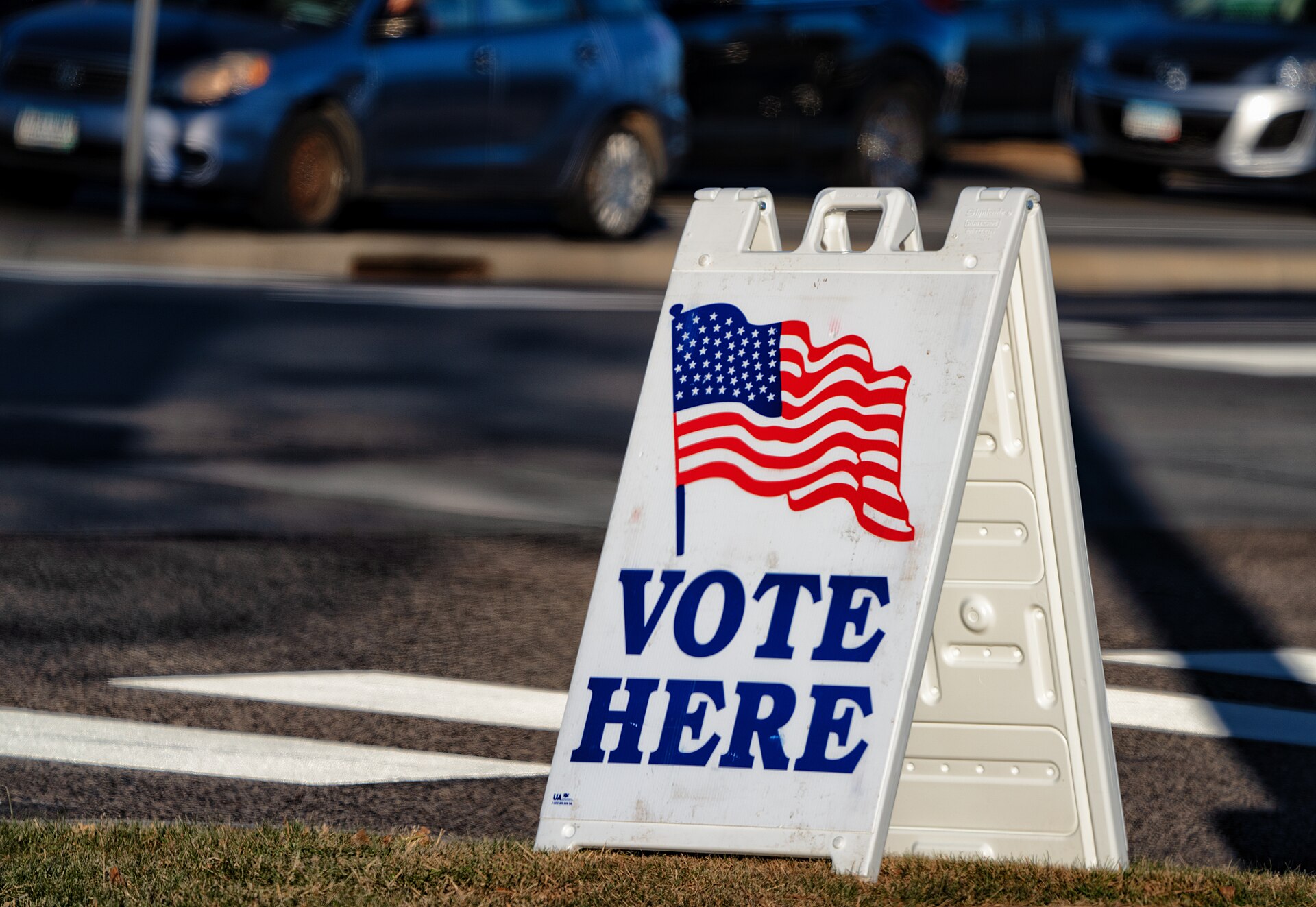

Quick Summary: Independents Marginalized as Oklahoma Faces Election System Criticism
- Oklahoma’s June 16 primary saw only 26% voter turnout, signaling a worrying trend for democracy.
- Analysts predict even lower participation for the August 25 runoff, raising alarms about civic engagement.
- The closed-primary system leaves independents with minimal influence, exacerbating voter disengagement.
- Reform advocates argue that Oklahoma’s election system is broken, as many voters are excluded from critical elections.
- Absentee and early voting numbers indicate a continued decline in voter participation.
Source: Open external resource
Source: Read original article
Oklahoma’s democracy is on shaky ground, with voter turnout plummeting to alarming lows. During the June 16 primary, a mere 26% of registered voters cast their ballots, and the outlook for the upcoming August 25 runoff is even bleaker. This isn’t just a call for civic participation—it’s a dire warning for the state’s democratic health. System is at the center of this development.
The closed-primary system is a significant barrier, leaving independents with little reason to engage. Political scientist Seth McKee highlights the ‘heroic’ efforts of those who do participate, yet the system seems designed to keep many out. Reform advocates like Margaret Kobos argue that Oklahoma’s election framework is fundamentally flawed, disenfranchising voters who still foot the bill through taxes.
With absentee and early voting figures showing a continued decline, the August 25 runoff becomes a critical test. The question isn’t just about voter apathy—it’s about who gets to be part of the electorate. The exclusion of independents in a Republican-leaning state raises questions about the fairness and inclusivity of the process.
As the state heads into the runoff, the stakes couldn’t be higher. The turnout numbers will not only reflect voter engagement but also fuel ongoing debates about necessary electoral reforms. If participation falls further, it will serve as concrete evidence that Oklahoma’s democracy is in urgent need of repair.
Oklahoma Voice reported that just over 26% of registered voters cast ballots in June, while slightly under 674,600 votes were recorded statewide. The most important current development is that Oklahoma’s June 16 primary drew only about 26% turnout, and election analysts now expect the August 25 runoff to be even lower, a trend that turns any call for broader civic participation into an immediate warning rather than a feel-good civics slogan.
The Oklahoma State Election Board posted runoff absentee updates on August 21 and August 22 for the August 25, 2026 primary runoff, along with in-person absentee reports covering August 20 through August 22. Oklahoma Voice reported that this was the first such primary in years without Democratic access for unaffiliated voters, and McKee suggested that fact likely depressed turnout further.
If turnout falls well below 26%, the strongest new takeaway from this week’s reporting will be that the state’s democracy debate has moved from theory to evidence. The freshest reporting tied to that Enid News-style democracy-participation argument is not a new bombshell from Enid itself, but a sharp new Oklahoma election reality: turnout is collapsing again just as voters head into the August 25, 2026 runoff, with state and local reporting showing participation may fall even below the already weak June primary.
Political scientist Seth McKee said the closed-primary structure left independents with “almost no incentive,” yet he still called their participation “heroic,” underscoring how unusually disengaged the electorate has become. 4 million registered voters, Democrats roughly one-quarter, and independents about one-fifth, so barring unaffiliated voters from most contests is not a technical detail but a major structural choice affecting hundreds of thousands of people.
Public Radio Tulsa separately reported that nearly 19,500 ballots were cast on the second day of June’s early-voting window, showing that when voters do engage, they often do so before Election Day, but that bump was nowhere near enough to overcome the broader turnout slide. The board has not framed those figures politically, but the timing matters: those reports are the clearest official sign that the runoff is underway, and they set up Tuesday, August 25, as the next immediate test of whether campaigns can pull even a small slice of disengaged voters back into the process.
Oklahoma Voice reported that just over 26% of registered voters cast ballots in June, while slightly under 674,600 votes were recorded statewide. Political scientist Seth McKee highlights the ‘heroic’ efforts of those who do participate, yet the system seems designed to keep many out.
The most important current development is that Oklahoma’s June 16 primary drew only about 26% turnout, and election analysts now expect the August 25 runoff to be even lower, a trend that turns any call for broader civic participation into an immediate warning rather than a feel-good civics slogan. com Oklahoma’s June 16 primary saw only 26% voter turnout, signaling a worrying trend for democracy.
During the June 16 primary, a mere 26% of registered voters cast their ballots, and the outlook for the upcoming August 25 runoff is even bleaker. If turnout falls well below 26%, the strongest new takeaway from this week’s reporting will be that the state’s democracy debate has moved from theory to evidence.
The freshest reporting tied to that Enid News-style democracy-participation argument is not a new bombshell from Enid itself, but a sharp new Oklahoma election reality: turnout is collapsing again just as voters head into the August 25, 2026 runoff, with state and local reporting showing participation may fall even below the already weak June primary. Political scientist Seth McKee said the closed-primary structure left independents with “almost no incentive,” yet he still called their participation “heroic,” underscoring how unusually disengaged the electorate has become.
4 million registered voters, Democrats roughly one-quarter, and independents about one-fifth, so barring unaffiliated voters from most contests is not a technical detail but a major structural choice affecting hundreds of thousands of people. Public Radio Tulsa separately reported that nearly 19,500 ballots were cast on the second day of June’s early-voting window, showing that when voters do engage, they often do so before Election Day, but that bump was nowhere near enough to overcome the broader turnout slide.
The scale and speed of this development has caught many observers off guard. Each new update adds another dimension to a story that is still unfolding, and the full picture will only become clear as more verified details emerge from the people and institutions directly involved.
Analysts who have tracked this issue closely say the current moment represents a genuine turning point. The decisions made in the coming weeks are expected to set the direction for months ahead, with ripple effects likely to extend well beyond the immediate actors in the story.
For those directly affected, the practical impact is already visible. People navigating this fast-changing situation are dealing with real consequences while new information continues to reshape what is known and what remains open to interpretation.
Historical parallels offer some context, though experts caution against drawing too close a comparison. Similar situations have played out before, but the specific combination of pressures, personalities, and timing here makes this moment distinct in ways that matter for how it ultimately resolves.
The political and economic dimensions of this story are deeply intertwined. What appears as a single event on the surface is in practice the convergence of multiple pressures that have been building quietly over a longer period than most public reporting has captured.