


Quick Summary: Federal Agencies Scramble as Supreme Court Allows Mail
- In 2023, the Supreme Court ruled that state legislatures do not have unchecked authority over elections, challenging the notion of independent legislative control.
- On August 24, 2026, the Court allowed President Trump’s executive order on mail-in voting to proceed, escalating the federal versus state control debate.
- AP reported that nearly one-third of the U.S. uses voting methods affected by the Court’s order, creating uncertainty for upcoming elections.
- Judges Indira Talwani and Denise Casper previously blocked similar presidential election-power claims, emphasizing limits on executive authority.
- The decision has sparked confusion and potential disenfranchisement, as federal agencies were preparing for enforcement before the Court’s intervention.
Source: Open external resource
Source: Read original article
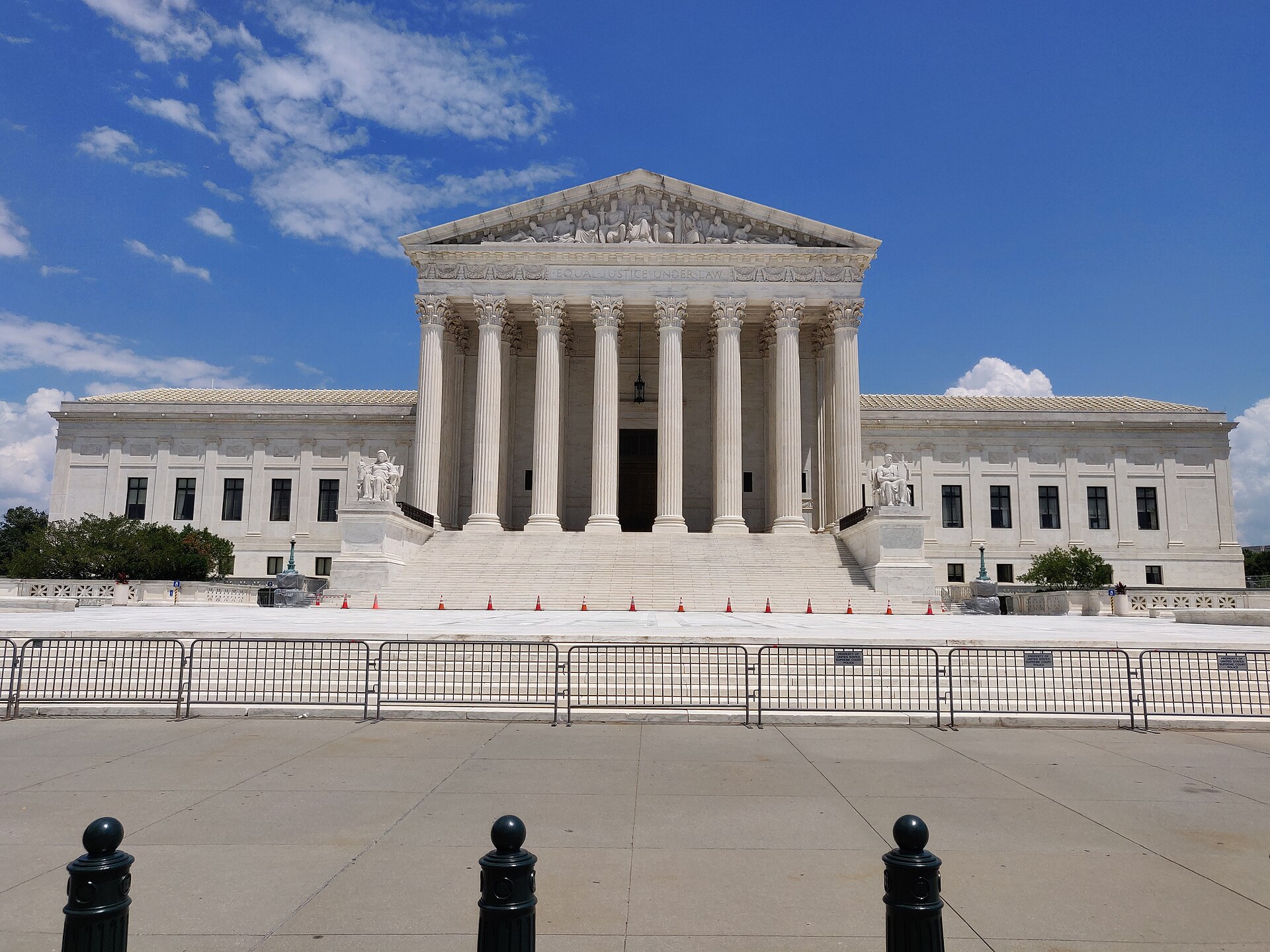
The Supreme Court’s recent decision to allow President Trump’s executive order on mail-in voting has reignited the contentious debate over who truly controls elections in the United States. By clearing the way for the order’s implementation, the Court has positioned itself at the center of a legal and constitutional battle that threatens to disrupt the electoral process just weeks before ballots are due to be sent out.
This ruling comes despite the Court’s previous stance in 2023, where it rejected the idea that state legislatures have unchecked authority over federal elections. Chief Justice John Roberts had emphasized that the Elections Clause does not grant exclusive power to legislatures, a position that now seems to be challenged by the executive branch’s attempt to exert control over state-run elections.
The implications of this decision are far-reaching. Nearly a third of the country employs voting methods now thrown into doubt, leading to potential chaos and disenfranchisement. Judges like Indira Talwani and Denise Casper have been vocal in their opposition to similar executive overreach, underscoring the constitutional limits of presidential power in election matters.
As states scramble to respond, the legal and logistical challenges are mounting. The next few weeks will likely see a flurry of emergency court actions and administrative decisions, as election officials grapple with the possibility of implementing new rules at the eleventh hour. The stakes are high, and the path forward remains uncertain.
In 2023, the Court rejected the claim that state legislatures have unchecked authority over federal elections, with Chief Justice John Roberts writing that the Elections Clause does not give legislatures “exclusive and independent authority” free from normal state-law constraints. A Massachusetts federal judge had previously blocked major parts of the plan in a 37-page opinion, writing flatly that “The Constitution does not grant the President any specific powers over elections,” and another ruling described the administration’s attempt to have USPS decide who can receive a mail ballot as “legally void” because it violated separation of powers.
On Monday, August 24, 2026, the Supreme Court cleared the way for implementation in an unsigned order. The core conflict is whether a president can use executive power, the Postal Service and federal data systems to dictate rules that states have traditionally administered themselves.
The biggest new development is that the Supreme Court this week cleared the way, at least for now, for President Donald Trump to enforce his executive order restricting mail-in voting, reviving exactly the fight over who controls elections that the New York Daily News editorial warned about and jolting states just weeks before overseas and military ballots begin going out. AP reported that nearly one-third of the country uses voting methods now thrown into doubt by the court’s order, even if no immediate procedures change this week.
, and judges including Indira Talwani and Denise Casper, who had previously rejected similar presidential election-power claims. That means the controversy is no longer theoretical: federal agencies were actively preparing mechanics for enforcement before the Court stepped in, which is why election administrators are warning of confusion and possible disenfranchisement rather than merely abstract constitutional harm.
Talwani’s June ruling blocked central provisions tied to mail voting and federal voter-list checks; Casper separately permanently blocked another Trump voting order requiring proof of citizenship to register and demanding ballots be received by Election Day. Those lower-court judges were emphatic that Article II’s executive power does not give the president election-specific authority.
On August 24, 2026, the Court allowed President Trump’s executive order on mail-in voting to proceed, escalating the federal versus state control debate. On Monday, August 24, 2026, the Supreme Court cleared the way for implementation in an unsigned order.
, and judges including Indira Talwani and Denise Casper, who had previously rejected similar presidential election-power claims. The Supreme Court’s recent decision to allow President Trump’s executive order on mail-in voting has reignited the contentious debate over who truly controls elections in the United States.
That means the controversy is no longer theoretical: federal agencies were actively preparing mechanics for enforcement before the Court stepped in, which is why election administrators are warning of confusion and possible disenfranchisement rather than merely abstract constitutional harm. Talwani’s June ruling blocked central provisions tied to mail voting and federal voter-list checks; Casper separately permanently blocked another Trump voting order requiring proof of citizenship to register and demanding ballots be received by Election Day.
The scale and speed of this development has caught many observers off guard. Each new update adds another dimension to a story that is still unfolding, and the full picture will only become clear as more verified details emerge from the people and institutions directly involved.
Analysts who have tracked this issue closely say the current moment represents a genuine turning point. The decisions made in the coming weeks are expected to set the direction for months ahead, with ripple effects likely to extend well beyond the immediate actors in the story.
For those directly affected, the practical impact is already visible. People navigating this fast-changing situation are dealing with real consequences while new information continues to reshape what is known and what remains open to interpretation.
Historical parallels offer some context, though experts caution against drawing too close a comparison. Similar situations have played out before, but the specific combination of pressures, personalities, and timing here makes this moment distinct in ways that matter for how it ultimately resolves.
The political and economic dimensions of this story are deeply intertwined. What appears as a single event on the surface is in practice the convergence of multiple pressures that have been building quietly over a longer period than most public reporting has captured.