

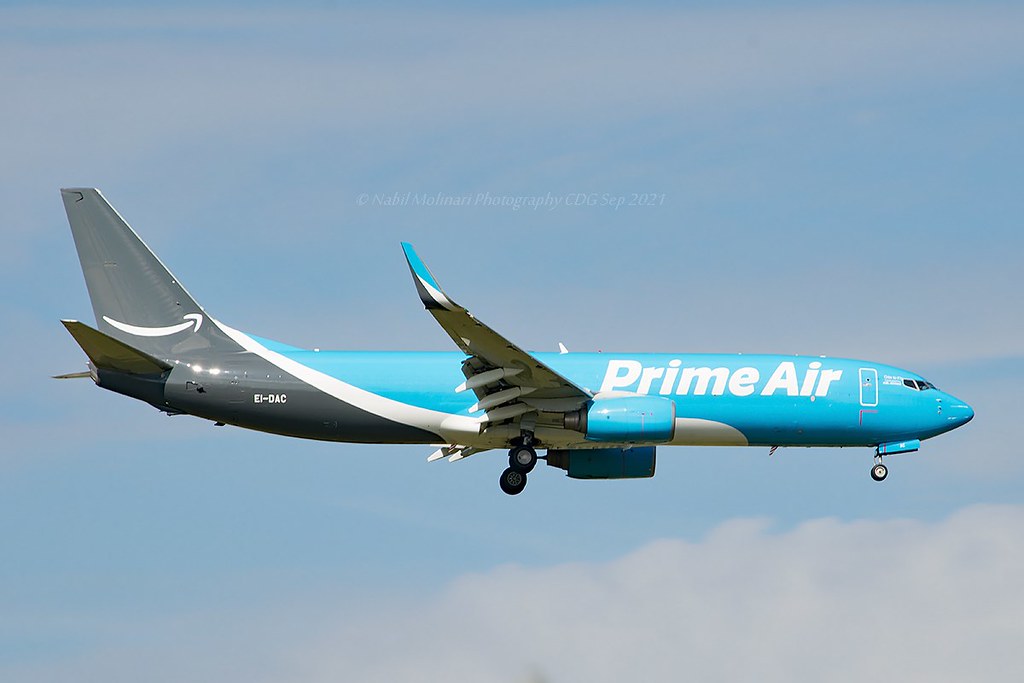

Quick Summary: Fatal Miami Crash Raises Questions on Airport Safety Standards
- Miami-Dade Fire Rescue responded with over 60 units after a cargo plane hit vehicles near Northwest 42nd Avenue.
- On September 6, a Boeing 767-300F from San Juan overran the runway at Miami International Airport, causing a fiery crash.
- Authorities confirmed 5 fatalities and 5 injuries by Sunday evening, with the human toll affecting both air and ground.
- Federal investigators, including the FAA and NTSB, have begun probing the crash’s causes by early Monday.
- Miami-Dade officials reported 3 critically injured and 2 with less severe injuries, highlighting ground-level impact.
Source: Open external resource
Source: Read original article
The tragic crash of Amazon’s Prime Air Flight 7598 at Miami International Airport has left a community grappling with loss and urgent questions of safety. This isn’t just another aviation mishap; it’s a glaring spotlight on potential infrastructure failures at one of the nation’s busiest airports.
On September 6, the Boeing 767-300F overran the runway, crossed a road, and burst into flames, killing 5 and injuring 5 more. The crash site, near the airport’s warehouse district, turned into a chaotic scene as Miami-Dade Fire Rescue deployed over 60 units to manage the disaster. The absence of an overrun barrier, a safety feature present at over 120 other U.S. airports, is now under scrutiny.
As federal investigators from the FAA and NTSB dig into the wreckage, the focus shifts to understanding what went wrong. Was it pilot error, a mechanical failure, or a glaring lack of safety infrastructure? The answers will not only determine accountability but could reshape national aviation safety policies.
Amazon and 21 Air, the plane’s operator, face intense scrutiny as the investigation unfolds. The absence of a runway arresting system at Miami International is a critical point of interest, potentially turning this local tragedy into a national conversation about airport safety standards.
As the investigation continues, the aviation community and the public await answers. The outcome could lead to significant changes in how airports across the country handle runway safety, potentially preventing future tragedies.
Miami-Dade Fire Rescue said the aircraft hit several vehicles near the 2100 block of Northwest 42nd Avenue and deployed more than 60 units. The biggest new development is that federal investigators on Monday, September 7, 2026, shifted the story from a breaking crash to a safety and accountability fight by zeroing in on why Amazon-linked Flight 7598 ran off Miami International Airport’s Runway 30 and whether the airport lacked a last-resort overrun barrier that might have reduced the toll.
on Sunday, September 6, when a Boeing 767-300F flying as Prime Air Flight 7598 from San Juan, Puerto Rico, overran the runway at Miami International Airport, crossed a road near the airport’s warehouse district, struck multiple vehicles and burst into flames. By Sunday evening, county officials had confirmed 5 deaths and 5 injuries.
By early Monday, September 7, the FAA and NTSB had both formally moved into investigative mode, with AP reporting that federal investigators were detailing how they will determine what went wrong. Authorities said at least 5 people were killed and 5 were injured.
Miami-Dade officials said 3 of the injured were in critical condition and 2 were hospitalized with less severe injuries, underscoring that the human toll was concentrated not just on the aircraft but also among people on the ground. What makes the latest reporting stand out is the emerging infrastructure question: AP reported that Miami International is not equipped with arresting systems that the FAA says have been installed at more than 120 airports nationwide to stop planes that go past the end of a runway.
Early official briefings made clear that investigators did not yet know whether the pilots survived or whether all 5 people killed were in the vehicles struck after the aircraft left the runway. That does not establish causation, and investigators have not said the absence of such a system caused the deaths, but it immediately turns the story into more than a pilot-error inquiry.
Miami-Dade Fire Rescue said the aircraft hit several vehicles near the 2100 block of Northwest 42nd Avenue and deployed more than 60 units. Quick Summary: Five dead, five injured after Amazon cargo plane overshoots Miami runway – ABS-CBN Miami-Dade Fire Rescue responded with over 60 units after a cargo plane hit vehicles near Northwest 42nd Avenue.
The tragic crash of Amazon’s Prime Air Flight 7598 at Miami International Airport has left a community grappling with loss and urgent questions of safety. Miami-Dade officials reported 3 critically injured and 2 with less severe injuries, highlighting ground-level impact.
Federal investigators, including the FAA and NTSB, have begun probing the crash’s causes by early Monday. That does not establish causation, and investigators have not said the absence of such a system caused the deaths, but it immediately turns the story into more than a pilot-error inquiry.
The scale and speed of this development has caught many observers off guard. Each new update adds another dimension to a story that is still unfolding, and the full picture will only become clear as more verified details emerge from the people and institutions directly involved.
Analysts who have tracked this issue closely say the current moment represents a genuine turning point. The decisions made in the coming weeks are expected to set the direction for months ahead, with ripple effects likely to extend well beyond the immediate actors in the story.
For those directly affected, the practical impact is already visible. People navigating this fast-changing situation are dealing with real consequences while new information continues to reshape what is known and what remains open to interpretation.
Historical parallels offer some context, though experts caution against drawing too close a comparison. Similar situations have played out before, but the specific combination of pressures, personalities, and timing here makes this moment distinct in ways that matter for how it ultimately resolves.
The political and economic dimensions of this story are deeply intertwined. What appears as a single event on the surface is in practice the convergence of multiple pressures that have been building quietly over a longer period than most public reporting has captured.